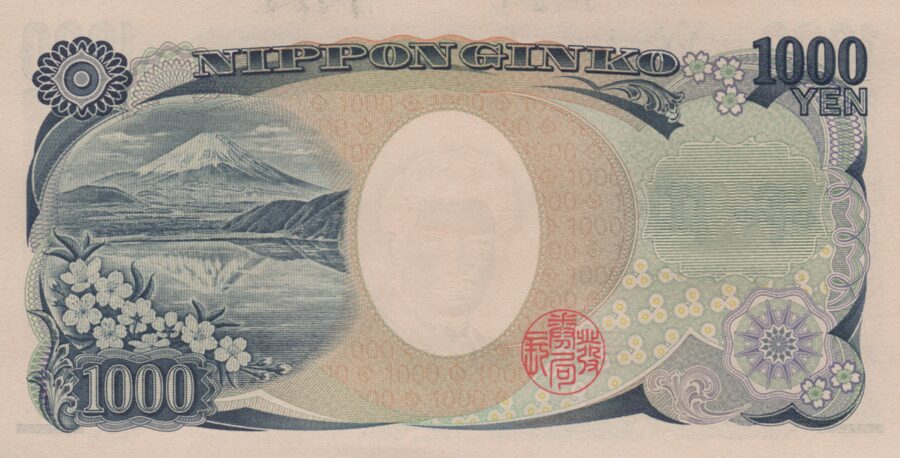
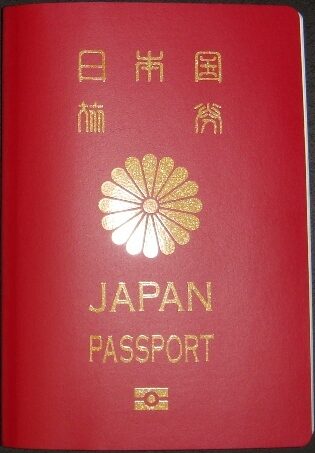
Turn over a 1,000-yen note and the top line reads NIPPON GINKO. Ask someone in Tokyo what the bank is called and you will probably hear Nihon (日本) Ginkō. Then open a Japanese passport, and the cover says JAPAN. Three names, one country, and only two characters behind all of them: 日本.
Those two characters are a short sentence. 日 is the sun and 本 is a root, the place a thing grows from, so the name says “the sun’s origin”. It is a name with a point of view, and the point of view is not quite Japan’s own.
In this article
日 and 本: a sun and a root
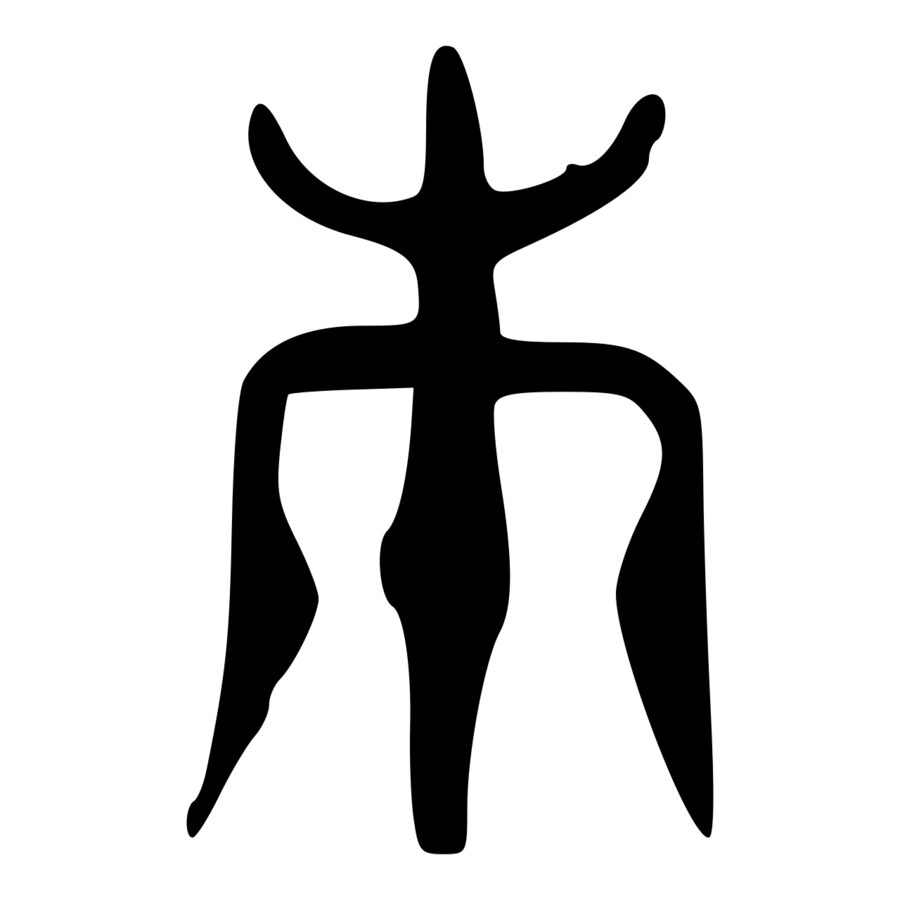
日 began as a picture. On Shang oracle bones, more than three thousand years ago, it is a circle or a rounded square with a mark inside, the mark that separates the sun from a plain ring. Brushes squared the circle and stood it upright, and the mark became the bar across the middle. It has four strokes and is taught in grade 1, one of the first 80 kyōiku kanji a child learns.

The character means both the sun and the day the sun makes, which is why it ends every weekday: 月曜日, getsuyōbi, Monday, is “moon day”. Its Chinese-derived reading is nichi. Put it in front of hon and the -chi either falls away, giving Nihon, or doubles the next sound, giving Nippon.
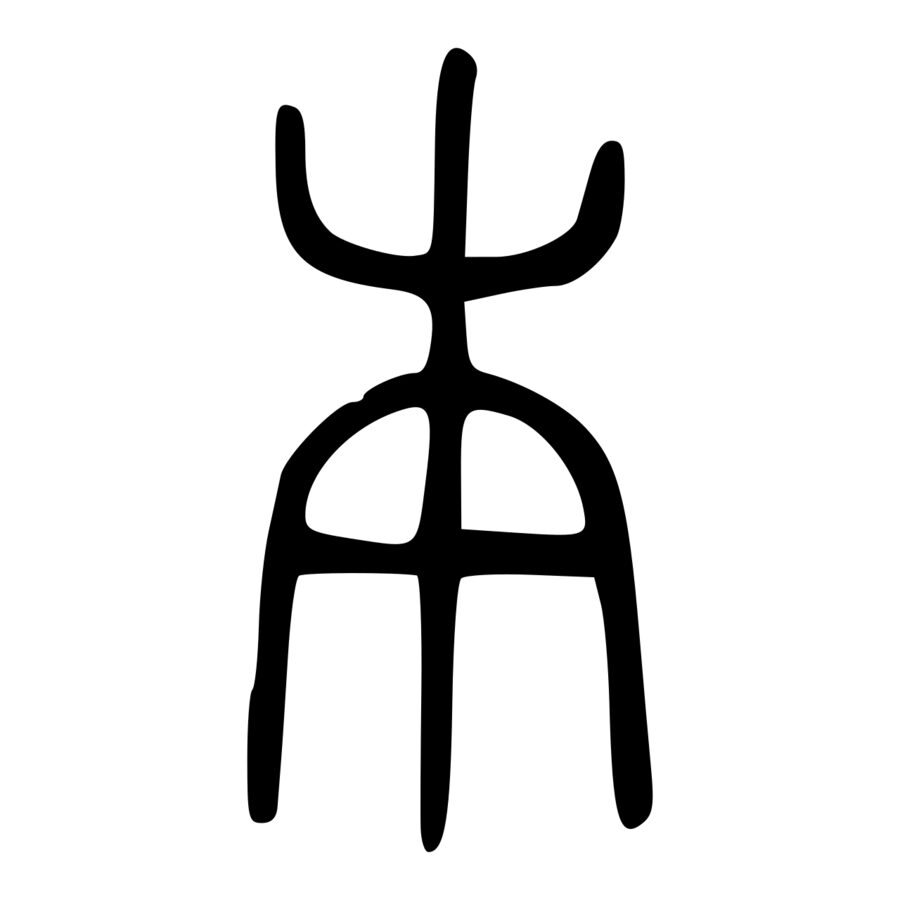
本 is a tree with a mark on it. Take 木, the tree, add a short stroke low on the trunk, and you are pointing at the roots. The oldest Chinese character dictionary, the Shuowen jiezi (説文解字) of about 100 CE, says it in four characters: the bottom of a tree is called 本. Five strokes, grade 1.
From “root” the character spread to anything that is a source, and to the book, the original text that copies are made from. Learners meet 本 first as “book”, and many have wondered why Japan is “day book”. The better joke is a homophone: 二本, two long thin things, is also read nihon, so “Japan” and “two bottles” sound exactly alike.
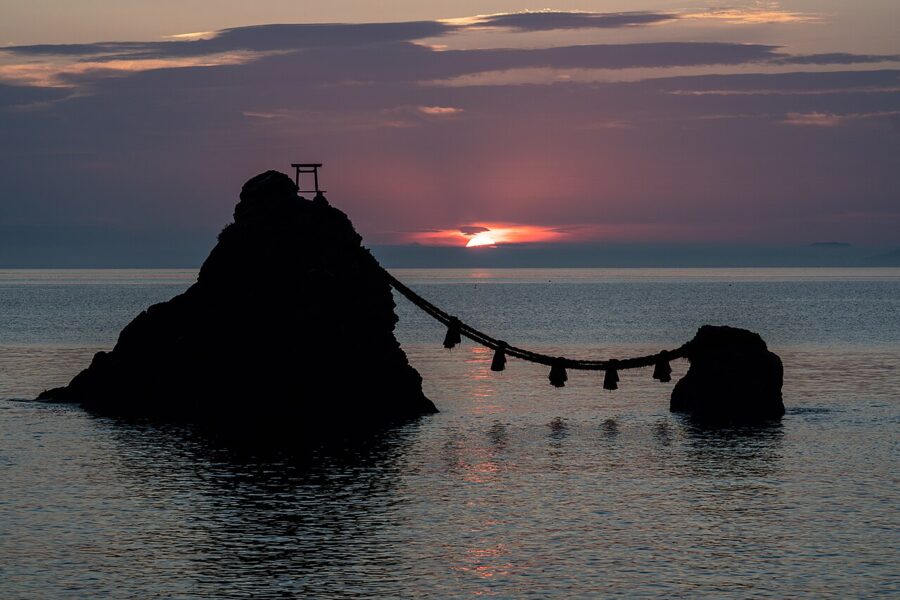
So 日本 is “the sun’s root”, where the sun comes from, which English turned into “the Land of the Rising Sun”. Nobody in Japan sees the sun rise out of Japan; it rises out of the Pacific. To watch it come up over Japan you have to stand to the west, in Korea or China, and that is where the name was aimed.
The red disc of the flag, the Hinomaru (日の丸), “the sun’s circle”, draws the same idea, the best known of the Japanese symbols. There is also a native reading of the name, Hinomoto (日の本), “the sun’s origin” in old Japanese words. In the eighth-century Man’yōshū (万葉集), nine centuries before the first haiku, it is only an ornament in front of Yamato; it stands alone as a name for the country from the Heian period on.
From Wa to 日本
Before it was 日本, the country was 倭, Wa. The Book of Han, written in the first century CE, records that “in the sea beyond Lelang live the people of Wa, divided into more than a hundred countries”. The five kings who sent envoys to southern China in the fifth century still styled themselves kings of Wa.
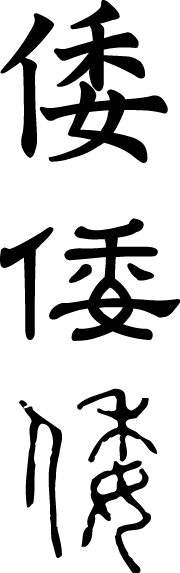
Wa was probably the sound of a name, and the character chosen to spell it was not flattering. The Shuowen jiezi glosses 倭 as “the look of submission”, and later readers took it as “dwarfish”. Japanese scribes eventually swapped it for the homophone 和, harmony, and wrote the central kingdom as 大和, still read Yamato.
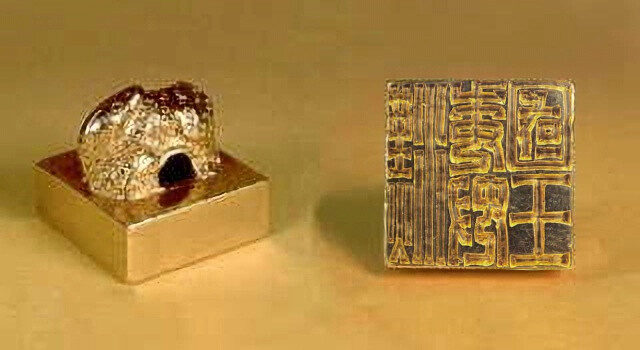
The first sign of change is a letter. In 607 the ruler of Wa sent an envoy to the Sui court, and the official Sui history copied out its opening: “The Son of Heaven where the sun rises sends a letter to the Son of Heaven where the sun sets. Are you well?” The Book of Sui’s chapter on Wa adds that Emperor Yang was displeased and told his officials not to show him such rude barbarian letters again.
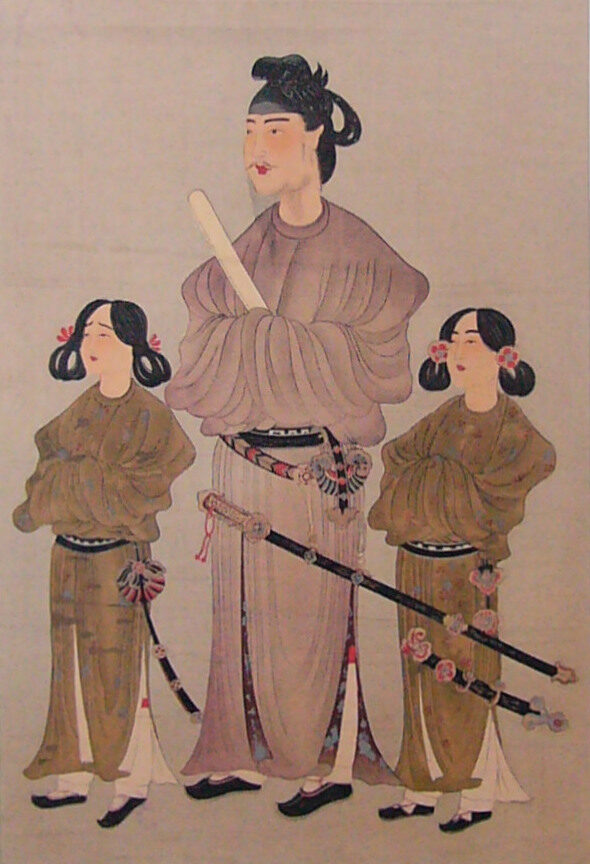
The Nihon Shoki (日本書紀), Japan’s own chronicle, names the envoy as Ono no Imoko. “Where the sun rises” is often called the seed of 日本, and it may be. The same pair of phrases also appears in the Buddhist treatise Dazhidu lun (大智度論) as plain words for east and west, so some historians read the letter as a learned flourish. Either way, the court had stopped calling itself Wa.
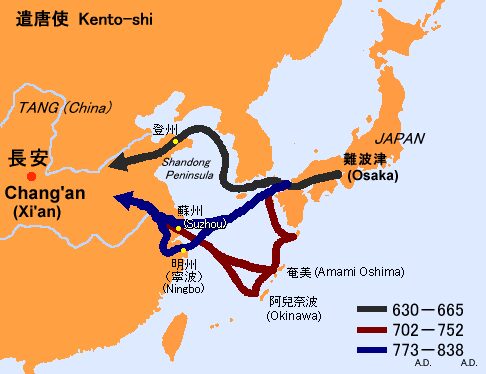
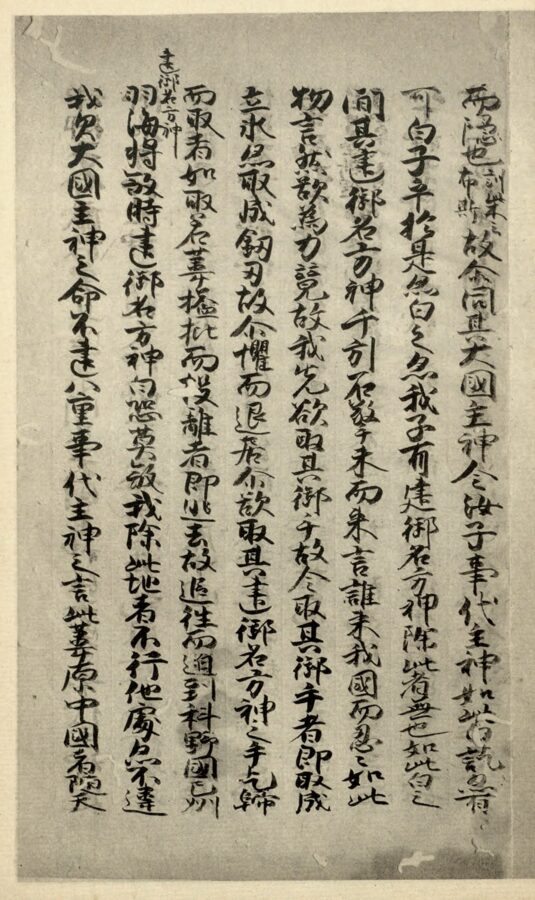
The first firm date comes a century later. The Shoku Nihongi (続日本紀), the chronicle that continues the Nihon Shoki, records that the envoys who sailed in 702 were received in China as coming from “Great Wa” and corrected their hosts: they came from 日本国, the country of Nihon. The legal code of 701 had already fixed the phrase “the emperor of Nihon” for edicts to foreign envoys. Whether the name was settled there or a little earlier, under Emperor Tenmu in the 670s and 680s, is still argued.
China took note in more than one version. The Old Book of Tang gives Japan two entries, one for Wa and one for 日本, and offers three explanations side by side.
| Source | Compiled | What it says about the name |
|---|---|---|
| Book of Sui (隋書) | 636 | The king of Wa’s letter of 607 calls him “the Son of Heaven where the sun rises”. |
| Old Book of Tang (舊唐書) | 945 | “Because the country lies at the edge of the sun, it took 日本 as its name.” Or Wa disliked its name as inelegant and changed it. Or Nihon was a small country that absorbed Wa. The envoys “did not answer truthfully, so China doubted them.” |
| New Book of Tang (新唐書) | 1060 | After an embassy of 670, the Wa “learned some Chinese, disliked the name Wa and changed it to 日本”; the envoy said the country was near where the sun comes out. |
The Old Book of Tang also describes the envoy of 702, Awata no Mahito, feasted by Empress Wu Zetian in 703: a reader of the classics who wrote well and carried himself with grace. The New Book of Tang adds the date 670. Both read like Chinese editors making sense of a change the visitors explained in their own favour.
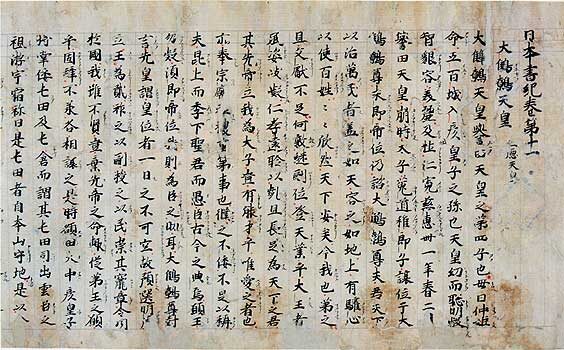
An epitaph found in 2011, carved around 678 for Yegun, a Baekje-born official of the Tang, contains 日本, though it may mean only “the far east”. The standard dictionary entries for 日本 keep to safe ground: the name came into use in the late seventh century, was known abroad by the early eighth, and has no recorded birthday.
Nihon or Nippon: two readings, both correct
Nobody knows how the envoys of 702 said 日本 aloud. In the Chinese of the time it was something like nyit-pwon, and at home the characters were at first read Yamato. Old Japanese also had no h: the sound written は today was once a p, then an f. Nippon keeps the older sound behind its doubled consonant, and Nihon is the softened form.
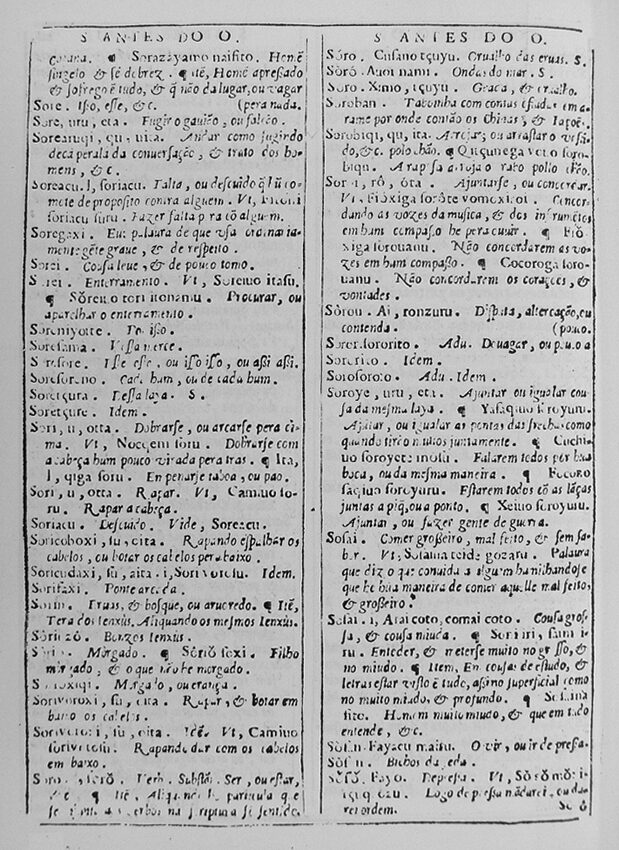
By the 1590s both were in use. The Jesuits who compiled Japanese dictionaries heard Nifon, with the f still in it, as well as Nippon and a rarer Jippon. In their examples Nippon is the formal, emphatic word and Nifon the everyday one, a split that has lasted four hundred years.
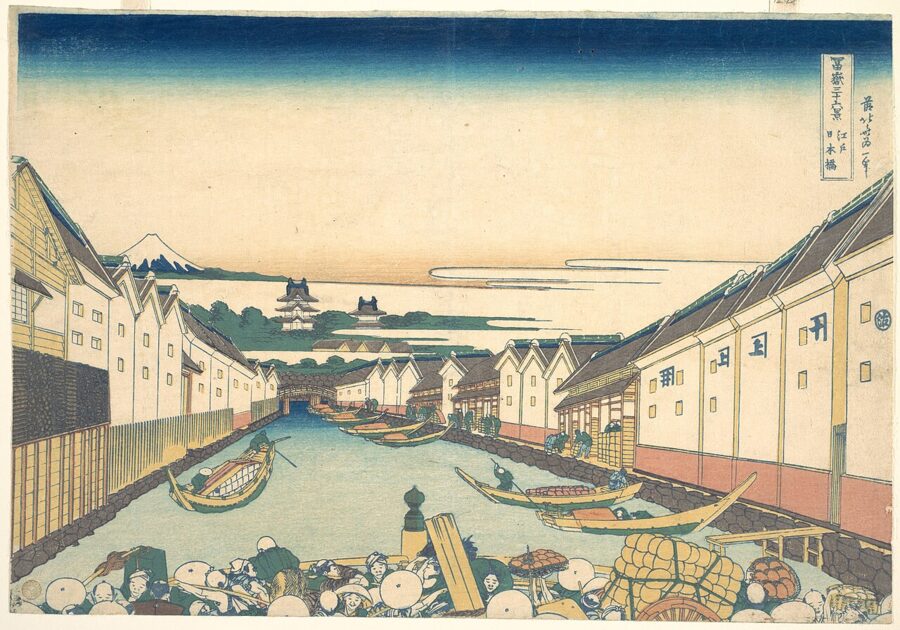
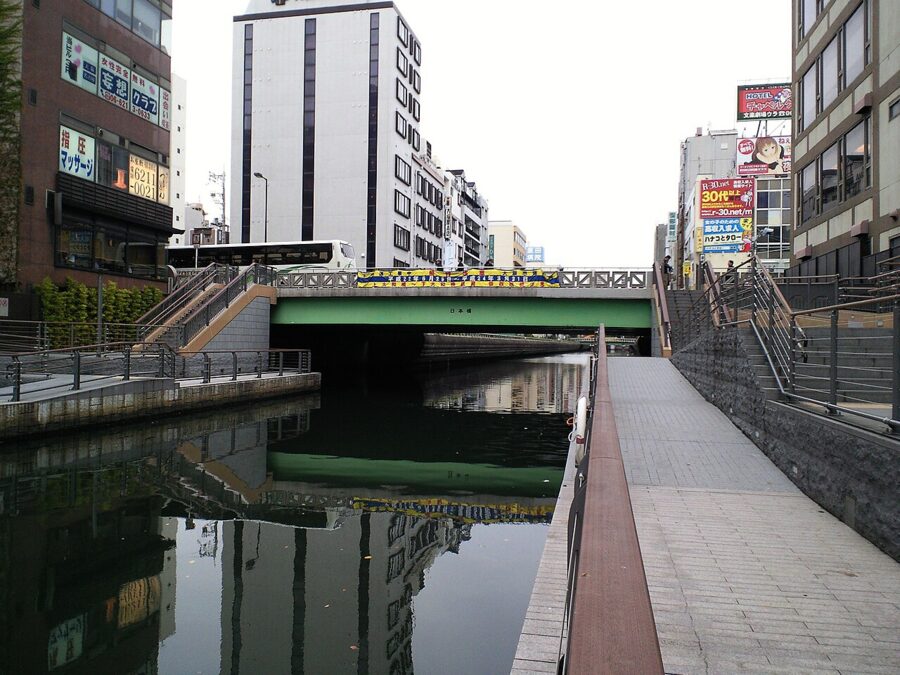
The softer form is said to have spread in Edo, and the map still divides along that line. Tokyo’s great bridge is 日本橋, Nihonbashi; Osaka’s is the same three characters read Nipponbashi.
Twentieth-century governments tried to choose. In 1934 a Ministry of Education language committee voted for Nippon as the official reading, and for Nippon in place of Japan abroad; it never became law. In 1946, asked how the new constitution’s 日本国 should be read, the minister in charge, Kanamori Tokujirō, told the Diet it had not been decided. The wartime push for Nippon left the word sounding martial for a generation.
The question came back in 2009. Tetsundo Iwakuni, a member of the lower house, asked the cabinet in writing whether a 1970 cabinet decision in favour of Nippon still stood. The written answer, sent by Prime Minister Taro Aso on 30 June 2009, is three lines long. There had been no such decision, and since “both Nippon and Nihon are in wide use”, there was no need to settle on either.
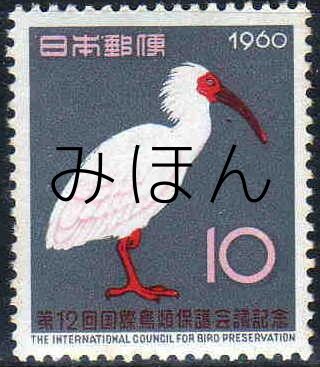
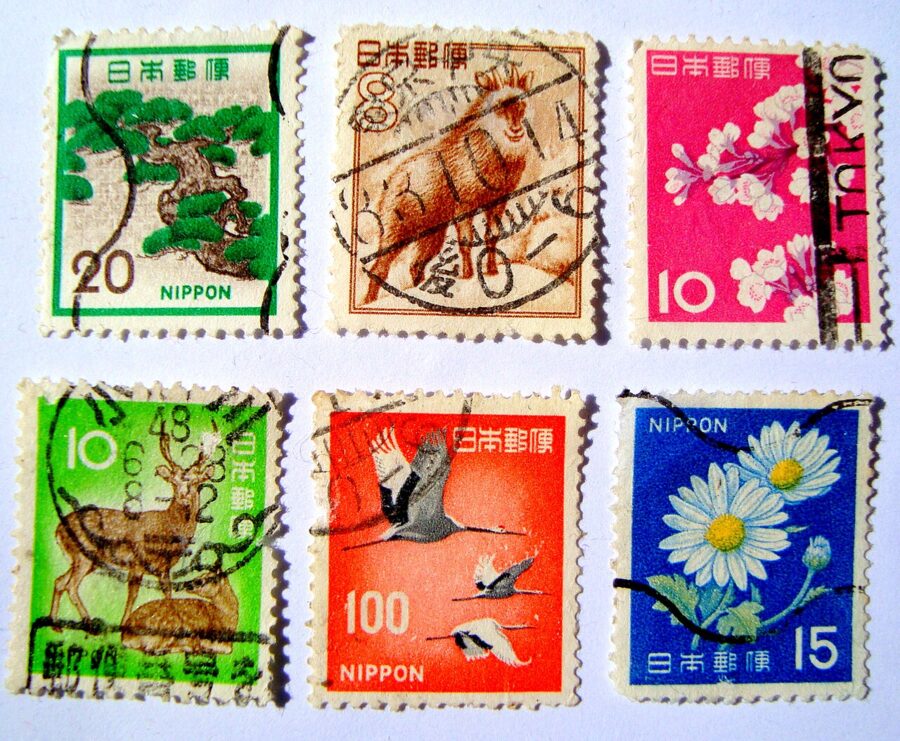
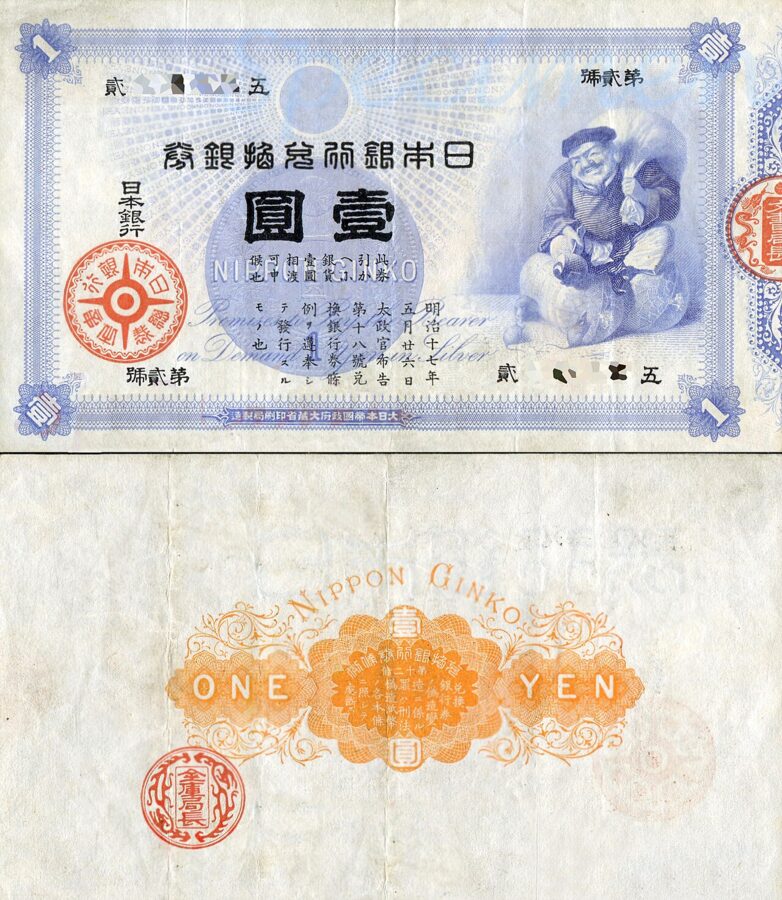
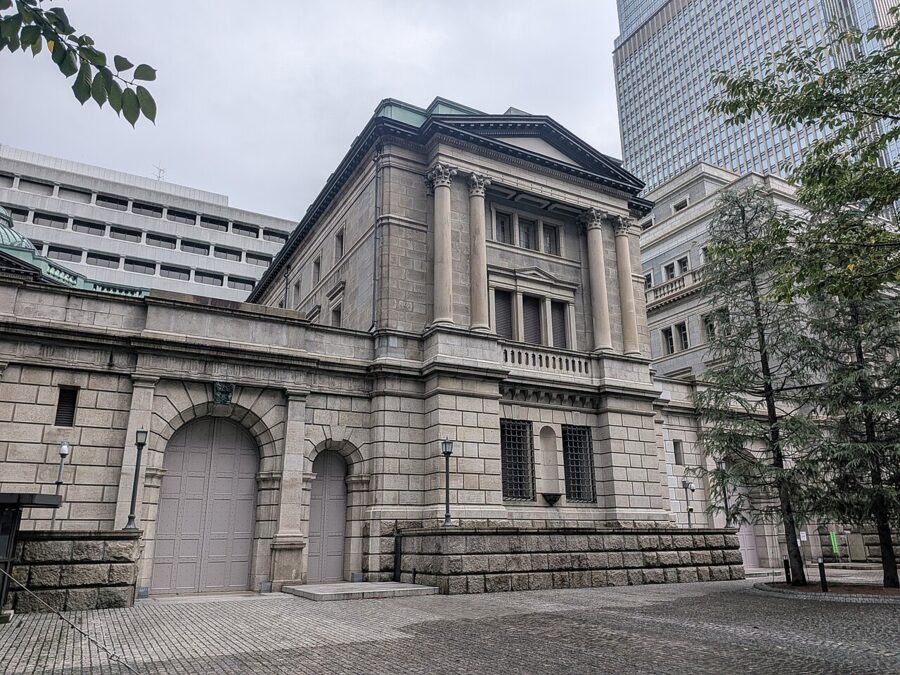
Money and stamps say Nippon. Japanese stamps have carried NIPPON in Latin letters since 1966, under the Universal Postal Union’s rule that a country’s name be readable abroad. The Bank of Japan answers the question for itself: no law decides it, but because its notes say NIPPON GINKO, the bank calls itself Nippon Ginkō. Most people still say Nihon Ginkō.
The notes issued on 3 July 2024 kept the habit. The new 1,000-yen note swaps Mount Fuji for Hokusai’s Great Wave, but its back still reads NIPPON GINKO, and the new security features repeat it: tilt a note and NIPPON surfaces as a latent image, and under a magnifier NIPPONGINKO runs through the design.
Sport says Nippon too. The stadium chant is “Nip-pon! Nip-pon!”, clapped on the beat, and Ganbare Nippon (頑張れニッポン), “come on, Japan”, is the banner. Japan’s first Olympic team, at Stockholm in 1912, marched behind a placard reading NIPPON, though the card has said JAPAN ever since.
Everyday speech mostly says Nihon. The language is Nihongo (日本語), a Japanese person is Nihonjin (日本人), and the chronicle of 720 is always the Nihon Shoki. Shogakukan’s great dictionary of the language files every 日本 word under Nihon unless there is clear evidence for Nippon. I found no recent survey with figures I could check, so I will put it no more strongly than this: say Nihon and you are never wrong; say Nippon and you sound like a banknote, a stamp or a crowd.
Company names split by habit. Japan Post is Nippon Yūbin and All Nippon Airways is Zen Nippon Kūyu, while Japan Airlines is Nihon Kōkū.
The other names: Yamato, Akitsushima and the land of rice
日本 is a late name. The Kojiki (古事記) of 712 and the Nihon Shoki are full of older ones, and poets kept them alive long after.
| Name | Kanji | Reading | What it says |
|---|---|---|---|
| Yamato | 大和 / 倭 | やまと | The Nara basin kingdom, then the whole country |
| Ōyashima | 大八洲 | おおやしま | “The great eight islands” born to Izanagi and Izanami |
| Akitsushima | 秋津島 / 蜻蛉島 | あきつしま | “Dragonfly island” |
| Toyoashihara no Mizuho no Kuni | 豊葦原瑞穂国 | とよあしはらのみずほのくに | “Land of rich reed plains and fresh rice ears” |
| Shikishima | 敷島 | しきしま | From Shiki in Yamato, an early palace site; a poet’s word |
| Hinomoto | 日の本 | ひのもと | The native reading of 日本 |
| Fusō | 扶桑 | ふそう | The tree the sun rises from in Chinese myth |
Yamato was a place before it was a country: the kingdom of the Nara basin, whose rulers became the emperors. The name grew with their reach, and its spellings record the history, first the borrowed 倭, then 大和, which cannot be sounded out as Yamato and is simply learned. Ōyashima, the “great eight islands”, lists Japan’s islands from Awaji to Honshu; Hokkaido and the Ryukyus are nowhere in it.
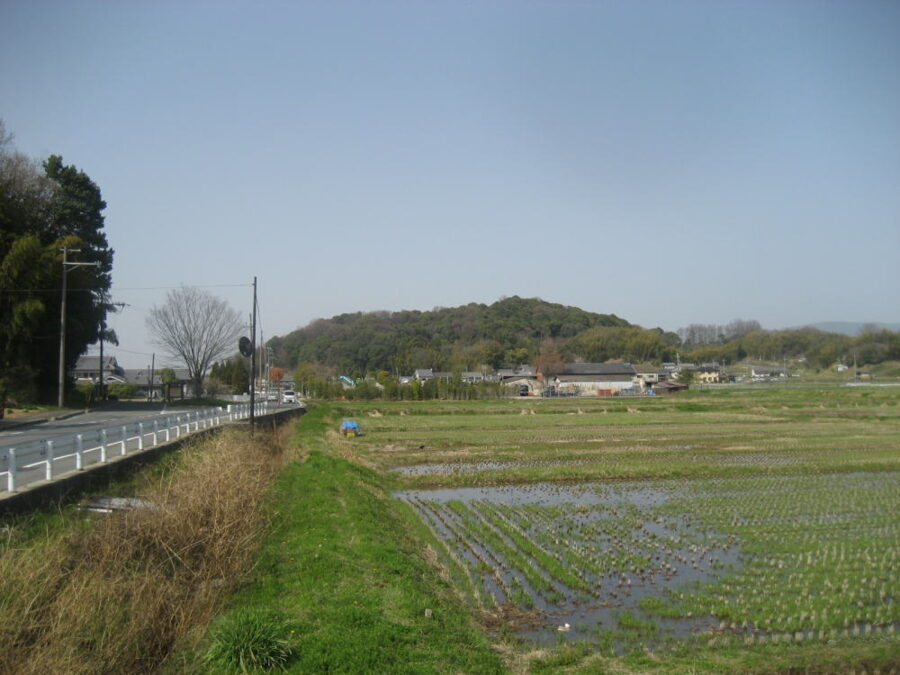
Akitsushima has the best story. Akitsu is an old word for dragonfly, and the Nihon Shoki says Emperor Jimmu climbed a hill, looked over the land and said it was shaped like a dragonfly licking its tail; “from this it first received the name Akitsushima”. Another account ties the name to Akitsushima, the palace of the legendary Emperor Kōan; the dragonfly may be a story told afterwards.
The longest name is a promise of food. Toyoashihara no Mizuho no Kuni is “the land of rich reed plains and fresh ears of rice”, the country the sun goddess’s grandson is sent down to rule; the Nihon Shoki stretches it with “fifteen hundred autumns” in the middle. Mizuho is still about: the Mizuho banking group takes its name from it, written in hiragana.
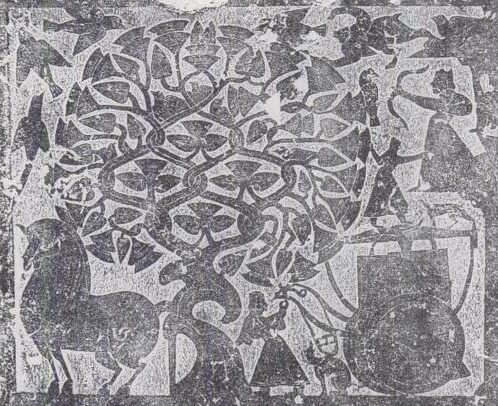
Fusō says the same thing as 日本 by another route. In the Chinese Classic of Mountains and Seas, the Fusang tree grows over a hot-water valley in the far east where ten suns bathe and take turns to rise. Japanese poets were using it for their own country by the late ninth century.
How Nihon became “Japan”
“Japan” is 日本 too, heard through other mouths. Several coastal languages of southern China kept a reading close to the old one, with a j or z at the front and a p in the middle; Shanghainese still says something like Zeppen, while Mandarin went its own way to Rìběn.
Marco Polo never went to Japan, but he heard of it in China, and his book of about 1300 calls it Cipangu or Zipangu, an island in the eastern sea “1,500 miles distant from the continent”, so rich in gold that the king’s palace is roofed with it. The -gu is probably 国, country.
The form that stuck came by sea. Malay traders called the country Jepang or Japun, borrowing from southern Chinese merchants, and the Portuguese who took Malacca in 1511 picked it up there. It became Japão, spelled Iapam by the Jesuits, and English first printed it in 1577 as Giapan, in a translation of a Portuguese letter.
Words built on 日本
Most compounds take Nihon; a handful take Nippon by custom, and a few go either way.
| Word | Reading | Romaji | Meaning |
|---|---|---|---|
| 日本語 | にほんご | Nihongo | the Japanese language |
| 日本人 | にほんじん | Nihonjin | a Japanese person |
| 日本酒 | にほんしゅ | nihonshu | sake, rice wine (literally “Japan alcohol”) |
| 日本料理 | にほんりょうり | Nihon ryōri | Japanese cooking |
| 日本書紀 | にほんしょき | Nihon Shoki | the Chronicles of Japan, 720 |
| 日本銀行 | にっぽんぎんこう | Nippon Ginkō | the Bank of Japan (its own choice) |
| 日本郵便 | にっぽんゆうびん | Nippon Yūbin | Japan Post |
| 日本橋 | にほんばし / にっぽんばし | Nihonbashi / Nipponbashi | the bridge in Tokyo / in Osaka |
| 日本一 | にほんいち / にっぽんいち | Nihon-ichi / Nippon-ichi | the best in Japan, on many a shop sign |
| ニホニウム | にほにうむ | nihoniumu | nihonium, element 113 |
In Japan sake (酒) can mean any alcohol, so the brewed rice drink is often called nihonshu to be clear. Japanese food has two names: Nihon ryōri, and the warmer washoku (和食), built on 和, the harmony character that replaced 倭. The same 和 gives wafuku (和服), Japanese dress such as the kimono. A character chosen thirteen centuries ago to escape a slur is now the everyday prefix for “Japanese”.
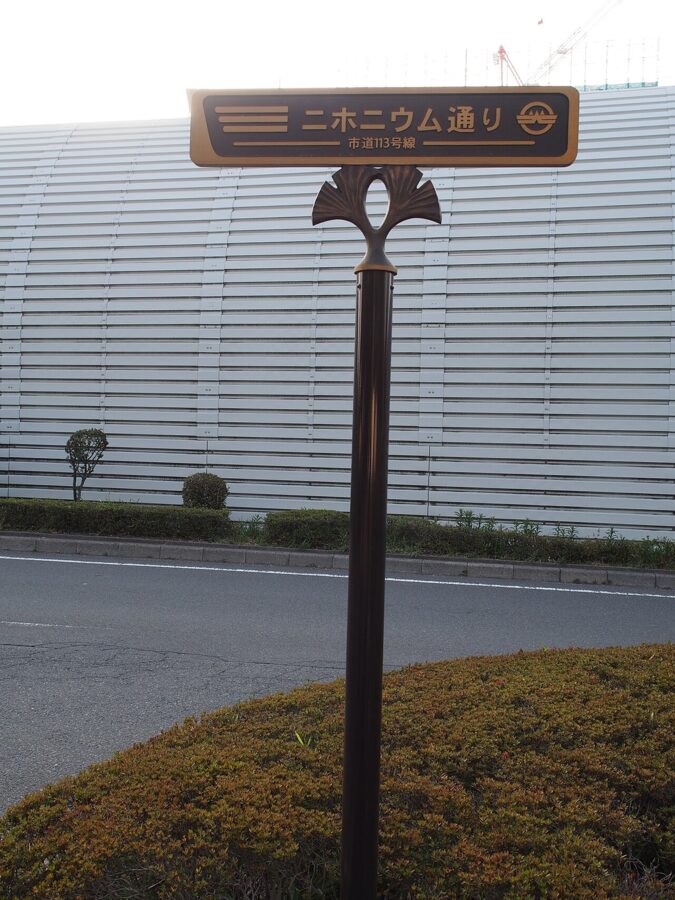
When RIKEN won the right to name element 113, it chose nihonium, symbol Nh, the first element discovered in Asia, and the street outside the laboratory spells it in katakana, the script the Japanese writing system keeps for foreign words. 日本 went out into the world and came back as a loanword about itself.
If you want one place to meet the name, go to the bridge. Tokyo’s Nihonbashi, a stone bridge of 1911 beneath an expressway, is where Edo’s highways began, and a plate in the road still marks the point from which Japan’s national roads are measured. The Bank of Japan is a few streets away.

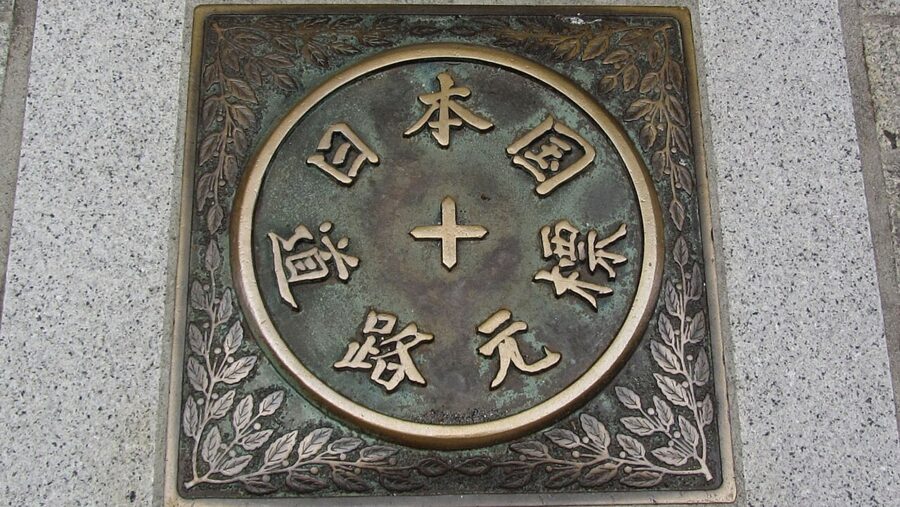
Stand on the bridge, say its name the Tokyo way, and pay for your coffee with a note that disagrees with you. You are both right, and the characters on each are the same sun and the same root.