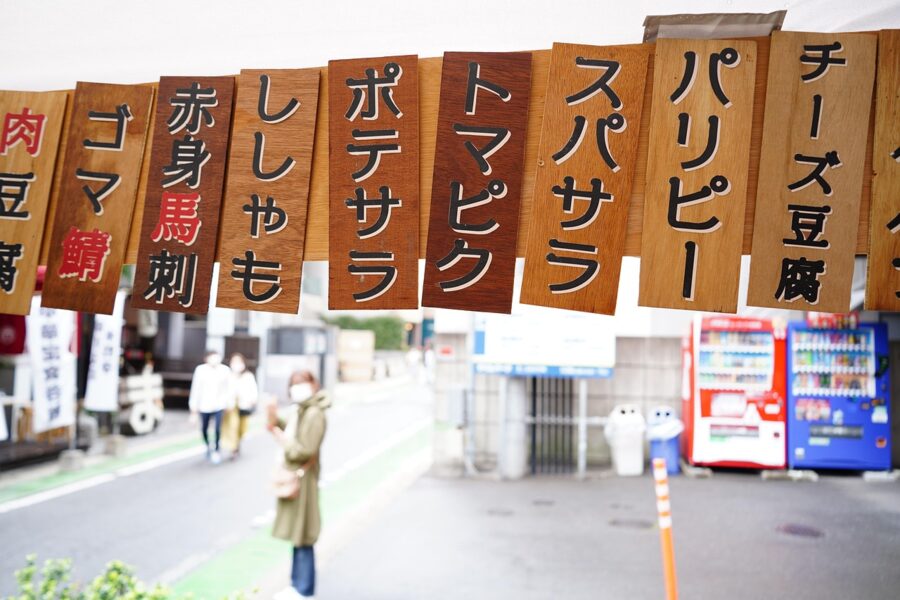
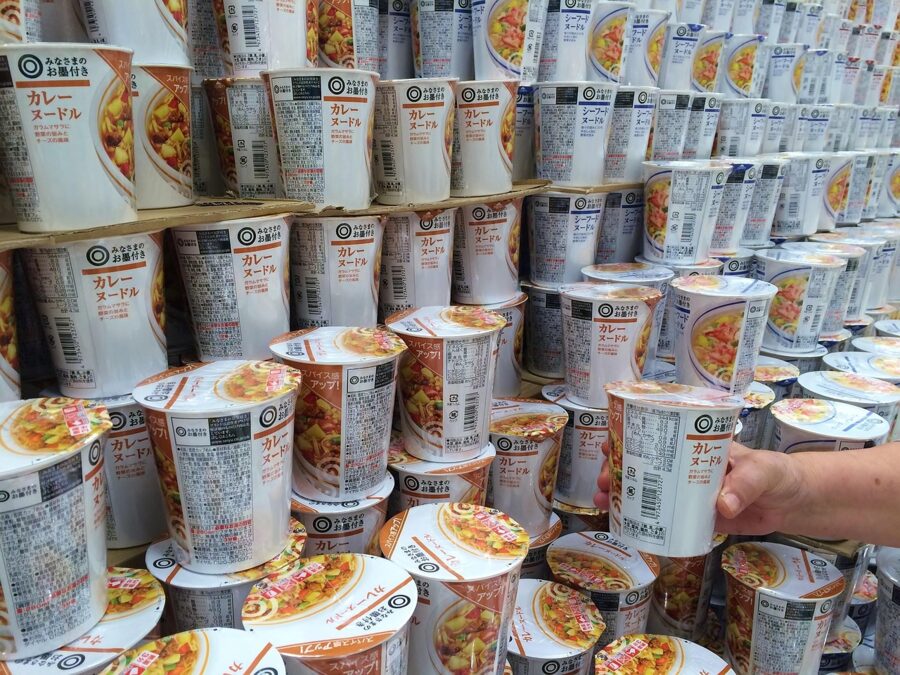
Under the awning of a food stall in Japan, a row of wooden tags spells out the menu: ポテサラ, スパサラ, チーズ豆腐. Potato salad and spaghetti salad, both clipped from English, then cheese tofu, half katakana and half kanji. The angular script on those tags began about eleven hundred years ago in Buddhist temples, as shorthand in the margins of sutras.
The script is katakana (片仮名), and its name explains it. 片, kata, means a piece or one side of something; 仮名, kana, is the “borrowed name” that Japan calls its sound-writing. Katakana is fragment kana: every shape in it is a piece cut from a kanji.
Today it is the script of the foreign and the loud: loanwords, foreign names, the bark of a dog, the crash of a manga panel. Japanese children now learn it after hiragana, but from the Meiji period until 1945 it came first, and the state wrote its laws in it.
In this article
Pieces of kanji: where the shapes came from
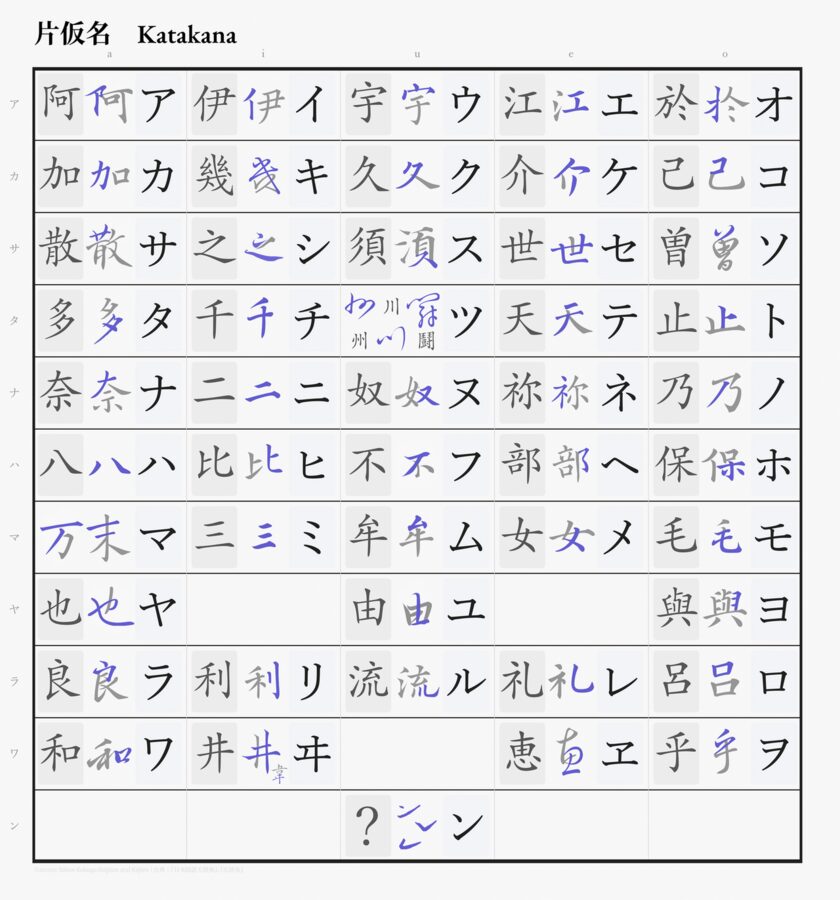
Before kana, Japanese was written by borrowing whole Chinese characters for their sound and ignoring their meaning. These are man’yōgana (万葉仮名), named after the eighth-century poetry anthology that used them. 加 could stand for ka and 伊 for i, whatever they meant. It worked, but it was slow, and the characters were large.
Katakana is what happened when those characters were written fast and small. The left half of 加 gives カ; the left side of 伊 gives イ. The dictionaries’ entries for 片仮名 sort the sources into four kinds, and the pattern is worth seeing:
| How the shape was made | Source kanji | Katakana |
|---|---|---|
| A simple kanji kept whole | 千, 二, 八 | チ (chi), ニ (ni), ハ (ha) |
| The first few strokes | 久, 散, 乃 | ク (ku), サ (sa), ノ (no) |
| The last few strokes | 江, 奴, 保 | エ (e), ヌ (nu), ホ (ho) |
| A cursive or running form | 幾, 之, 也 | キ (ki), シ (shi), ヤ (ya) |
That grouping comes from the Nihon Kokugo Daijiten. ハ is the neatest case: it is simply 八, the kanji for eight, which only had to lose its meaning to become a sound.
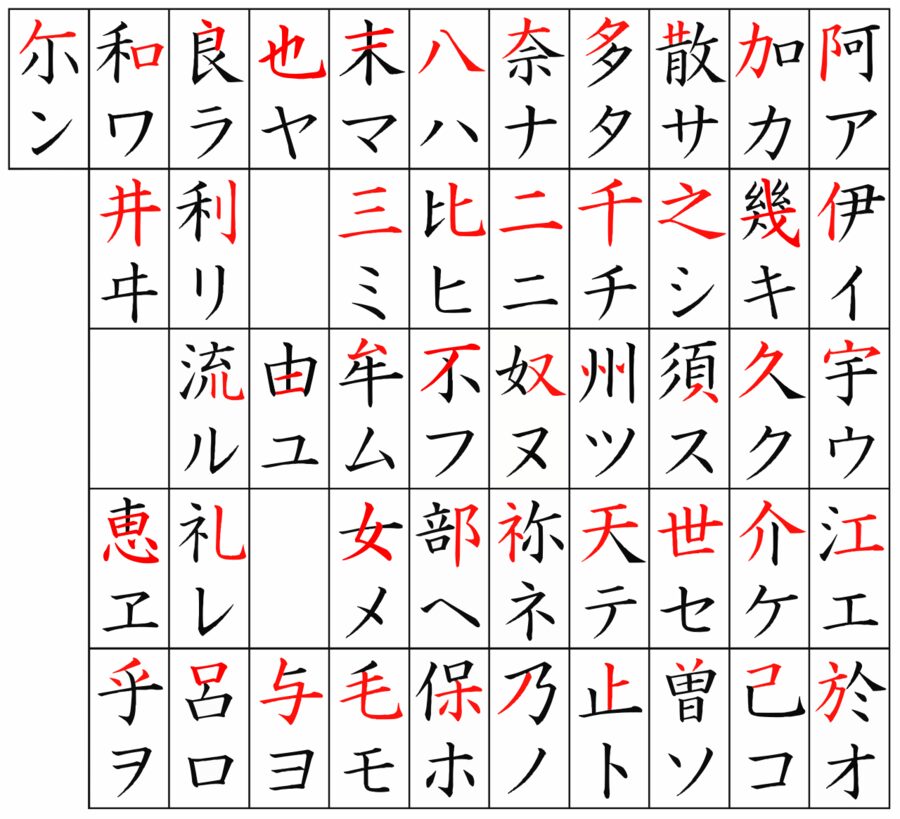
A few shapes stay disputed. ツ is traced to 州, 川, 門 or 津, depending on the source. ン joined the set late, and one account makes it a tick mark for a nasal sound rather than a kanji. Where a chart gives one confident answer for these, it is choosing.
Monks, sutras and marks in the margin
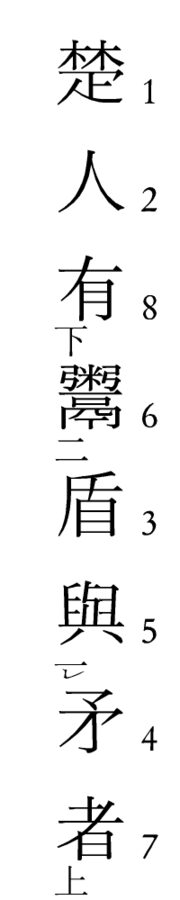
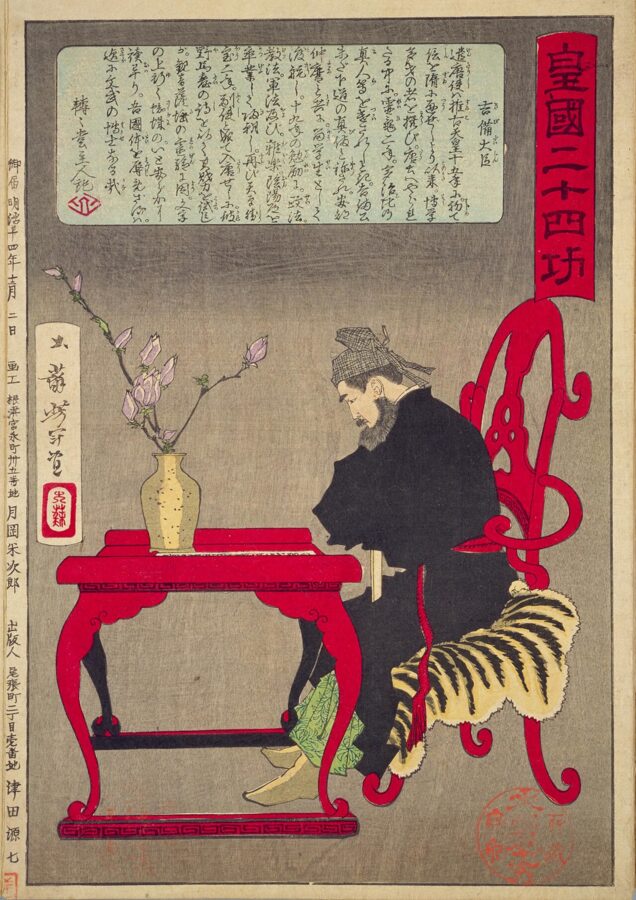
The people who cut those pieces were Buddhist scholar-monks in the temples of Nara, in the early ninth century. Their sutras were in Classical Chinese, with Chinese word order and no Japanese grammar. To read them aloud as Japanese, a practice called kundoku (訓読), they needed to note which word came first, what endings to add, and how to pronounce the hard characters.
The notes are called kunten (訓点), literally “reading points”. They included dots placed at the corners of characters, a code known as okototen (ヲコト点), and order marks that still appear in school textbooks of Classical Chinese. The oldest dated example, according to the encyclopaedia entry on kunten, is a copy of the Buddhist treatise Jōjitsuron annotated in 828.
A full man’yōgana character took too much room between the lines of a sutra, so the monks shortened them, each school in its own way. Variant shapes abounded until the mid-tenth century; by the twelfth they had settled close to today’s forms. The old story that the scholar Kibi no Makibi invented katakana is still repeated, and the historical dictionaries reject it.
From the margin to the page
Katakana did not stay a reading aid. By the late Heian period it was used to write Japanese prose itself, mixed with kanji in the way hiragana is today. Collections of Buddhist tales, scholarly notes and records were written in this kanji-katakana style, while court poetry and women’s diaries went into hiragana.
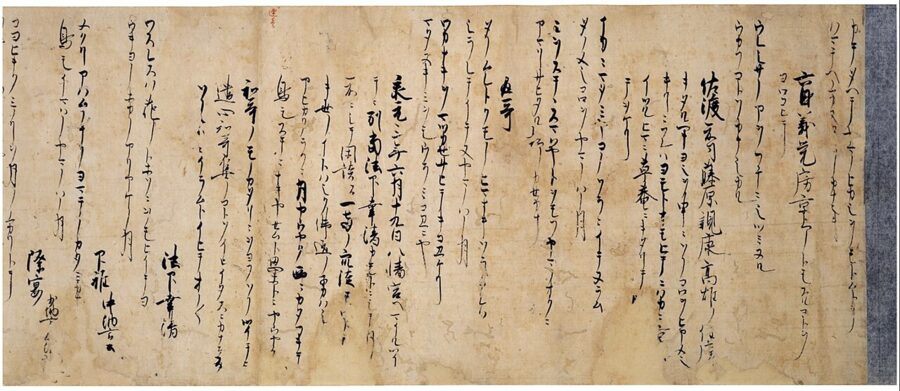
Two famous works show the style. The Konjaku Monogatarishū, more than a thousand tales from India, China and Japan compiled in the early twelfth century, writes its kanji large and its katakana small. Kamo no Chōmei’s Hōjōki of 1212, the essay that opens on a river whose water is never the same, survives in a manuscript at Daifukukō-ji temple in kanji and katakana.
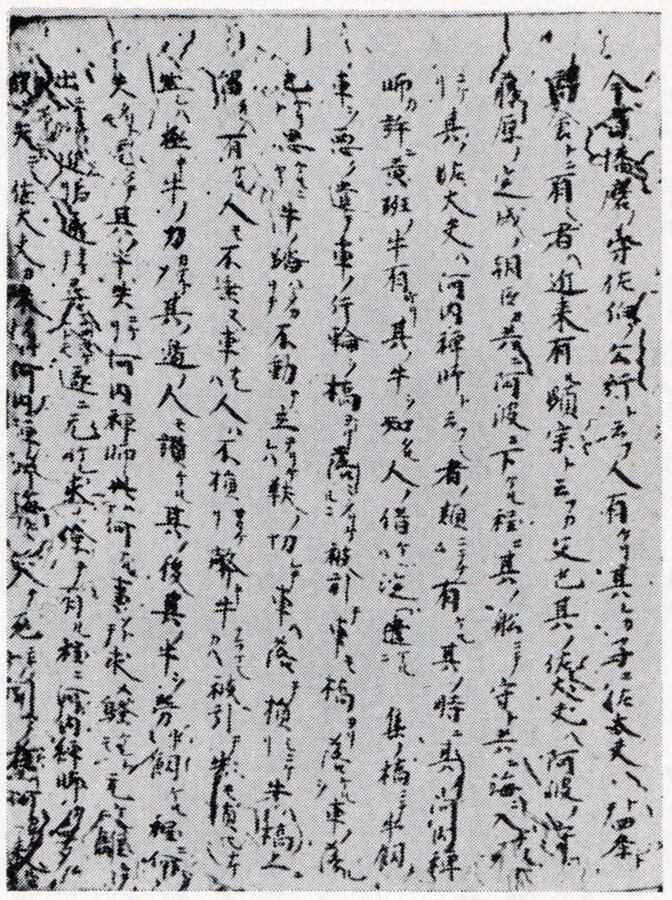
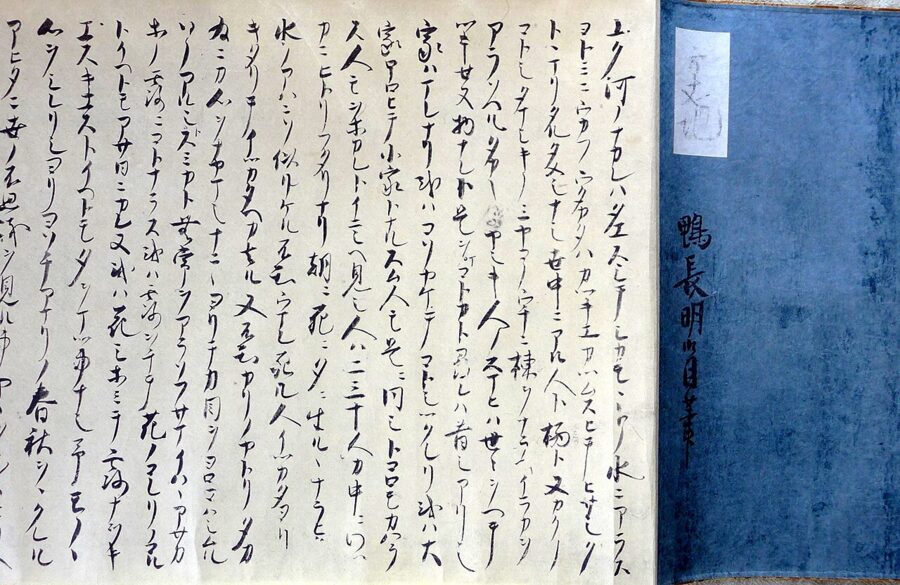
Which came first, hiragana or katakana? Popular articles in Japanese often say katakana. The dictionaries are more careful: both grew out of man’yōgana in the ninth century, hiragana by flowing the whole character into cursive, katakana by cutting a piece off it.
The script of the state
When the Meiji government wrote modern law, it wrote in kanji with katakana. Official prose descended from the kundoku reading of Chinese, and katakana had been that style’s script for a thousand years. Hiragana belonged to letters, novels and poetry; katakana belonged to scholarship and authority.
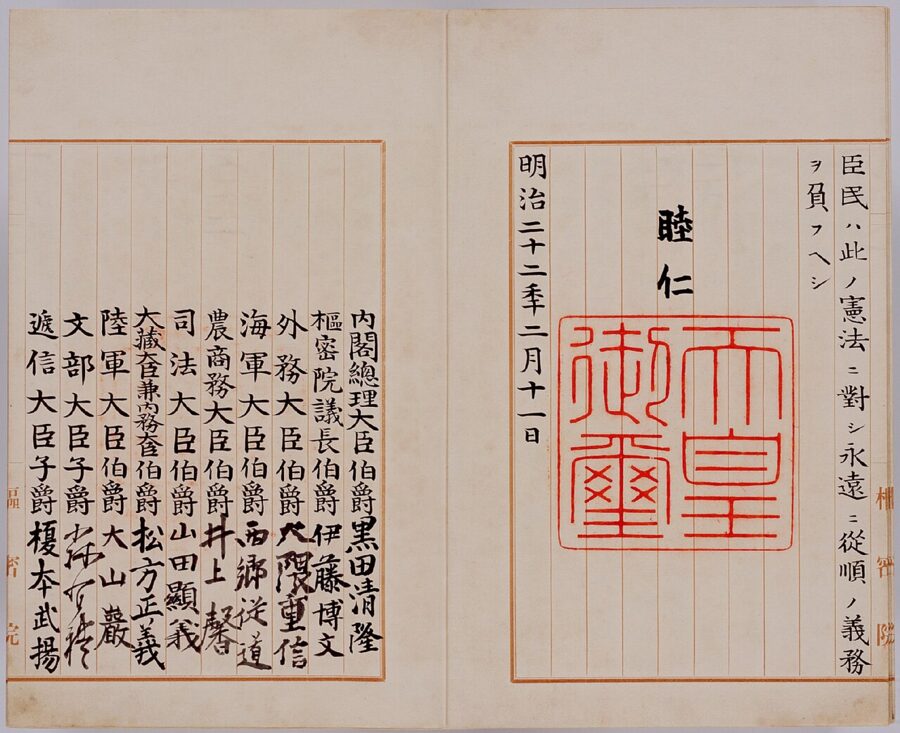
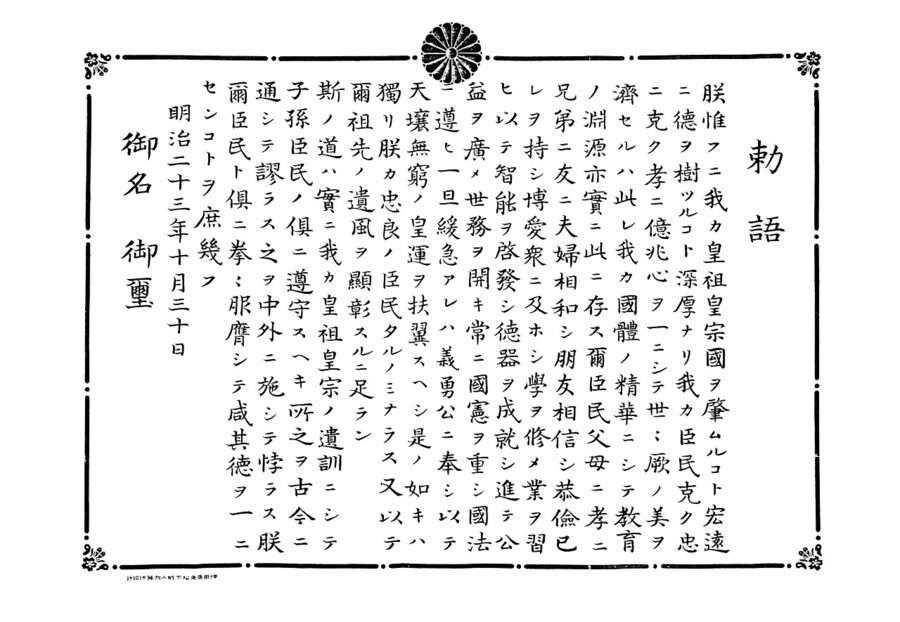
The Constitution of the Empire of Japan, promulgated on 11 February 1889, is written this way, and so is the Imperial Rescript on Education of 30 October 1890, sent to every school and read aloud at ceremonies. Legal codes and official gazettes kept the rule until after the Second World War.
From the Meiji period until the end of the war, elementary schools taught katakana before hiragana. The shapes were fixed in 1900, when the enforcement regulations of the Elementary School Order printed one form for each sound, 48 in all, and the monks’ variants dropped out of use.
Telegrams went out in katakana for decades too. The most famous one was a single phrase, サクラサク, “the cherry blossoms have bloomed”, which told a student they had passed a university entrance exam.
The people who wanted only katakana
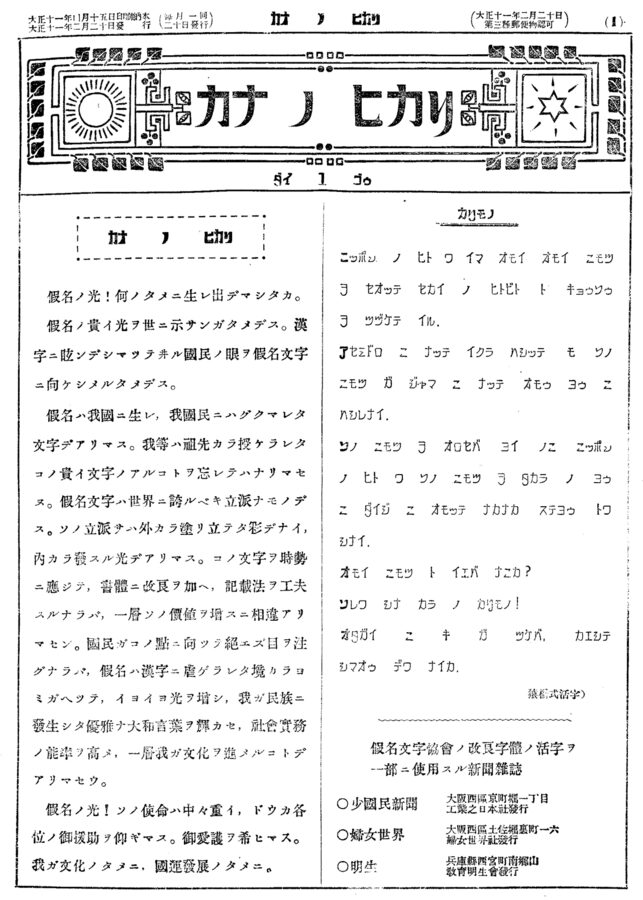
For some reformers the logical step was to drop kanji altogether. In 1920 the businessman Yamashita Yoshitarō published the founding prospectus of a Kana Character Association, which campaigned for writing Japanese in katakana and, eventually, horizontally. Its bulletin, Kana no Hikari (“The Light of Kana”), first appeared in 1922.
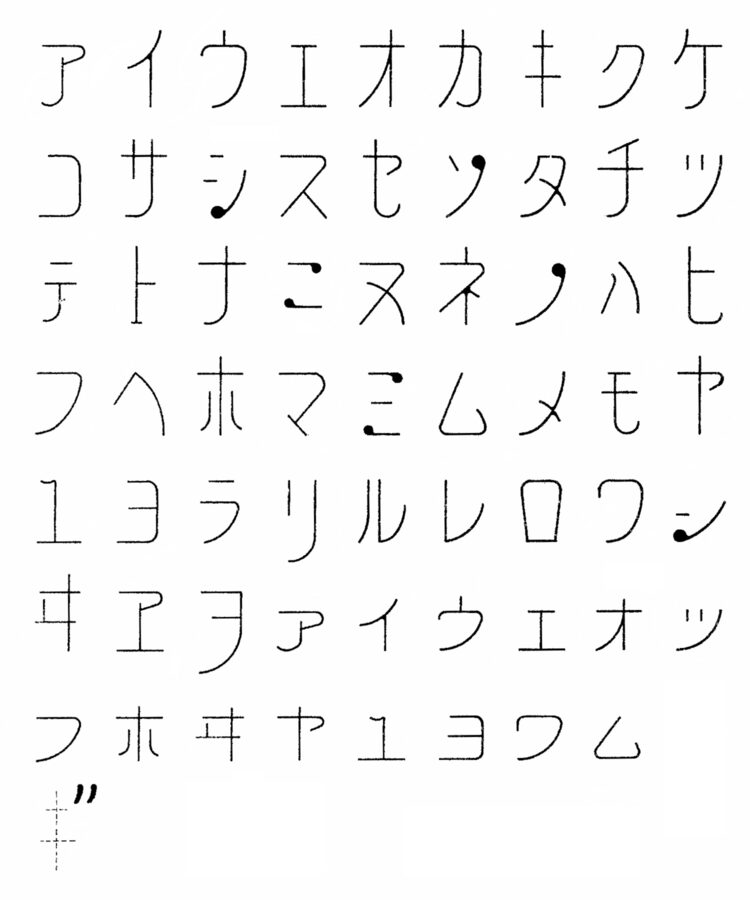
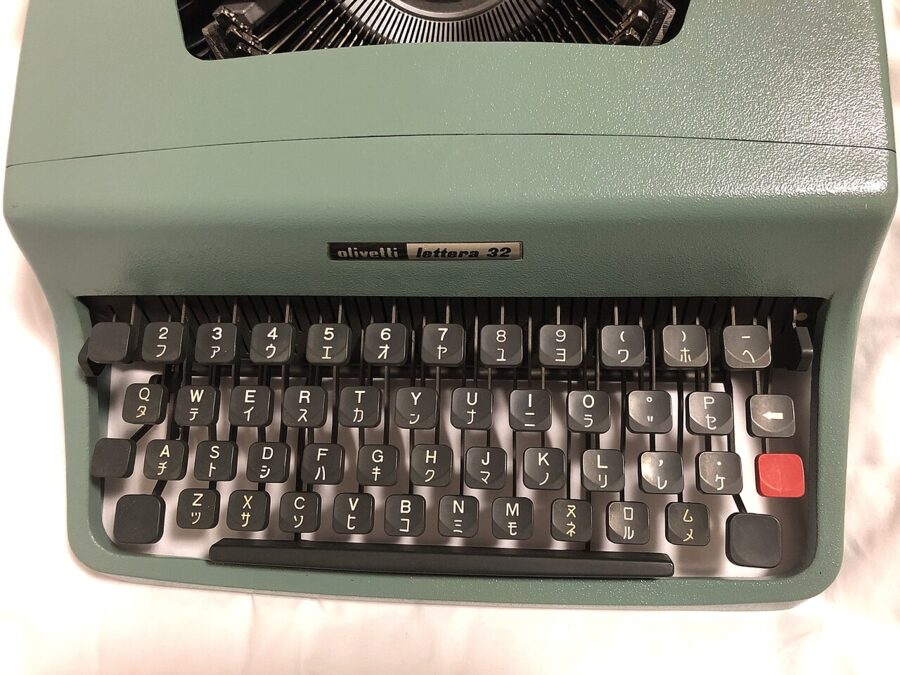
Yamashita also wanted a machine for it. In January 1923 he visited the Underwood Typewriter Company in the United States, where the engineer Burnham Coos Stickney designed a katakana typeface and keyboard. Kana typewriters stayed in production for decades, long after the movement’s hopes of replacing kanji had faded.
1946: the law switches to hiragana
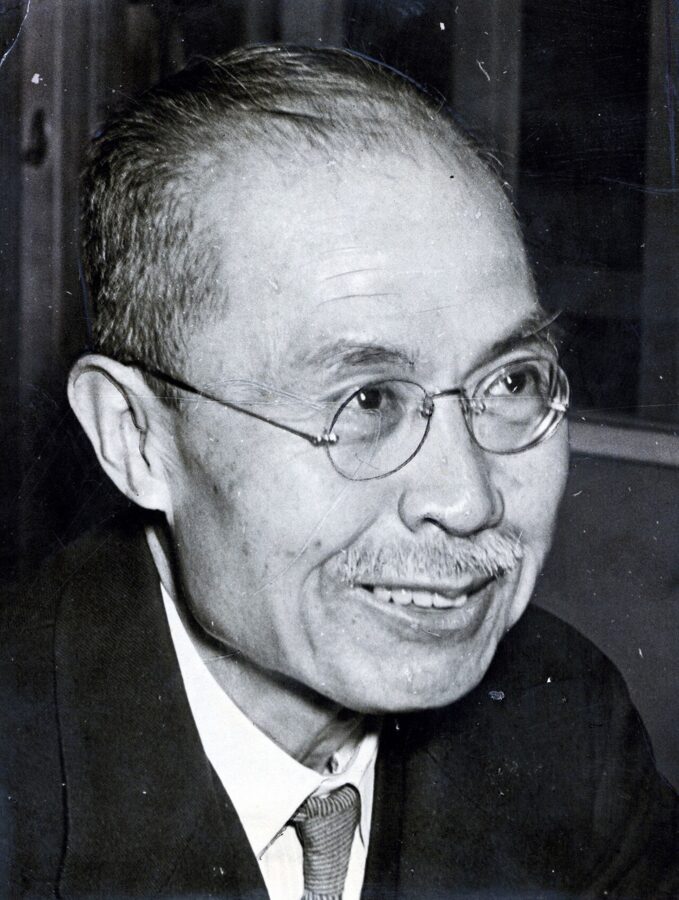
The change came with the new constitution. On 2 April 1946, prompted by a language reform group’s proposal to Prime Minister Shidehara Kijūrō, the government decided to draft it in plain spoken Japanese with hiragana. The novelist Yamamoto Yūzō worked on the wording, and the draft went public on 17 April; the National Diet Library’s record of the first colloquial draft sets out each step.
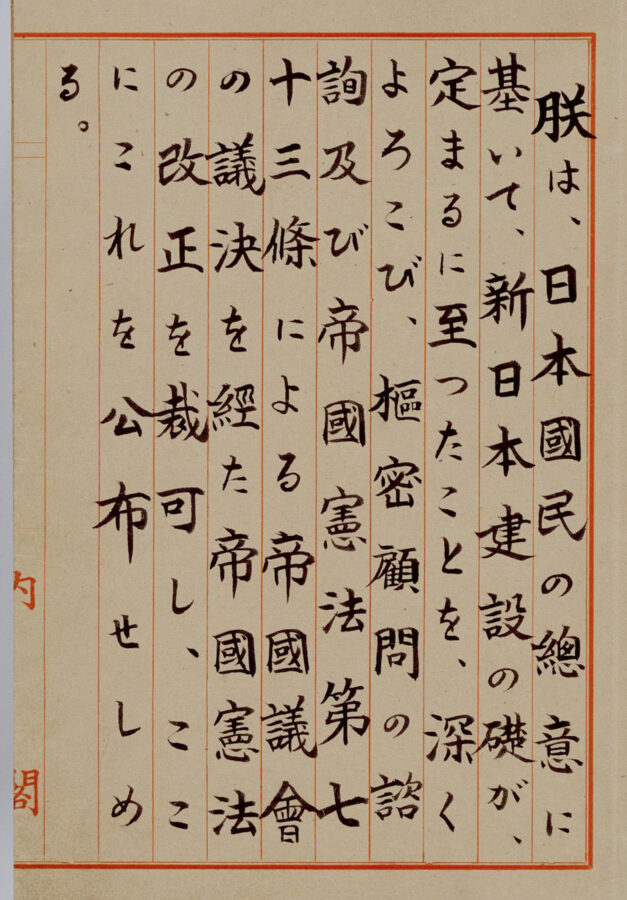
Laws and ministries followed, and schools switched to teaching hiragana first.
What katakana does today
Loanwords are katakana’s biggest job, but the others explain a lot about how a Japanese page looks.
Loanwords
Words borrowed from languages other than Chinese are gairaigo (外来語), “words from outside”, and they go into katakana. The encyclopaedia entry on gairaigo dates the first layer to sixteenth-century Portuguese traders, who brought タバコ (tabako, tobacco), and the bread still sold as パン (pan, from pão). Dutch scholars added ガラス (garasu, glass); most of the rest came after 1868, mainly from English.
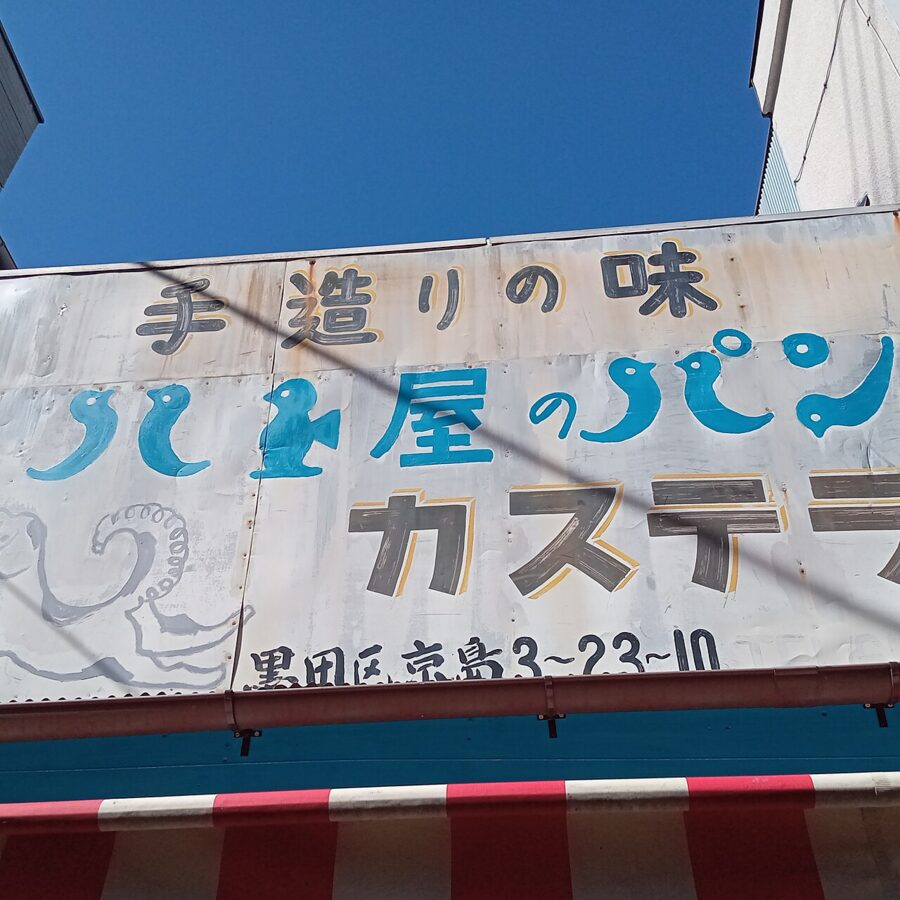
The Japanese menu is full of them, and the exceptions are instructive. Words borrowed from Chinese centuries ago are kanji, part of the furniture. Words borrowed from modern Chinese are katakana like any other import, which is why ramen is ラーメン and dumplings are ギョーザ (gyōza) on many shop fronts, even though both have kanji spellings.
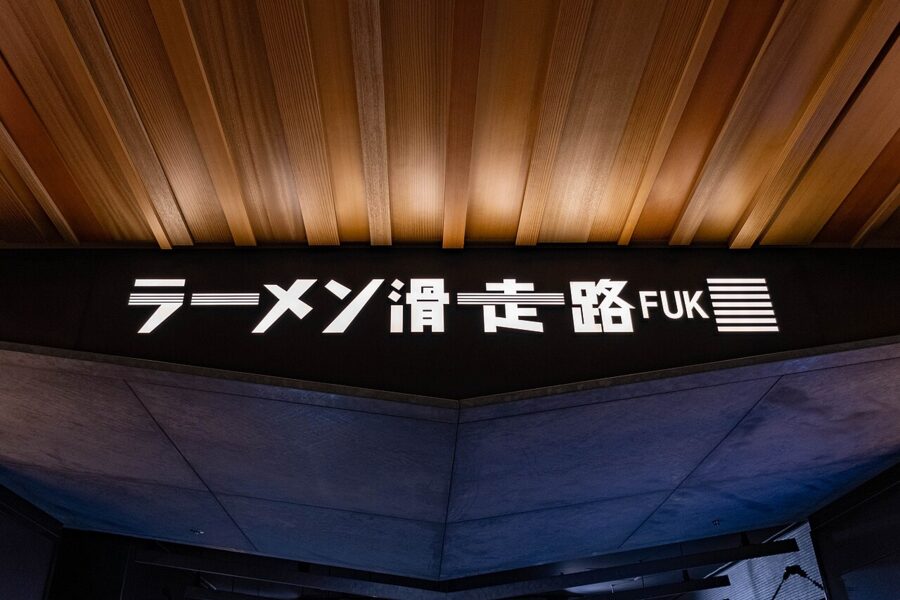
Foreign names, and some Japanese ones
Foreign people and places go into katakana: アメリカ for America, ロンドン for London, マクドナルド (Makudonarudo) for the burger chain. Companies use it too: Toyota and Suzuki, both common surnames, write their brands トヨタ and スズキ.
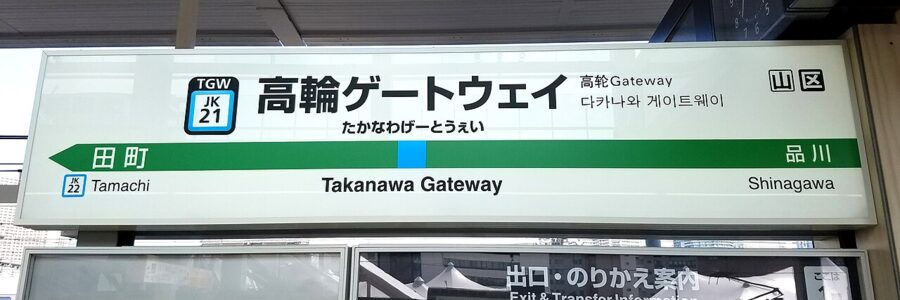
Mixing scripts in a place name can start an argument. For its new Yamanote line station JR East chose 高輪ゲートウェイ, Takanawa Gateway, which had come 130th in the railway’s own public naming poll of 2018. A petition against it gathered 47,930 signatures, and the station opened in March 2020 with the name unchanged.
Sound and feeling: giongo and gitaigo
Japanese has a large stock of words that imitate sounds, giongo (擬音語), and words that imitate states and movements, gitaigo (擬態語). A dog says ワンワン (wanwan), a doorbell goes ピンポン (pinpon), and a racing heart is ドキドキ (dokidoki). Either script will do, and katakana is the louder choice.
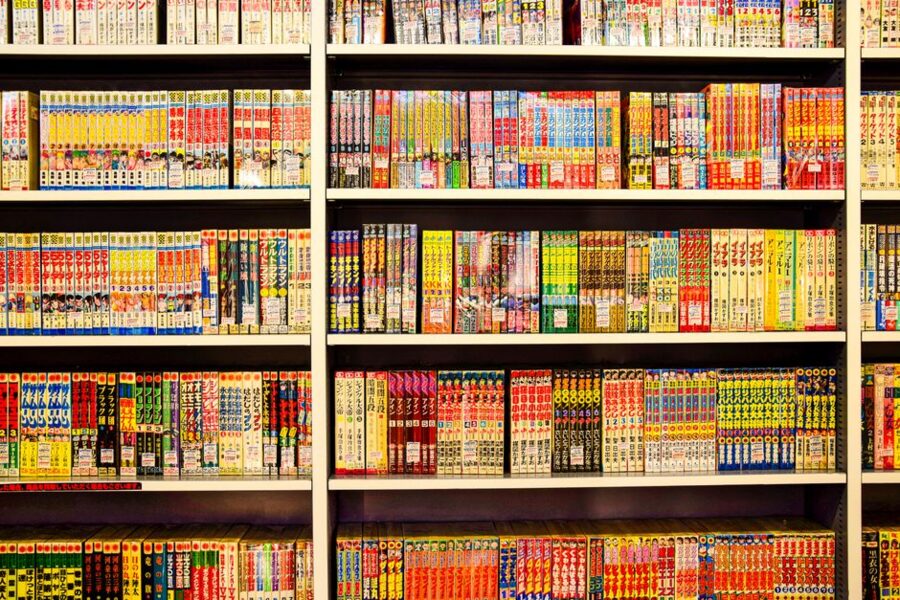
Manga made that a convention. The big sound effects drawn across a panel, the ドン of an impact or the ゴゴゴ of looming menace, are nearly always katakana, because its straight strokes can be stretched, thickened and cracked like lettering on a poster.
Emphasis, slang and robots
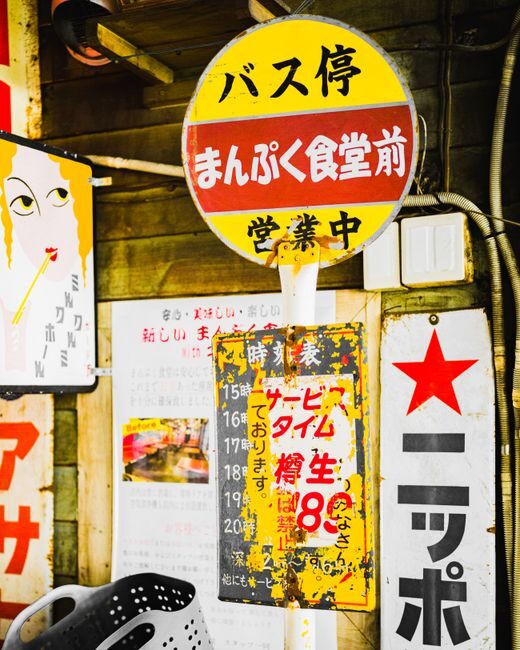
Katakana works on a Japanese page much as italics do in English. Signs and adverts put everyday words in it to make them jump: ゴミ (gomi, rubbish) on a bin, メガネ (megane, glasses) over an optician’s. In conversation written as dialogue, words like バカ (baka, idiot) and マンガ go into katakana for a rougher, more casual tone.
It also marks a voice as strange. In manga, a robot, an alien or a foreigner speaking broken Japanese gets katakana dialogue: コンニチワ instead of こんにちは for “hello”. The words are Japanese; the script says they sound wrong. City names can take on the same weight, and ヒロシマ in katakana points to the city of 1945 rather than the prefecture on the map.
Plants, animals and dictionary readings
Biologists write the Japanese names of species in katakana: イヌ for the dog, サクラ for the cherry, and ヒト for Homo sapiens, where everyday writing would use 人. It separates the species from the ordinary word and spares readers rare kanji. The same logic puts 皮膚科, dermatology, on clinic signs as ヒフ科, because 膚 is hard to read.
Kanji dictionaries print a character’s Chinese-derived reading, its on’yomi (音読み), in katakana and the native reading in hiragana: スイ (sui) and みず (mizu) in the article on 水, and the same pairing across the kyōiku kanji. Linguists also write the Ainu language of Hokkaido in katakana, with small kana for its final consonants.
Sounds Japanese did not have
Japanese syllables are simple: a vowel, or a consonant and a vowel, with ン as the only consonant that stands alone. English is not simple, and katakana has had to stretch to fit it.
The long bar and the small kana
Three devices do most of the work. The long-vowel mark ー, the chōonpu (長音符), stretches the vowel before it: “mail” is メール (mēru). A small ッ doubles the next consonant: “bed” is ベッド (beddo). Small vowels make new pairs: チェ in チェンジ (chenji, change), ファ in ファミリー (famirī, family).
ティ, ファ and the 1991 notice
Which combinations are standard was settled by Cabinet Notice No. 2 of 28 June 1991, signed by Prime Minister Kaifu Toshiki. The notice, The Notation of Loanwords, covers laws, official documents, newspapers and broadcasting, and leaves science, the arts, personal names and brand names to their own habits. It sorts the extra kana into two tables.
| Kana it lists | Examples from the notice | |
|---|---|---|
| Table 1: in general use | シェ, ジェ, チェ, ツァ, ツェ, ツォ, ティ, ディ, ファ, フィ, フェ, フォ, デュ | ティーパーティー (tea party), ファイル (file), チェス (chess), モーツァルト (Mozart) |
| Table 2: for closer spelling | イェ, ウィ, ウェ, ウォ, クァ, クィ, クェ, クォ, ツィ, トゥ, ドゥ, ヴァ, ヴィ, ヴ, ヴェ, ヴォ, テュ, フュ, ヴュ | ウィスキー (whisky), ヒンドゥー教 (Hinduism), ヴァイオリン (violin), フュージョン (fusion) |
Settled spellings stay, so ラジオ (radio) keeps ジ and エチケット (etiquette) keeps チ. For English -er, -or and -ar the notice prefers a long vowel, エレベーター, but lets custom drop the bar, which is why manuals print コンピュータ where shop signs say コンピューター.
ヴ: a v for Japanese
Japanese has no v sound, and for most of the twentieth century “violin” was バイオリン. The character ヴ, ウ with voicing marks, was devised by Fukuzawa Yukichi, by his own account, and appears in his 1860 edition of an English-Chinese phrasebook. A government language council still recommended the b-spellings in 1954.
The 1991 notice put ヴ in Table 2 and said the b-spelling is fine for everyday use. Both are now common, and most people say baiorin whichever way it is written.
Wasei-eigo: English made in Japan
Not every katakana word that looks English is English: wasei-eigo (和製英語), “Japan-made English”, is built in Japan from English parts. The dictionary definition of wasei-eigo gives examples such as ナイター (naitā, a night baseball game), バックミラー (bakkumirā, a rear-view mirror) and ゴールイン (gōruin, reaching the finish line, or getting married).

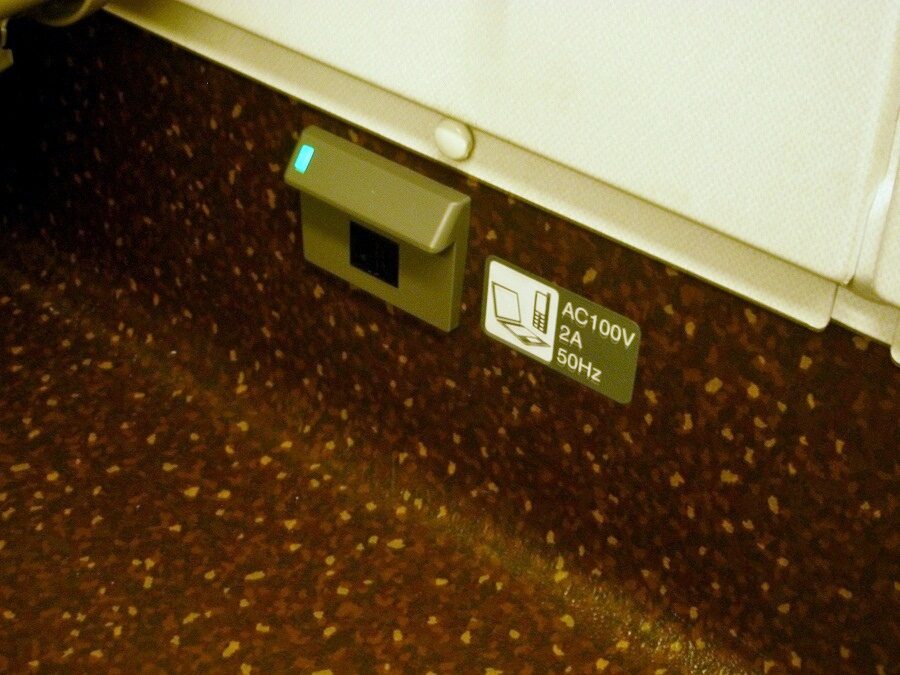
The best known is サラリーマン (sararīman), the salaried company man, which English later borrowed back. コンセント (konsento) is a wall socket; the usual story traces it to “concentric plug”, though nobody has pinned that down. Then there are clippings, phrases cut to four syllables: パソコン (pasokon) for personal computer, エアコン for air conditioner, and the ポテサラ on that stall.
The chart, and four characters that look alike
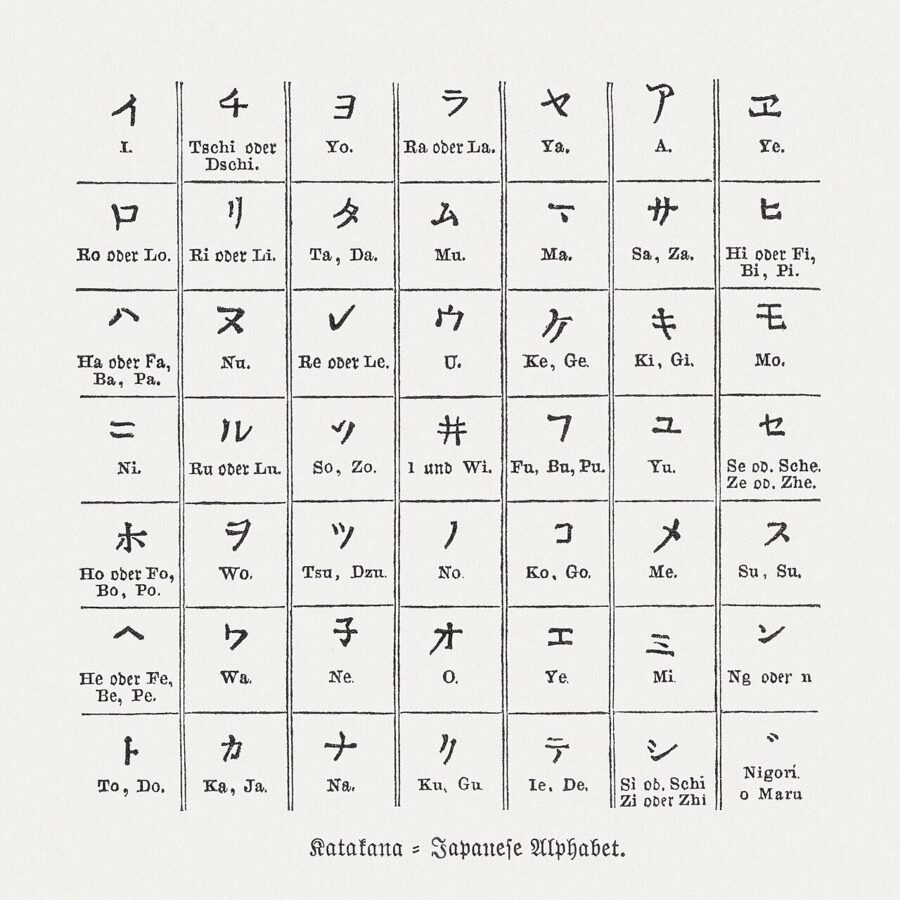
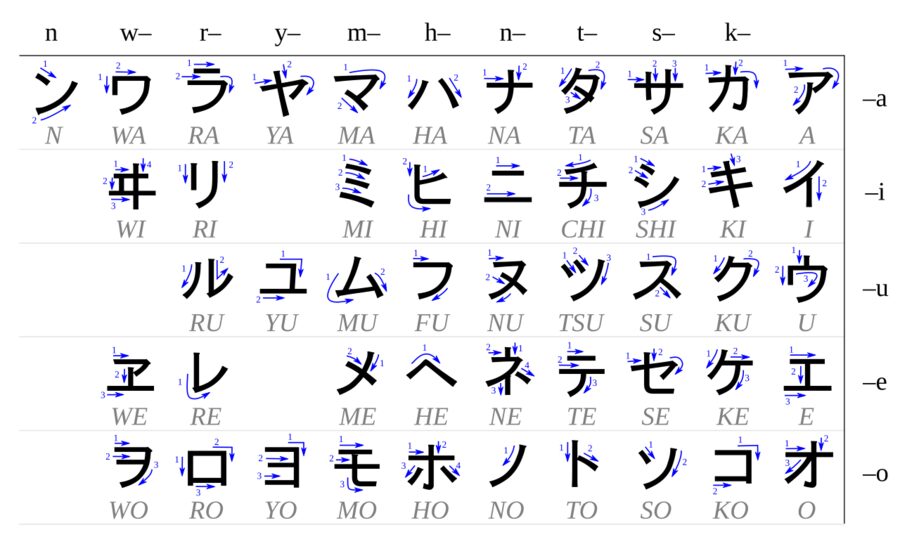
Modern Japanese uses 46 basic katakana. ヰ and ヱ survive only in old spellings and brand names, and ヲ only as a particle usually written in hiragana. Add the voicing marks ゛ and ゜ and the small kana, and the set covers every sound in the language.
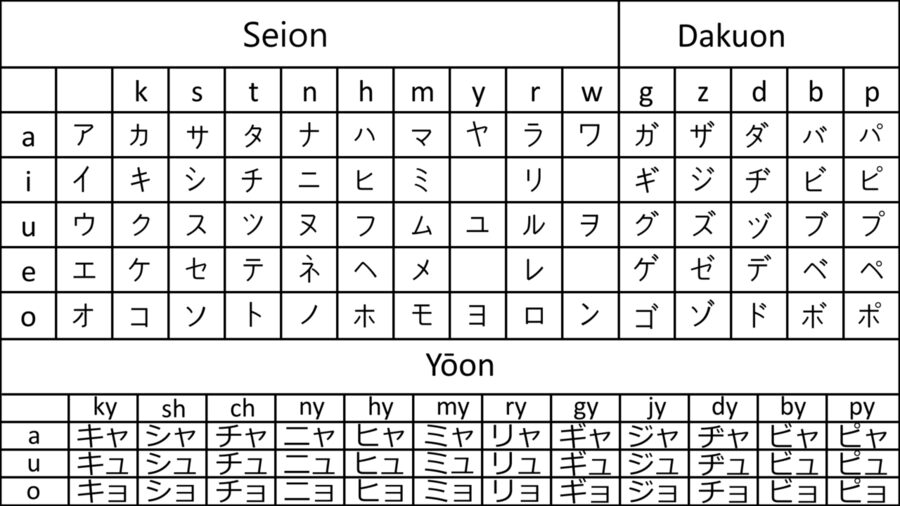
Four characters cause most of the trouble: シ (shi), ツ (tsu), ソ (so) and ン (n). In print they are a few short strokes and a long one, and the difference lies in where the short strokes sit and which way the long stroke travels.
- シ and ン: the short strokes are on the left, stacked down the side (two for シ, one for ン), and the long stroke sweeps up from the bottom left.
- ツ and ソ: the short strokes sit along the top (two for ツ, one for ソ), and the long stroke falls from the top right down to the bottom left.
Read the long stroke as a direction, rising or falling, and the four separate at once.
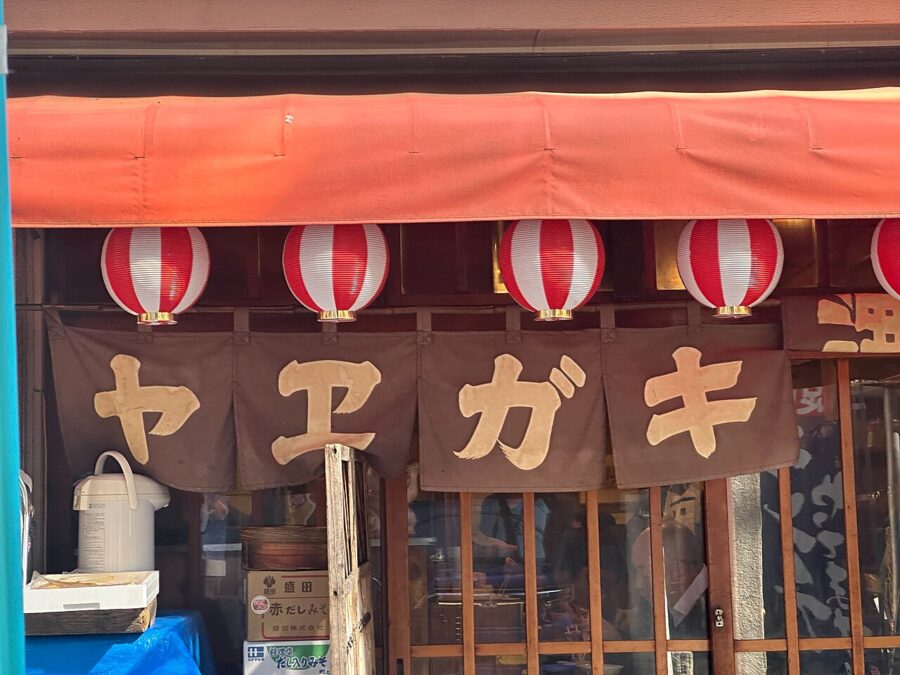
Go back to that stall and read the first tag again. ポテサラ is an English phrase cut down to size in Japan; its ポ is the last strokes of 保 with a small circle added; and the whole word sits in a script that monks made for reading sutras aloud. The cook only meant potato salad.