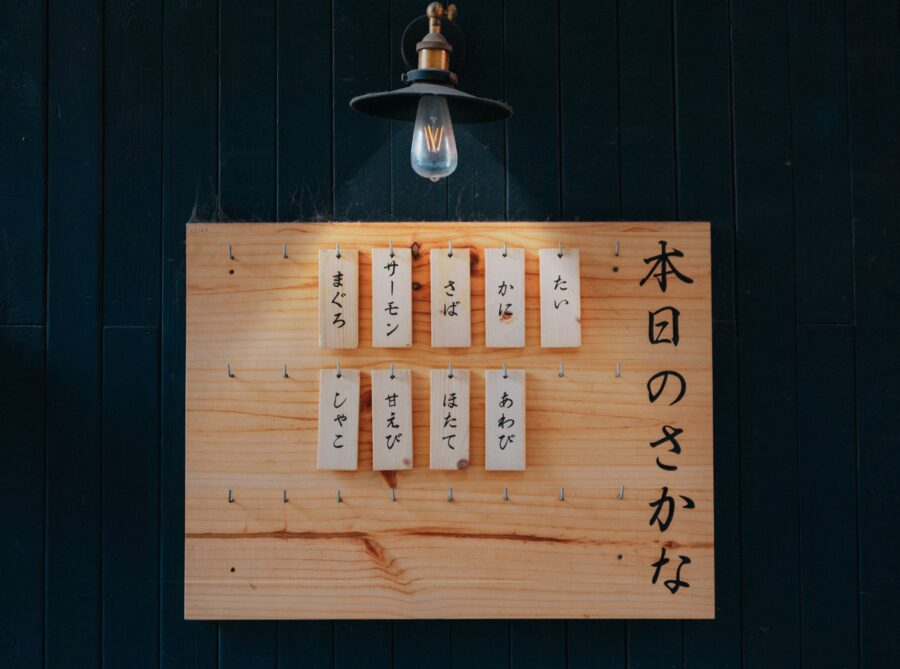
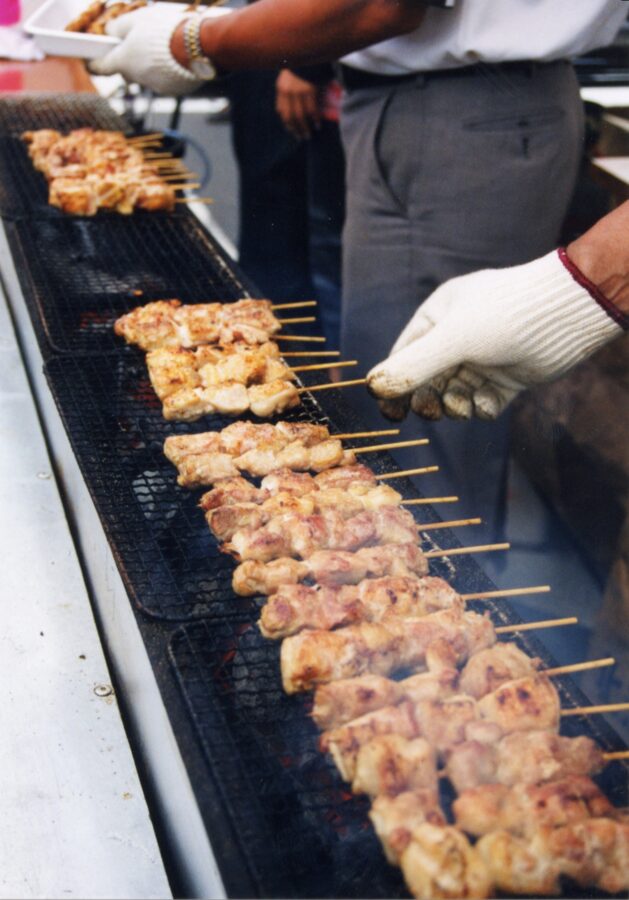
A strip of wood on a restaurant wall says 焼き鳥, and the first character has already told you how the kitchen works. 焼 is fire doing its job: grilled. The second, 鳥, is a bird. You have read yakitori (焼き鳥), grilled chicken, before the cook has turned a single skewer.
Most of a Japanese menu reads this way. A dish name is an ingredient, a shape or a place, then a cooking word at the end that says what happened to it. Learn a dozen endings and a dozen pantry words, and the board becomes a list of instructions.
In this article
What washoku means
The everyday word for Japanese food is washoku (和食). 和, wa, is the old name for Japan and the character for harmony; 食, shoku, is eating or food. Dictionaries define it by contrast: Japanese-style food as opposed to yōshoku (洋食), Western food cooked the Japanese way, and Chinese cooking, called chūka (中華).
The word is younger than it looks. It needed Western food to define itself against, and the oldest example quoted in the Nihon Kokugo Daijiten comes from a 1929 play by Kishida Kunio. The older and plainer term is nihon ryōri (日本料理), Japanese cuisine, which still names the restaurants.
What UNESCO actually listed in 2013
On 4 December 2013 UNESCO added “Washoku, traditional dietary cultures of the Japanese, notably for the celebration of New Year” to its Representative List of the Intangible Cultural Heritage of Humanity. Read the title again. It is not a list of dishes, not sushi and not the high cooking of Kyoto, but a social practice: how food is produced, cooked, shared and passed on, with New Year as the moment it shows most clearly.
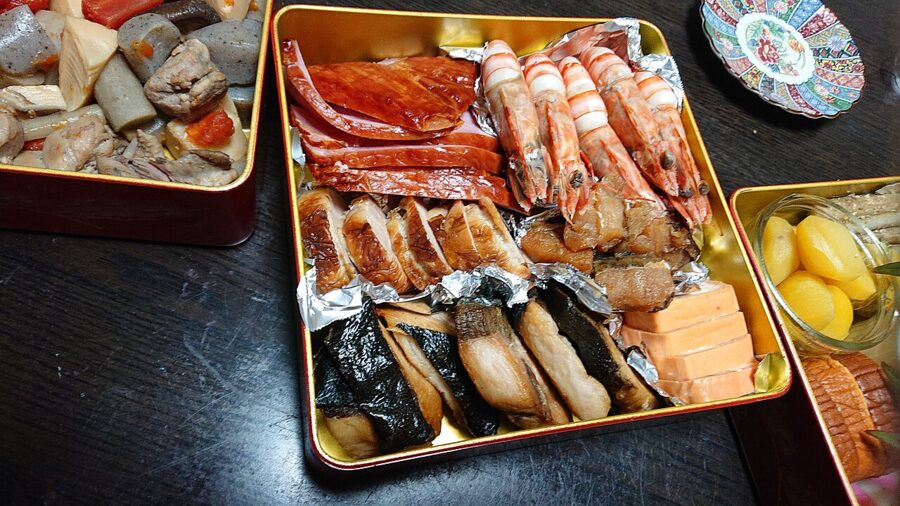
The Ministry of Agriculture, Forestry and Fisheries, which prepared the nomination, sums it up in four points. Fresh and varied ingredients from a long country running from snowy north to subtropical south (the geography and climate do half the cooking), used for their own flavour; a balanced diet built on one soup and three dishes; the seasons shown on the plate, in leaves, flowers and tableware; and close ties to the year’s festivals, above all New Year, when food is shared to bind families and neighbours.
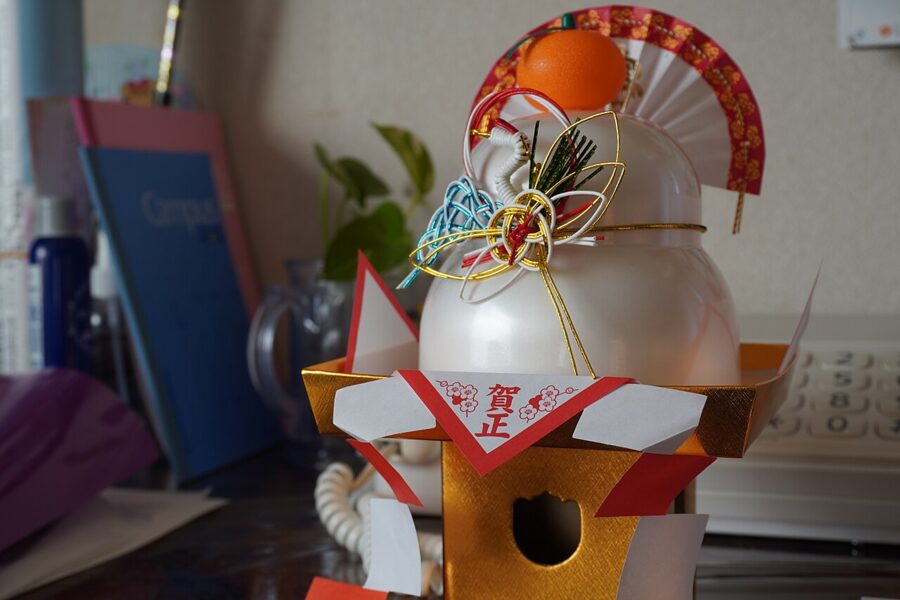
The listing has its own day. The Washoku Japan council, set up to look after the heritage, chose 24 November as washoku no hi (和食の日), because 11-24 can be read ii ni-hon-shoku, “good Japanese food”, and the ministry now treats the whole of November as washoku month.
Ichiju sansai: one soup, three dishes
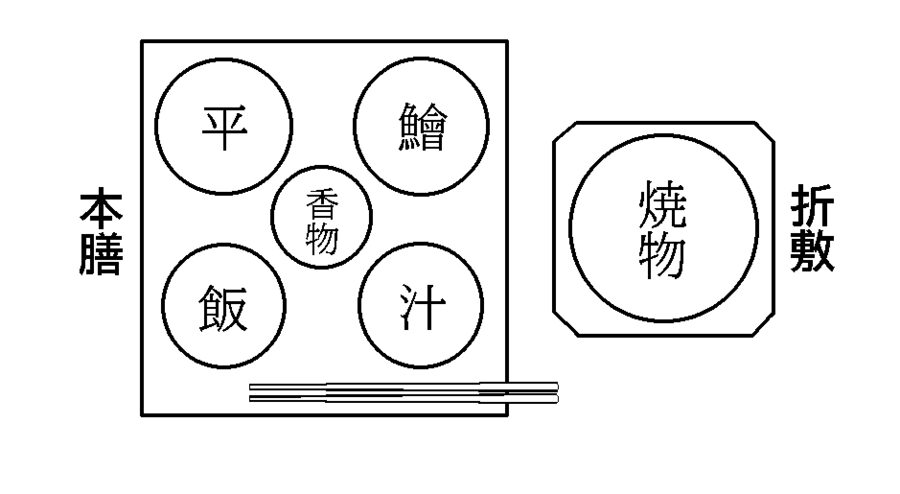
The meal shape the ministry points to is ichijū sansai (一汁三菜), one soup and three side dishes. 汁, shiru, is soup; 菜, sai, is a side dish, the same character as in yasai (野菜), vegetables. Rice and pickles are not counted: they are the frame, and the soup and three dishes are what goes in it.
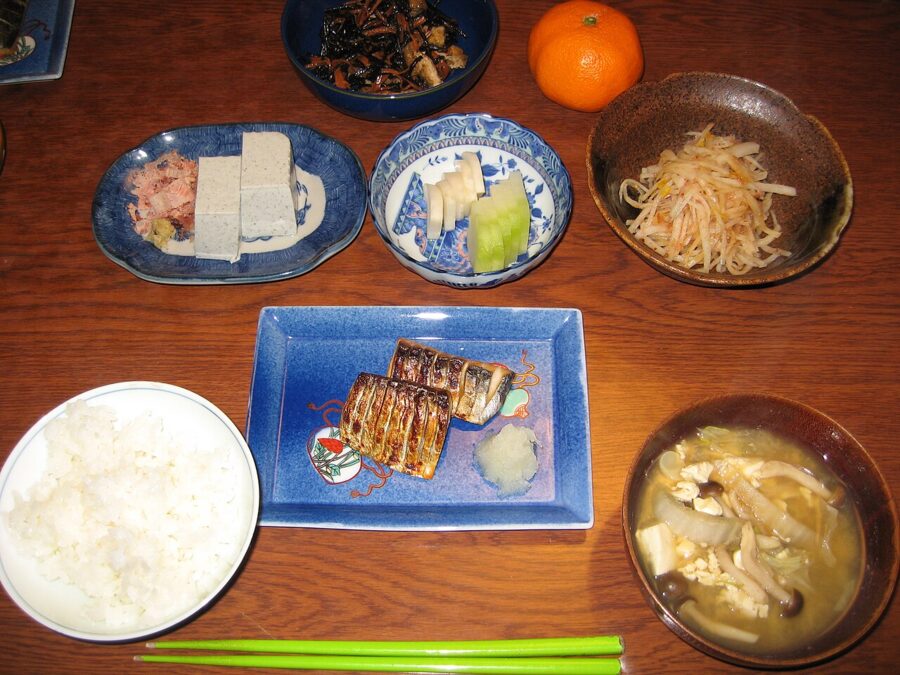
The pattern comes from honzen ryōri (本膳料理), the formal tray meals of the samurai houses. The dictionaries name the three dishes as namasu (膾), raw fish or vegetables in vinegar, hira (平), a simmered dish in a flat bowl, and yakimono (焼き物), something grilled, served on its own small tray beside the main one.
Is ramen washoku, then? In the dictionary sense, no: it came from Chinese cooking and still files under chūka. In the wider sense of nihonshoku (日本食), food as eaten in Japan, it is hard to think of anything more Japanese, and the argument is a good one to have over a bowl.
The endings that name the cooking
Japanese builds food words from the back. The final element is usually a verb turned into a noun, and it says what was done: 焼き from yaku, to grill or burn; 揚げ from ageru, to deep-fry; 煮 from niru, to simmer. Add 物, mono, “thing”, and you get the name of a whole class of dishes: yakimono, agemono, nimono.
| Ending | Kanji | Meaning | On a menu |
|---|---|---|---|
| -yaki | 焼き | grilled, pan-fried, baked | yakitori, teriyaki, okonomiyaki, takoyaki |
| -age | 揚げ | deep-fried | karaage, kakiage, agedashi-dōfu |
| -ni, -nimono | 煮, 煮物 | simmered | nizakana, nikujaga, kakuni |
| -mushi | 蒸し | steamed | chawanmushi, sakamushi |
| sunomono | 酢の物 | dressed in vinegar | kyūri no sunomono, namasu |
| -nabe | 鍋 | cooked in a pot at the table | yosenabe, motsunabe, chankonabe |
| -don | 丼 | a bowl of rice with a topping | oyakodon, katsudon, tendon, unadon |
| -men | 麺 | noodles | ramen, sōmen, reimen |
| -zushi | 寿司, 鮨 | with vinegared rice | makizushi, chirashizushi, inarizushi |
Fire and oil
-Yaki covers anything cooked by direct heat: over charcoal, on a griddle, in a pan. Teriyaki (照り焼き) is grilled with a glaze, the 照り, teri, being the shine of soy and mirin; tamagoyaki (卵焼き) is a rolled omelette and takoyaki (たこ焼き) octopus in griddled batter balls. Yakimono also means pottery: a pot is fired too.
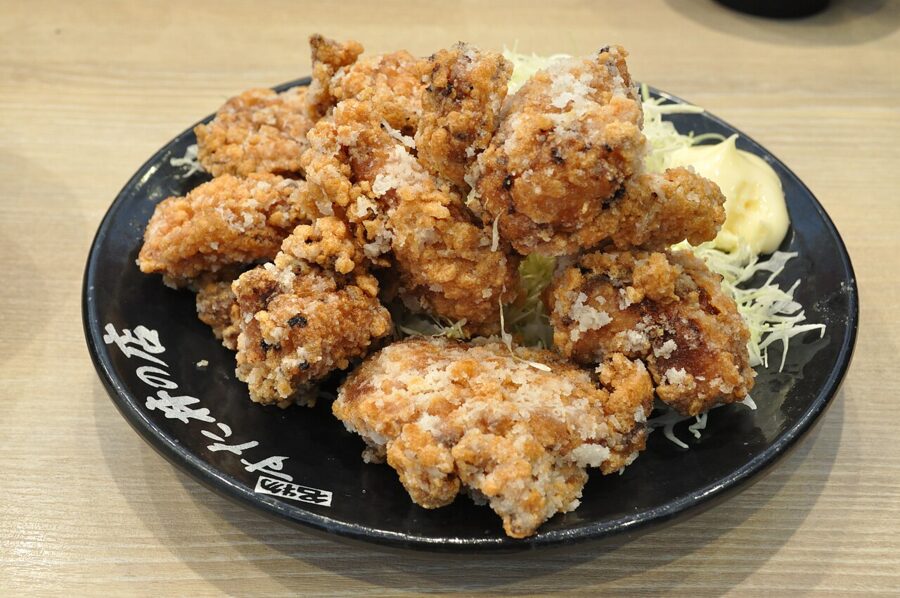
-Age is the deep fryer. Karaage (唐揚げ) is the bar staple of marinated chicken in a light coat of starch; the dictionaries give two spellings, 唐揚げ, “Chinese-style frying”, and 空揚げ, “empty frying”, with little or no batter, and both are still seen. Kakiage is a tangle of shredded vegetables fried as one fritter, and agedashi-dōfu is fried tofu sitting in dashi.
Simmered, steamed and vinegared
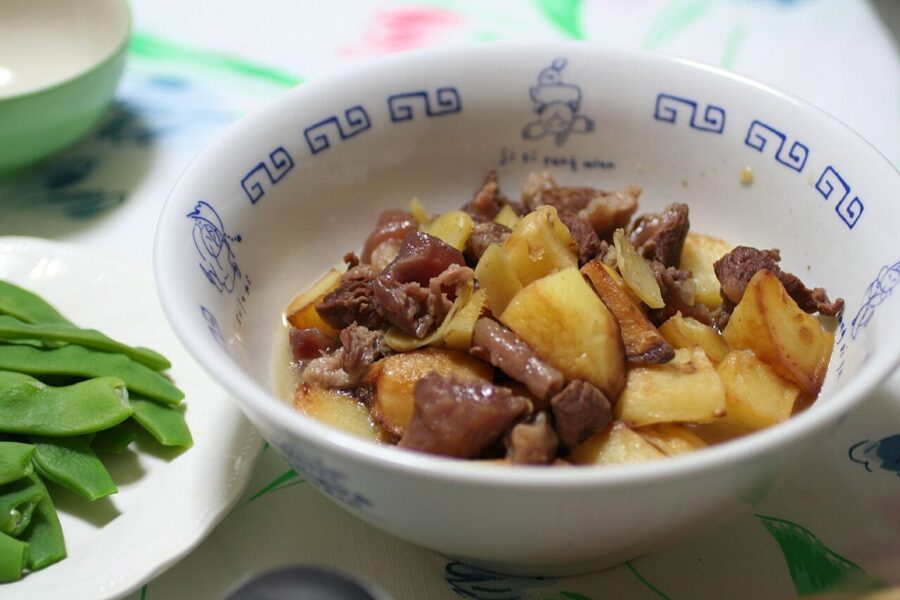
Nimono (煮物) are the simmered dishes, cooked gently in dashi seasoned with soy, mirin and sugar until the broth has gone into the food. Nizakana (煮魚) is simmered fish; nikujaga (肉じゃが), meat and potato, is the dish of home cooking, and its jaga is short for jagaimo, the potato, named after Jakarta, the port it was said to have come through.
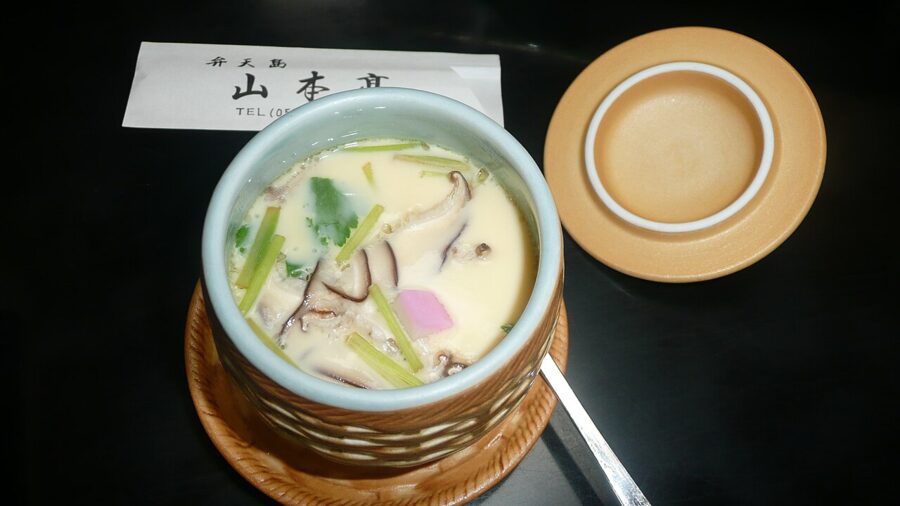
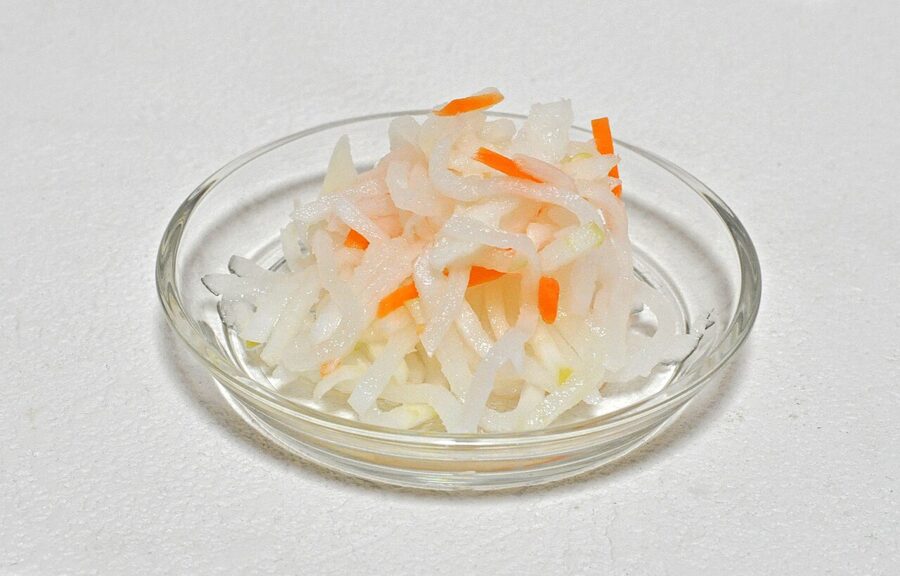
Mushimono (蒸し物) are steamed. The one you will meet first is chawanmushi (茶碗蒸し), “steamed in a tea bowl”, a savoury custard of egg and dashi set in a lidded cup with a prawn or a ginkgo nut at the bottom. Sunomono (酢の物), “vinegar things”, are small, sharp salads of cucumber, seaweed or octopus that clear the palate between richer plates.
Pots, bowls and noodles
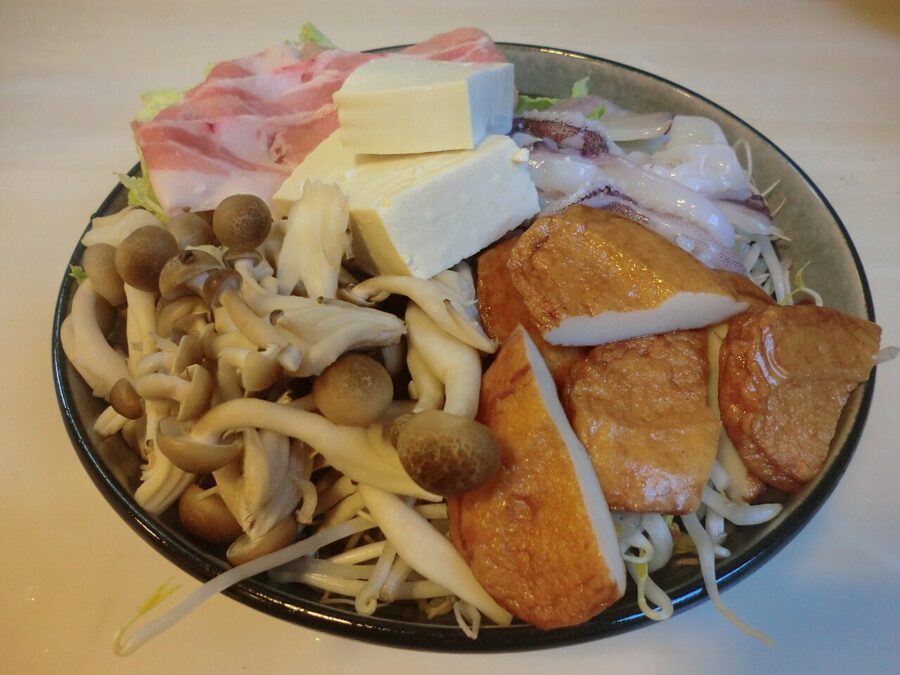
Some endings name the container instead of the cooking. 鍋, nabe, is a pot, and nabemono are dishes cooked in one at the table: yosenabe (寄せ鍋), “gathered pot”, takes whatever is to hand, motsunabe is offal in a Fukuoka broth, and chankonabe is the sumo wrestlers’ stew.
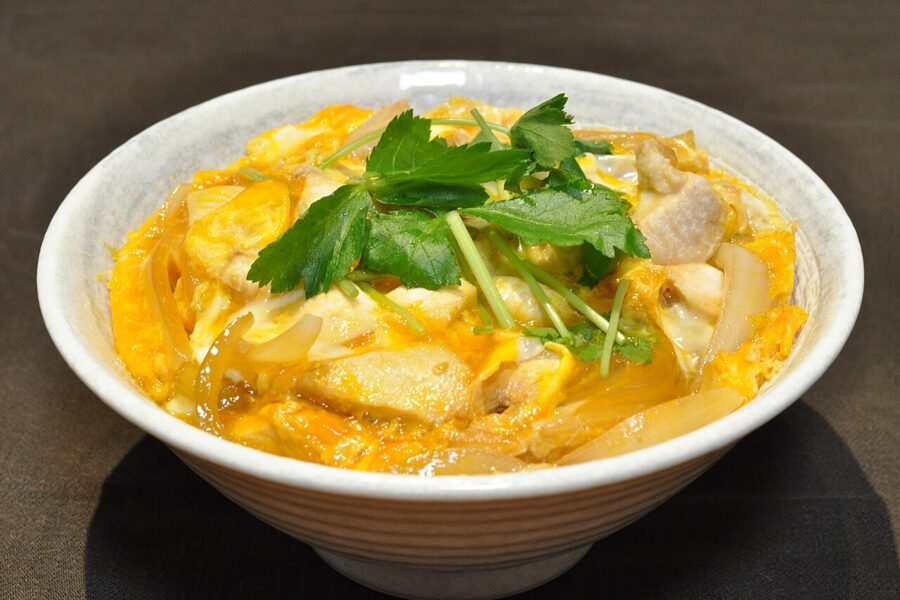
丼, don, is short for donburi, a deep bowl, and by extension a bowl of rice with something on top. Oyakodon (親子丼), “parent and child bowl”, is chicken and egg; tanindon, “strangers’ bowl”, swaps in beef or pork with the egg. Katsudon carries a pork cutlet, tendon tempura, unadon eel. The Nihon Kokugo Daijiten traces the word to the sound of something dropped into a well, the meaning a Chinese dictionary gives the character 丼; other references call that account unclear.
麺, men, means noodles, and appears whole in ramen, sōmen (素麺), the thin summer noodles served on ice, and reimen (冷麺), cold noodles of Korean origin. Menus often head a section 麺類, menrui, “noodle kinds”.
Why sushi becomes zushi
Put sushi after another word and it changes: makizushi, rolled; chirashizushi, scattered; inarizushi, in a pouch of fried tofu named after the fox deity Inari. This is rendaku (連濁), sequential voicing, which turns the first consonant of the second part of a compound into its voiced partner. It is why the dried fish in your dashi is katsuobushi, not katsuo-fushi.
Rendaku is a habit, not a law, and the menu shows it. Pork soup is tonjiru (豚汁), with the voiced -jiru, but the miso soup next to it on the same menu is misoshiru (味噌汁), and nobody says miso-jiru.
The pantry in words
Six words carry most of Japanese cooking: dashi, shōyu, miso, mirin, sake and rice.
Dashi and umami
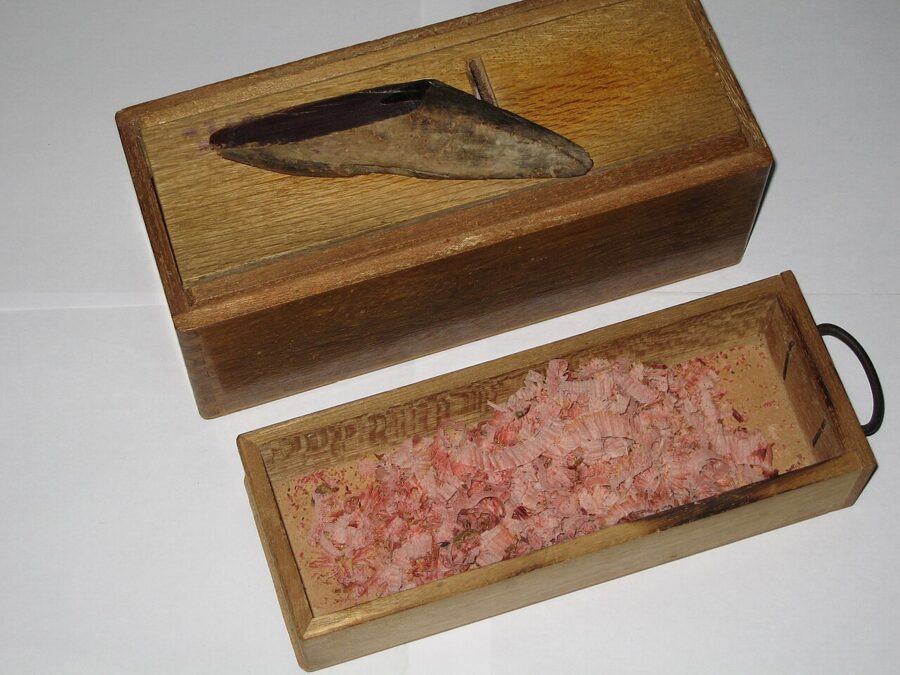
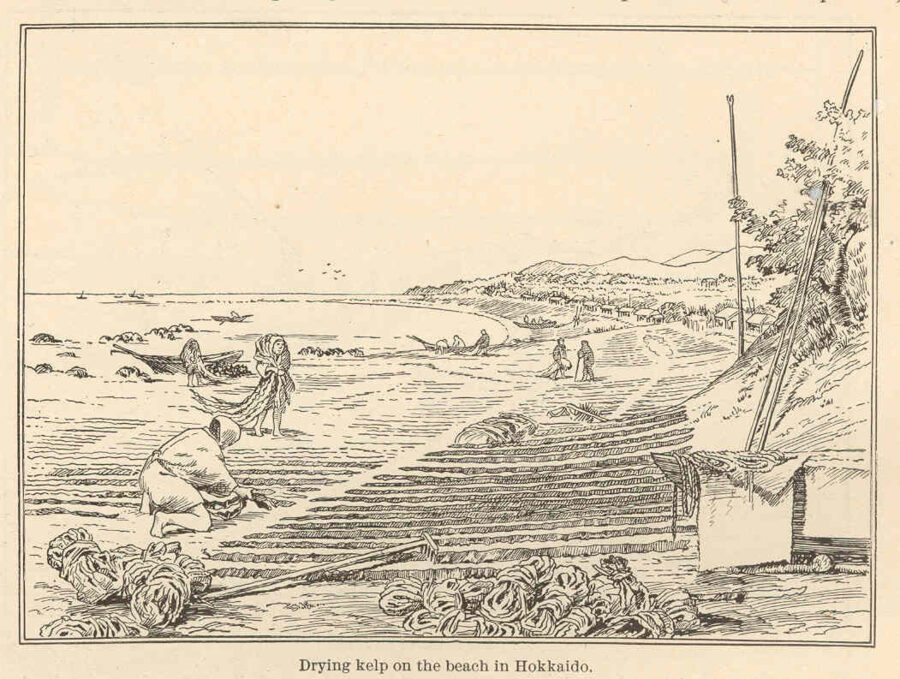
Dashi (出汁) is stock, and the word is a shortening of nidashi-jiru (煮出し汁), “liquid simmered out”. The dictionaries give the main sources as katsuobushi (鰹節), dried and smoked skipjack tuna shaved into flakes, and kombu (昆布), dried kelp. The first, gentle extraction, ichiban dashi, goes into clear soups; a second, harder boil of the same flakes, niban dashi, goes into miso soup and simmered dishes.
In 1908 Ikeda Kikunae, a chemist at Tokyo Imperial University, isolated glutamate from kombu dashi and named its taste umami (うま味), from umai, delicious. His student Kodama Shintarō found inosinate in katsuobushi in 1913, and Kuninaka Akira found guanylate, the taste of dried shiitake, in 1957, as the Umami Information Center records. That is why kombu and bonito go together: the two compounds strengthen each other.
Shoyu and miso
Shōyu (醤油), soy sauce, is written with 醤, hishio, an old word for fermented pastes of grain, beans or fish, and 油, oil, for the liquid. Most of what is sold is koikuchi (濃口), the dark all-purpose kind, about 84 per cent of shipments by the brewers’ own figures. About 13 per cent is usukuchi (淡口), the pale Kansai style: lighter in colour, so it keeps a broth clear, but saltier. Tamari, saishikomi and shiro share the rest.
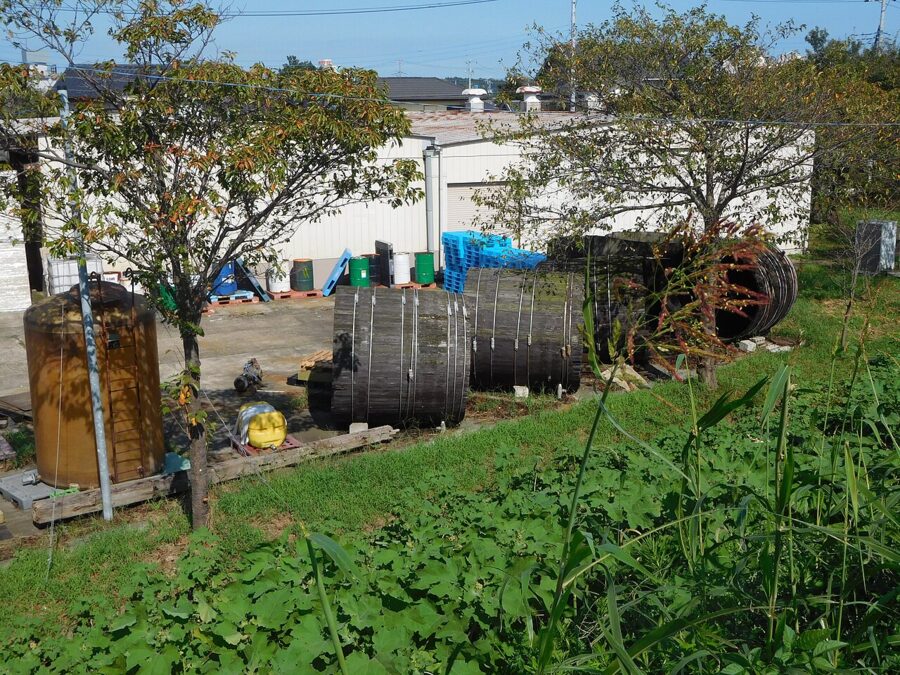
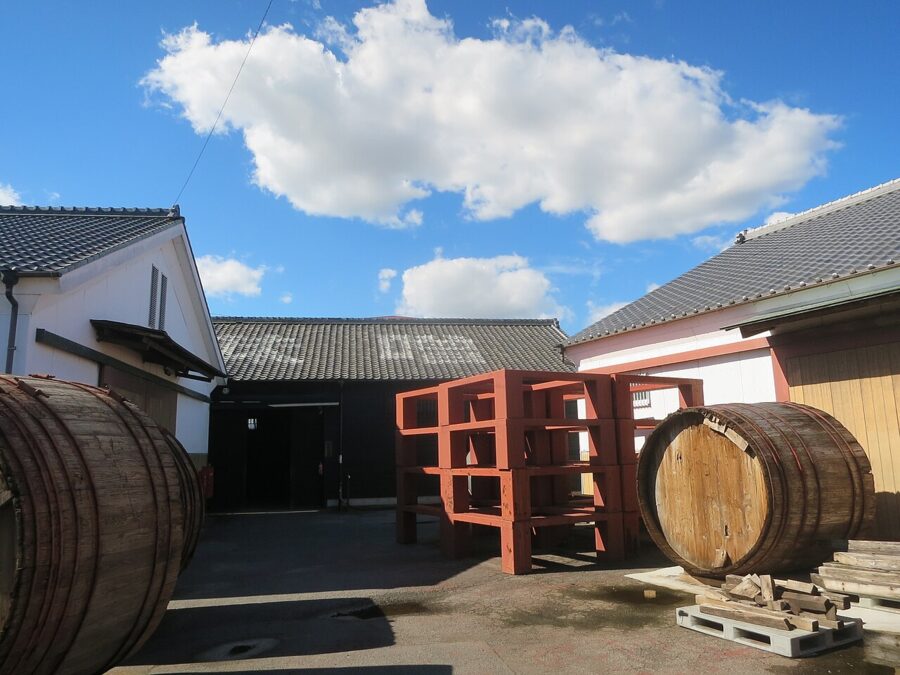
Miso (味噌) is fermented soybean paste, written with 味, taste, and 噌, a character used for almost nothing else. Its older written form, 未醤, appears in a tax register from Suruga province dated 738, kept among the Shōsōin documents. Miso is sorted by its grain: kome miso made with rice koji, mugi miso with barley, and mame miso from soybeans alone, and by colour from white and sweet to dark red and salty.
Mirin and sake
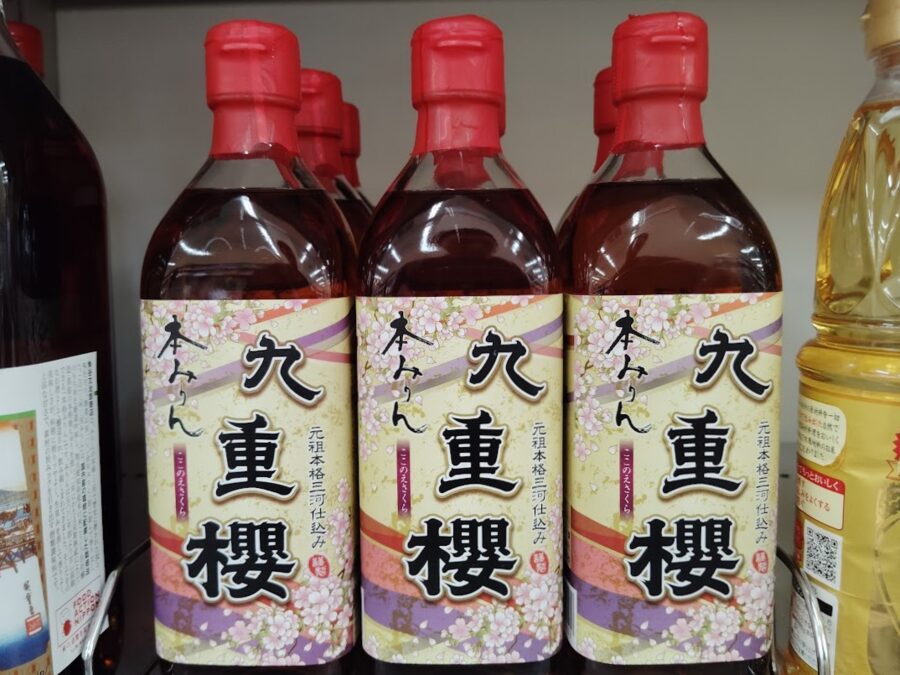
Mirin (味醂) is a sweet seasoning made from glutinous rice, rice koji and shōchū, left to sweeten and then pressed. Real hon mirin (本みりん) carries roughly 13 to 22 per cent alcohol, depending on the dictionary; mirin-fū chōmiryō, “mirin-style seasoning”, is the cheaper bottle with almost none. Where the word itself comes from, the references do not say.
Sake (酒) goes into the pan as well as the cup, and sakamushi is fish or clams steamed in it. In compounds 酒 reads shu, so cooking sake is ryōrishu (料理酒).
Three names for rice, and nori
Rice has three common names, and the menu cares which one you mean. Kome (米) is the raw grain in the sack. Gohan (ご飯) is cooked rice, the polite go- on 飯, and also means a meal: breakfast is asagohan, dinner bangohan. Meshi (飯) is the same character read plainly, the word of cheap diners and fried rice, yakimeshi; and on a Western-style plate with a fork, rice becomes raisu (ライス).
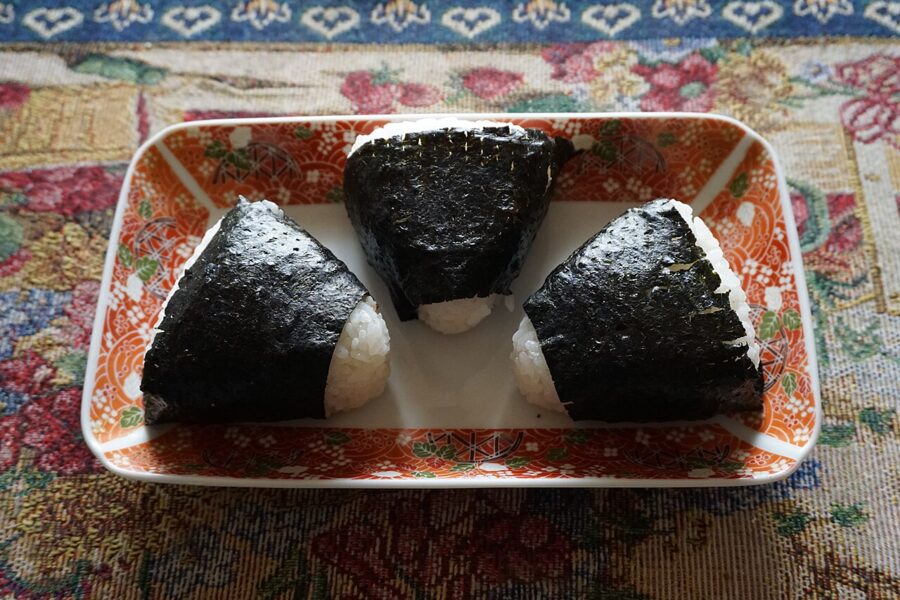
Nori (海苔) is written “sea moss”: 海 sea and 苔 moss, a pair of characters given a native reading they cannot spell, the kind of writing called jukujikun (熟字訓).
The main dishes, by how they are cooked
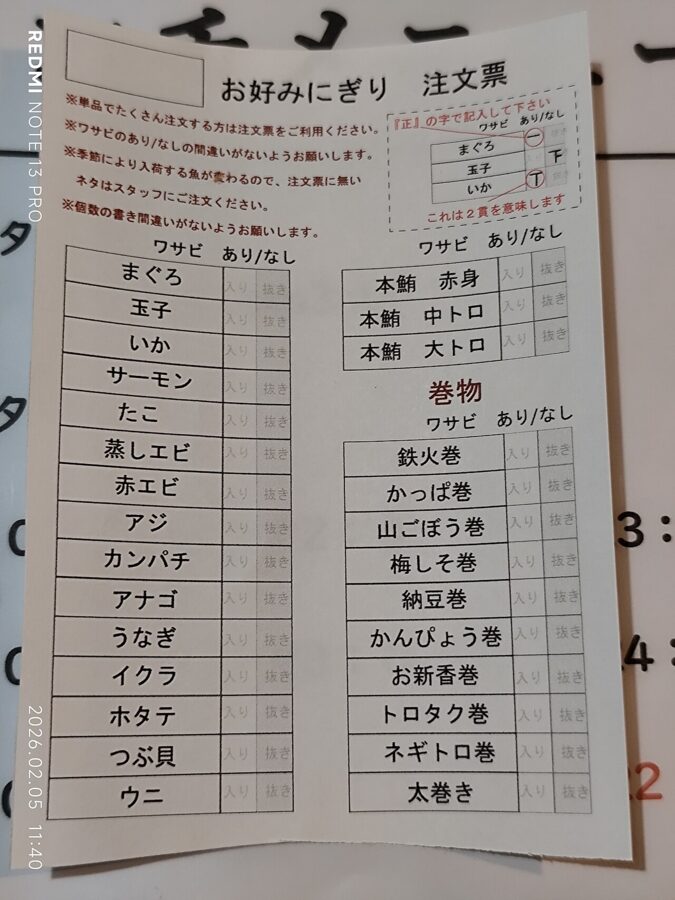
Sushi and sashimi
Sushi (寿司) is a rice word, not a fish word. The dictionaries derive it from sushi, the old adjective for sour, because the first sushi was narezushi, fish packed in salted rice to ferment for months. Vinegared rice made it quick in the early modern period, and hand-pressed nigirizushi appeared in Edo between 1804 and 1830. The spelling 寿司, “longevity” and “administer”, is a lucky phonetic borrowing; 鮨 and 鮓 are the older characters, and many sushi bars still hang 鮨 on the curtain.
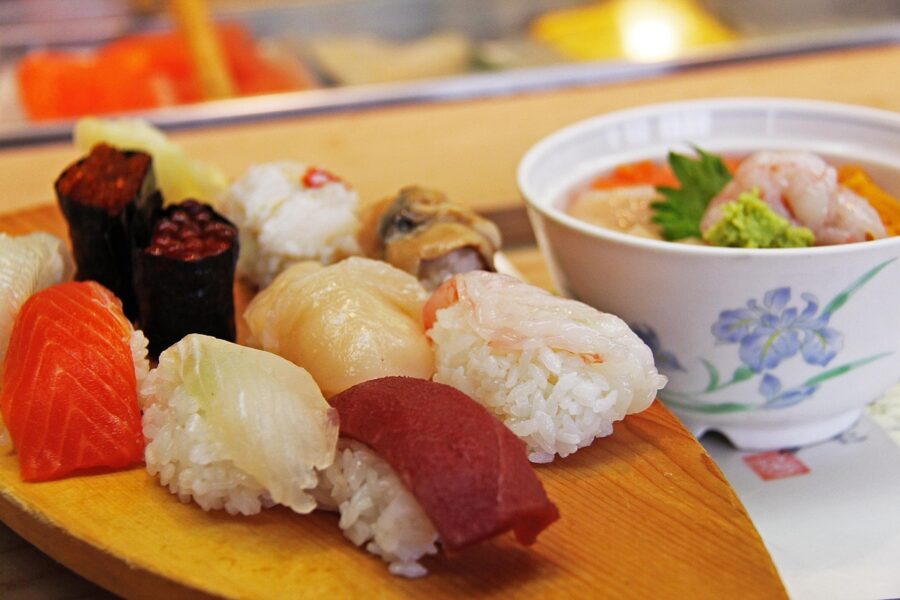
Sashimi (刺身) is raw fish sliced and served without rice, which is the whole difference people ask about. The parts are 刺, pierce, and 身, body or flesh; why “pierce” is a question with several answers and none the dictionaries settle. On a menu, moriawase (盛り合わせ) means an assortment, “heaped together”.
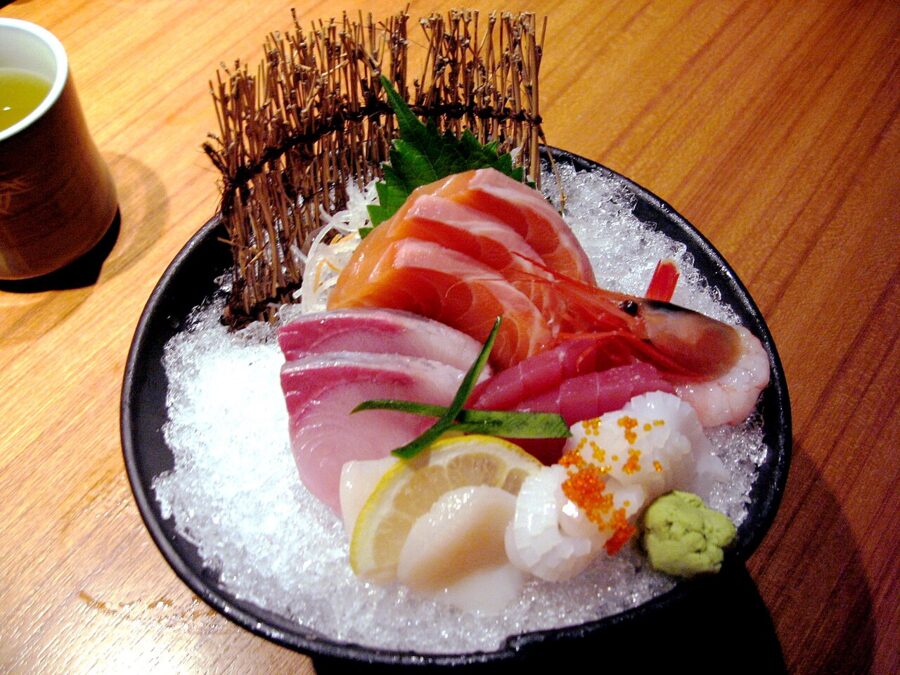
Tempura and tonkatsu
Tempura (天ぷら) arrived with the Portuguese, and the word may too. The dictionaries list Portuguese tempero, seasoning, Portuguese têmporas, the Ember days of fasting, and Spanish templo, and the fuller entries add that no document proves any of them. The earliest written form, tenpurari, dates from 1669, and the batter-fried Edo style is recorded by 1748. The story that Tokugawa Ieyasu died of eating it is a story.
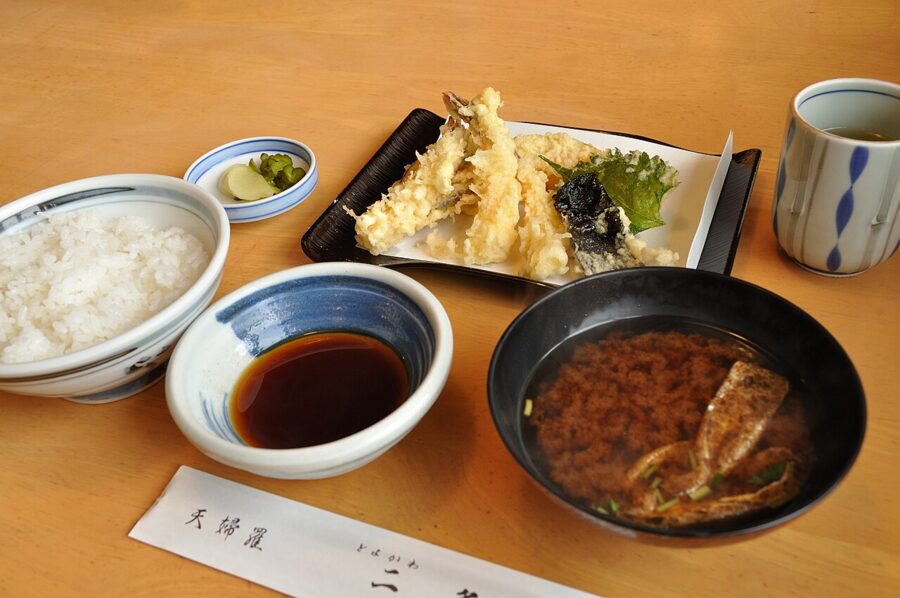
Tonkatsu (豚カツ) is a breaded pork cutlet: 豚, ton, pig, and katsu, clipped from katsuretsu, cutlet. It is a yōshoku dish by birth, which is why it comes with shredded cabbage and a Worcestershire-style sauce.
Okonomiyaki on the griddle
Okonomiyaki (お好み焼き) is the menu joke that explains itself: okonomi, what you like, and yaki, grilled. Batter, cabbage and whatever else you choose go onto a hot plate; in Osaka it is mixed and griddled as one cake, in Hiroshima built in layers over noodles. Both end under brown sauce, mayonnaise, green laver and bonito flakes that move in the heat.
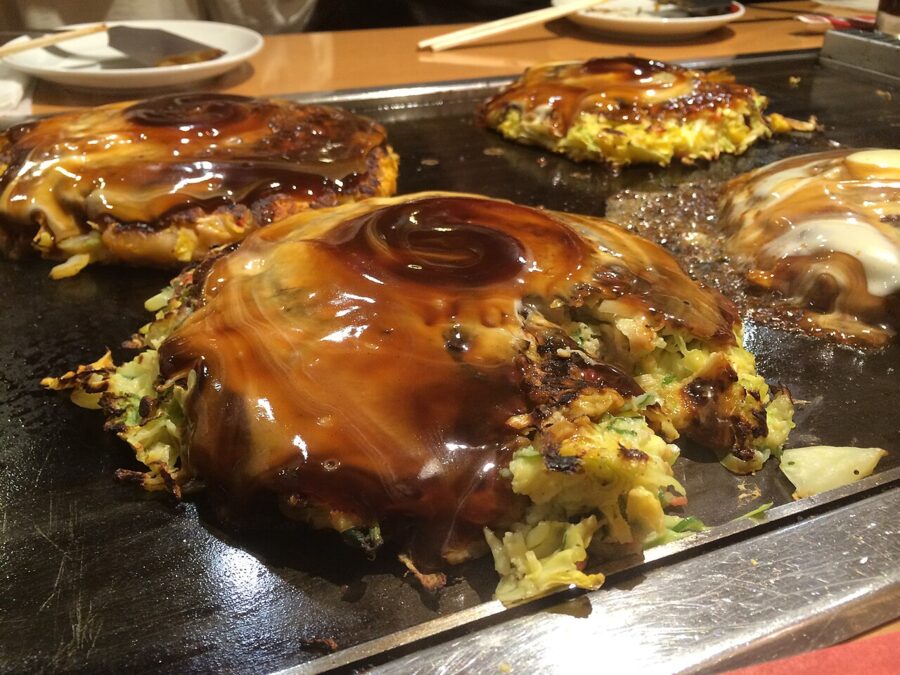
Sukiyaki and oden
Sukiyaki (すき焼き) is the famous case of a disputed name. The usual story makes suki a plough, 鋤, used as a griddle; an 1832 book on cooking whale meat does describe grilling on an old polished plough over embers. The encyclopaedias are wary of hanging the name on it. Meiji Tokyo knew the dish as gyūnabe (牛鍋), beef pot, and “sukiyaki” only took over the restaurant signs in the Taishō period.
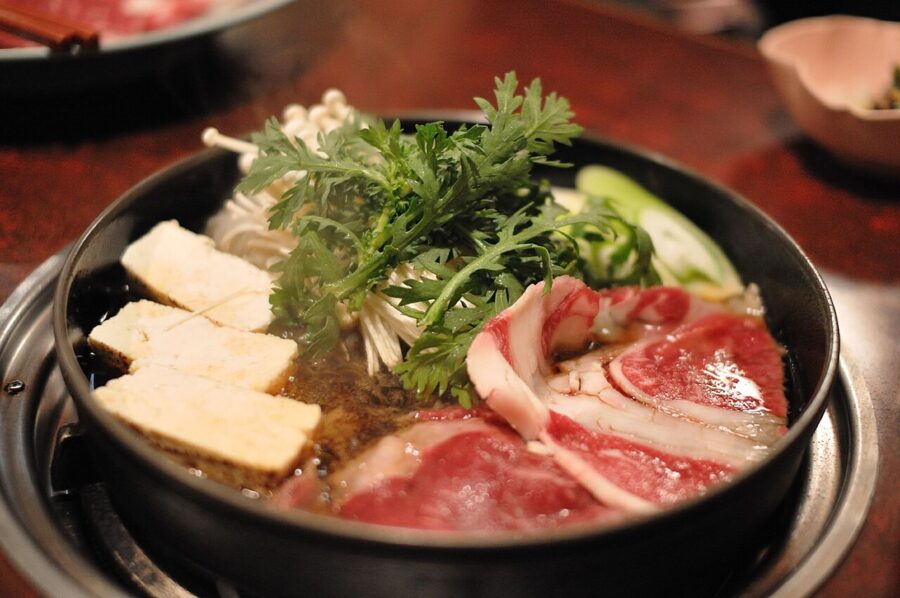
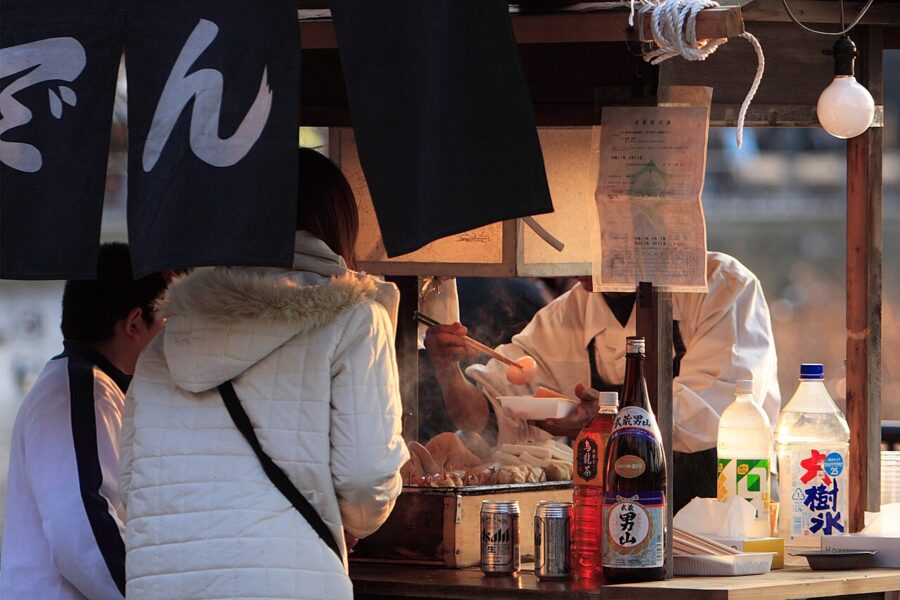
Oden (おでん) began as dengaku (田楽), tofu grilled on skewers and spread with miso, named after a rice-planting dance whose white and coloured costumes the tofu was said to resemble. Add the polite o-, drop the -gaku, and you have o-den; simmer it instead of grilling it and you have the winter stew of fish cakes, daikon, eggs and konnyaku. In Kansai it is sometimes still called kantō-daki, “Kanto simmering”.
Ramen, udon and soba
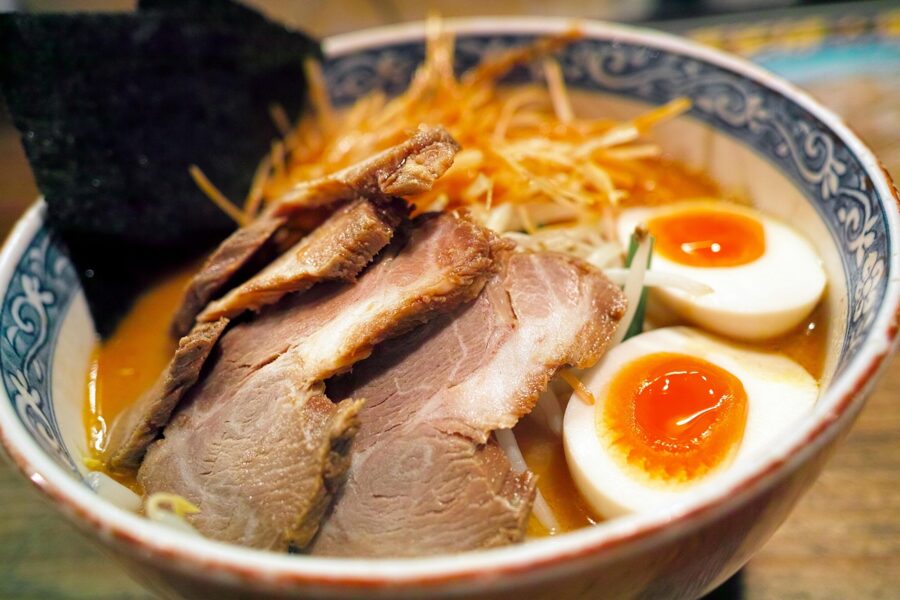
Ramen (ラーメン) is usually written in katakana, which tells you it is a borrowing. The dictionaries link it to Chinese 拉麺, lāmiàn, hand-pulled noodles. In the Meiji era the dish was shina soba or nankin soba and lived in the Chinatowns; after the war it was chūka soba, and “ramen” became the usual name only in the decade from 1955.
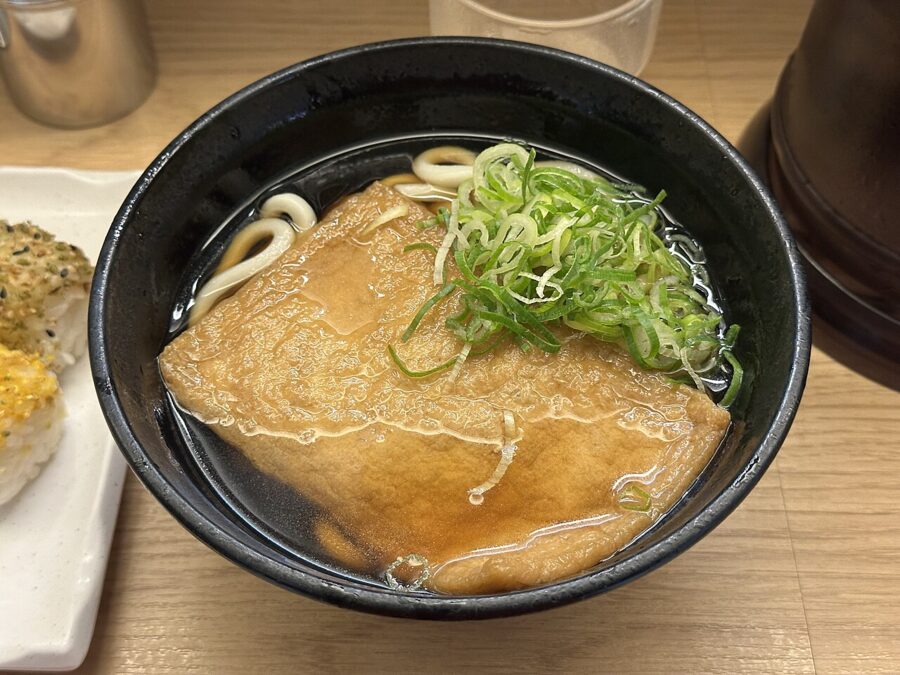
Udon (饂飩) are thick wheat noodles, and the characters are a puzzle the references solve two ways: from undon, a warm dumpling, or further back from Chinese 餛飩, the same word that became wonton. Kitsune udon, “fox udon”, is topped with sweet fried tofu, which foxes are said to love.
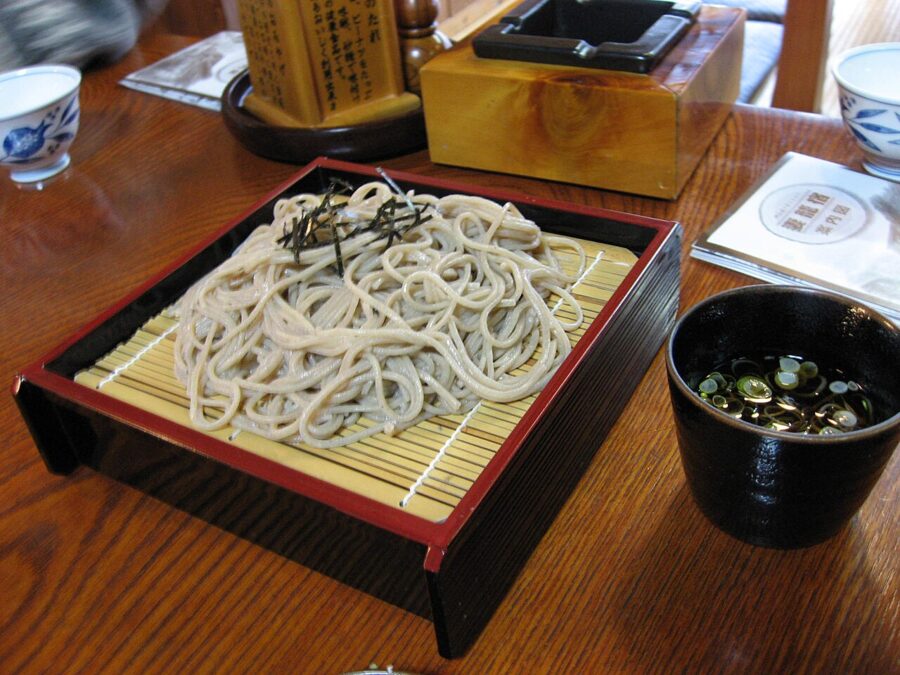
Soba (蕎麦) is buckwheat, and the name may be the shape of the seed: soba once meant an edge or ridge, and buckwheat has three. The plant is on record from 722; the noodle, at first called sobakiri, “cut soba”, spread in the late Middle Ages.
Kaiseki, twice
Two different words are both read kaiseki, and diners ask which is which. 懐石 is the meal served before the tea ceremony, simple and seasonal; the usual explanation is the warmed stone a Zen monk tucked into his robe, 懐, against hunger. 会席, “gathering seat”, is the banquet meal of the restaurant, served with sake and in many courses. Today’s grand ryokan dinner is the second, but the menu may use either.
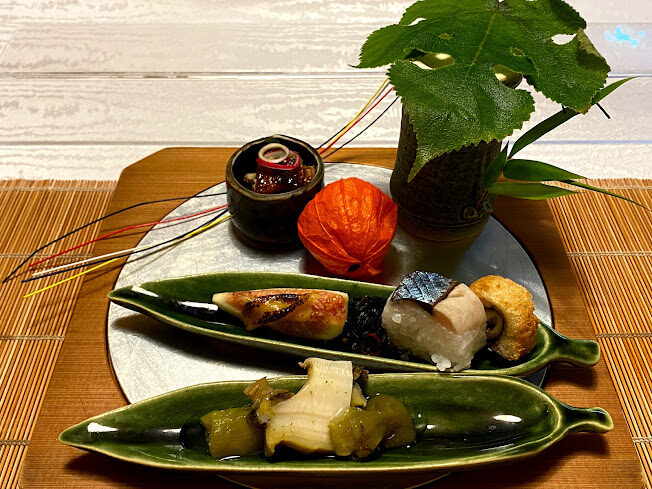
Reading a menu at the table
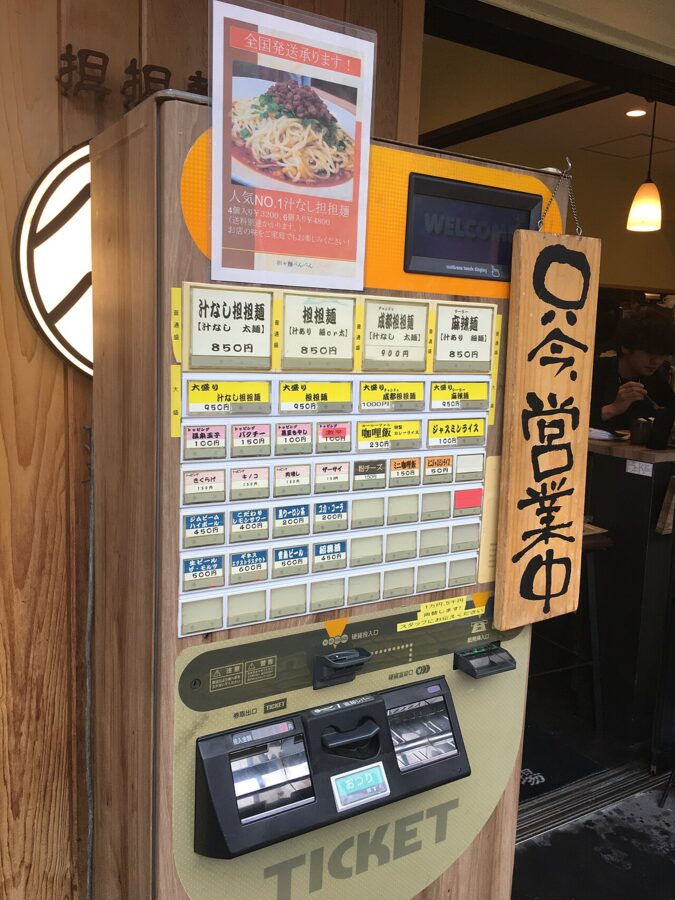
The menu itself is the oshinagaki (お品書き), “written list of items”, in older places, and メニュー in newer ones. The first choice it offers is between a set and single dishes.
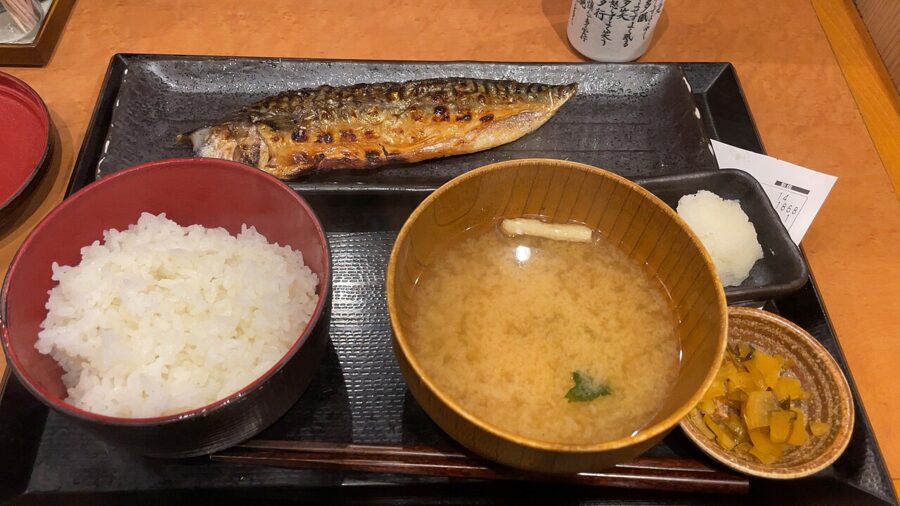
- Teishoku (定食), “fixed meal”: a main dish with rice, miso soup and pickles. The lunch staple; sakana teishoku is fish, karaage teishoku chicken.
- Tanpin (単品): à la carte, the dish alone.
- Omakase (お任せ), “I leave it to you”: the chef chooses, at sushi bars course by course. The price is usually fixed in advance; where the board says jika (時価), “market price”, ask.
- Okawari (お代わり): another helping. Gohan okawari jiyū on a teishoku menu means free rice refills.
- Ōmori (大盛り): a large portion. 並, 上 and 特上, nami, jō and tokujō, are regular, special and extra special, the grades of an eel or tempura bowl.
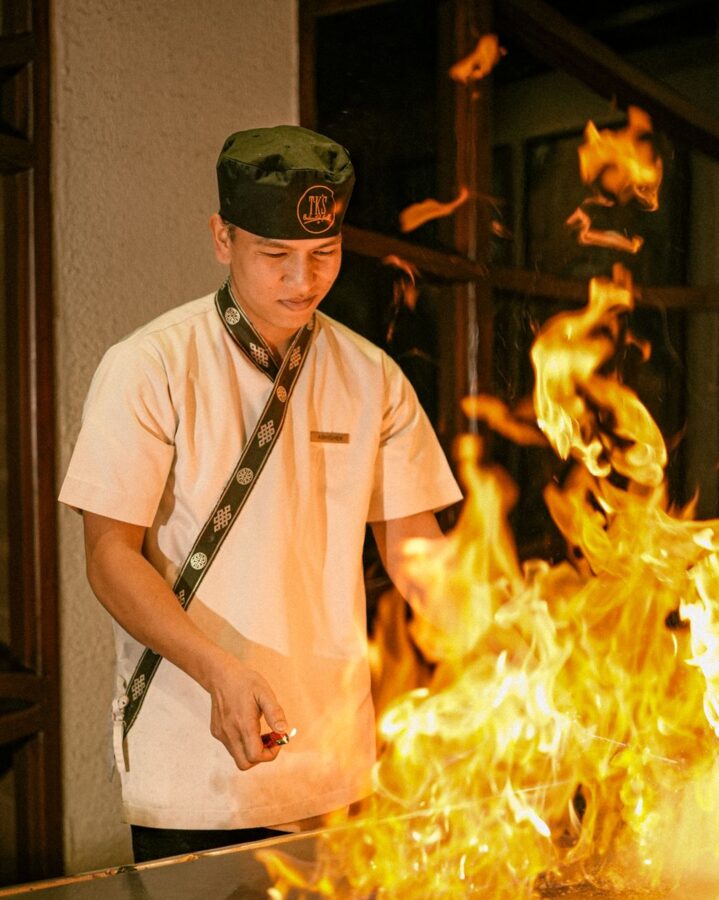
The cook behind the counter of a Japanese restaurant is the itamae (板前), “in front of the board”, meaning the chopping board.
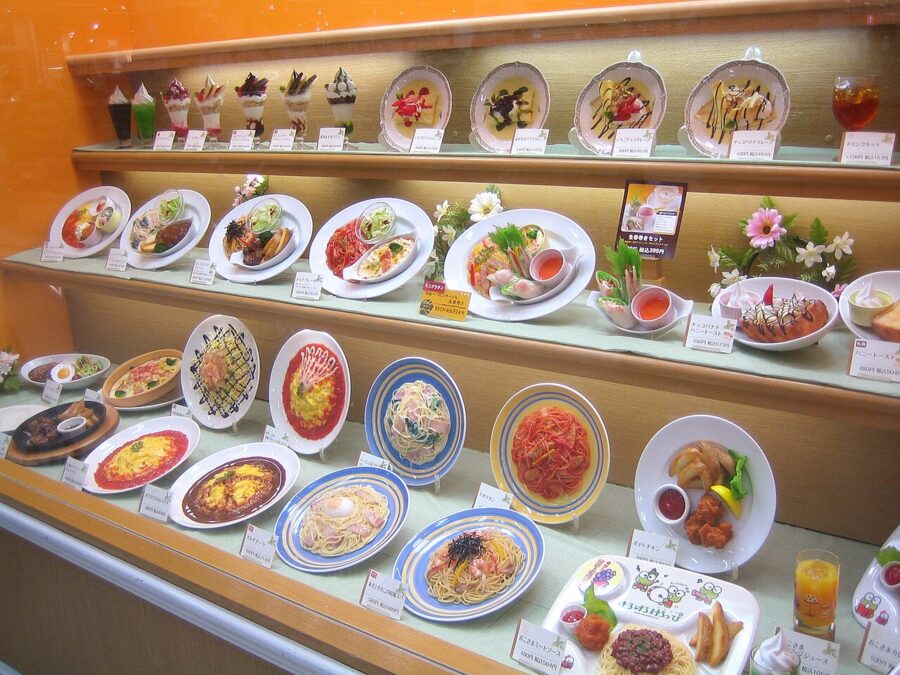
The plastic food in the window
Where the words fail, the window takes over. Shokuhin sanpuru (食品サンプル), “food samples”, are the replica dishes outside restaurants, made today from vinyl and resin. The craft is usually credited to Iwasaki Takizō, whose firm, founded in Osaka in 1932, began with a wax omelette; he came from Gujō Hachiman in Gifu, where model workshops still work.
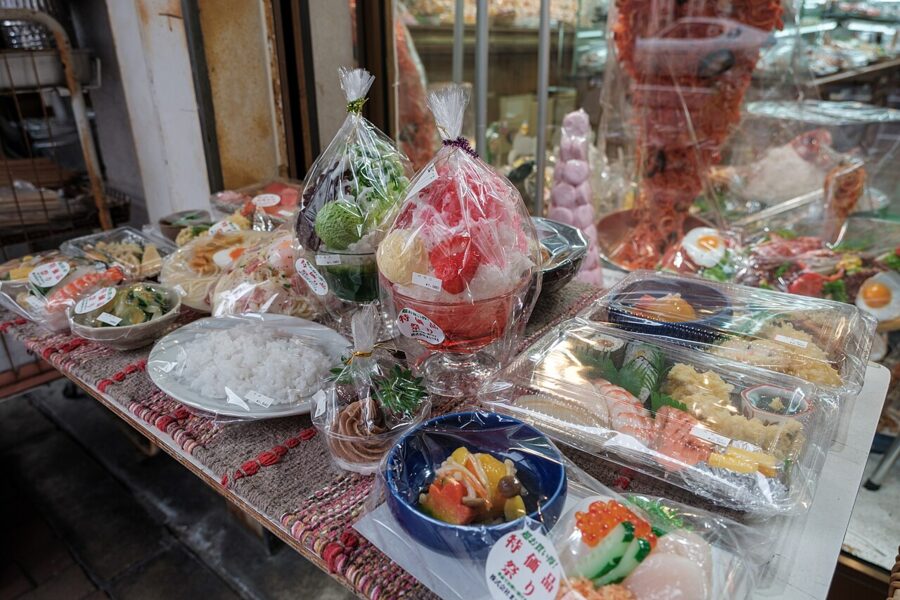
In Tokyo you can buy them on Kappabashi, the kitchen-supply street in Taitō ward between Ueno and Asakusa, where shops sell knives, lanterns, noren curtains and replica food to the whole restaurant trade.
Next time you see 焼き鳥 on a wooden tag, read it from the end. The bird is the ingredient, the fire is the method, and the rest of the board will come apart the same way, one ending at a time.