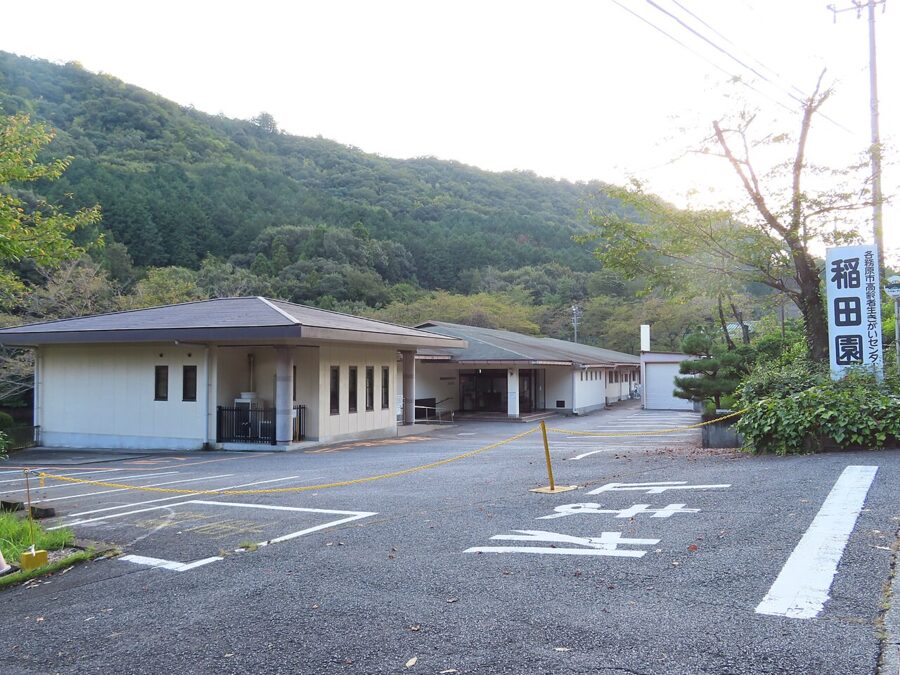
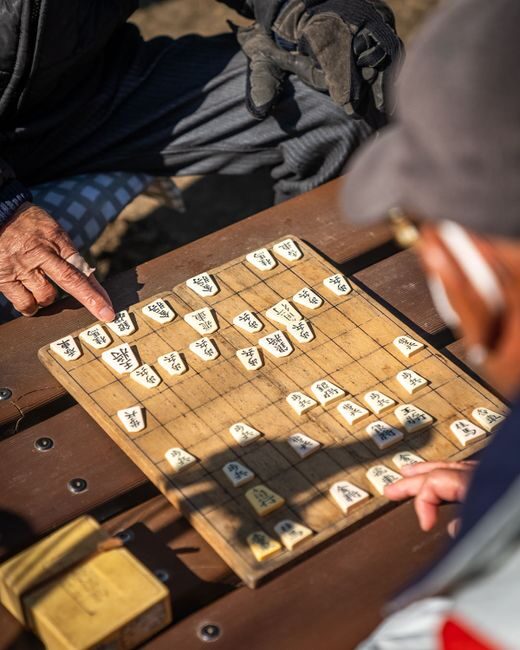
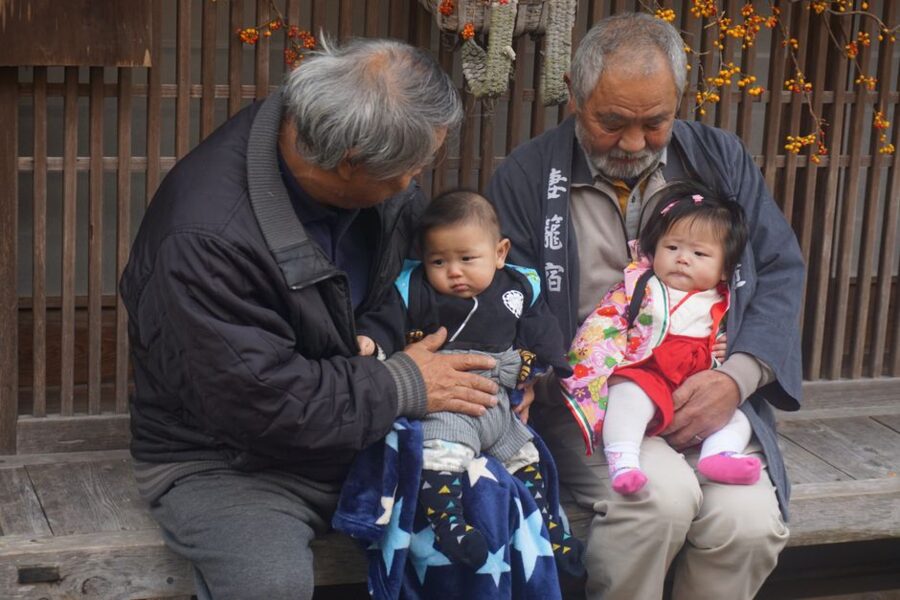
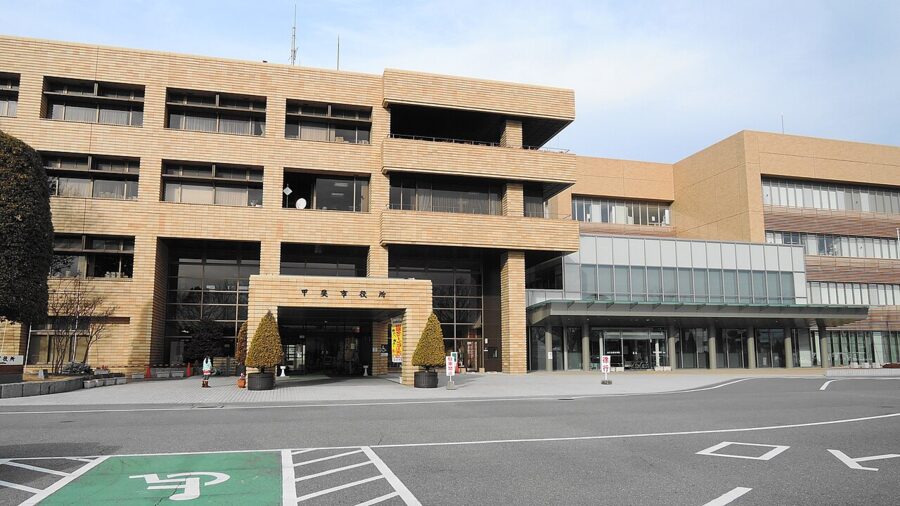
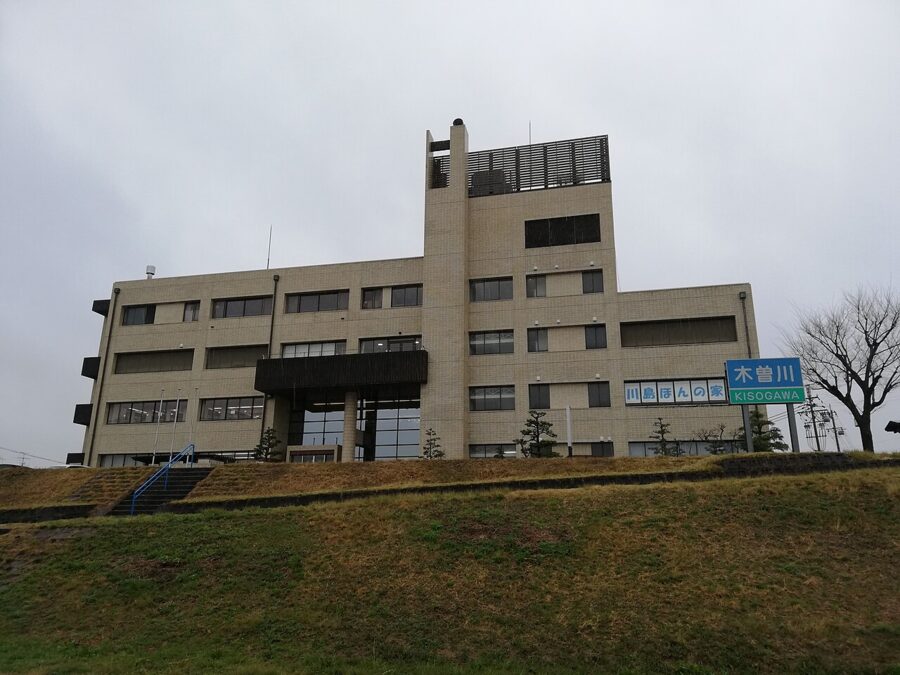
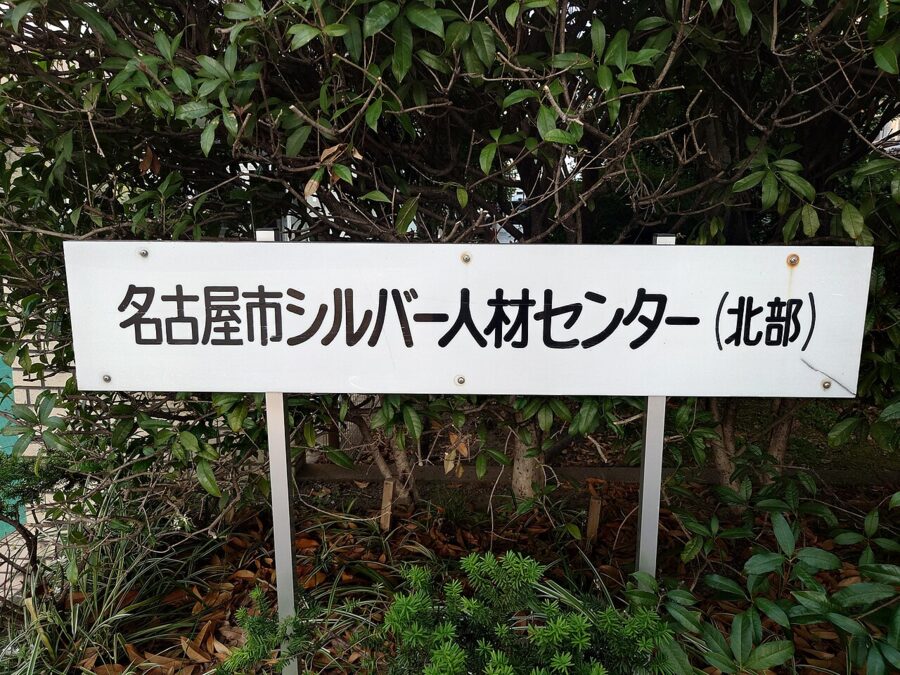
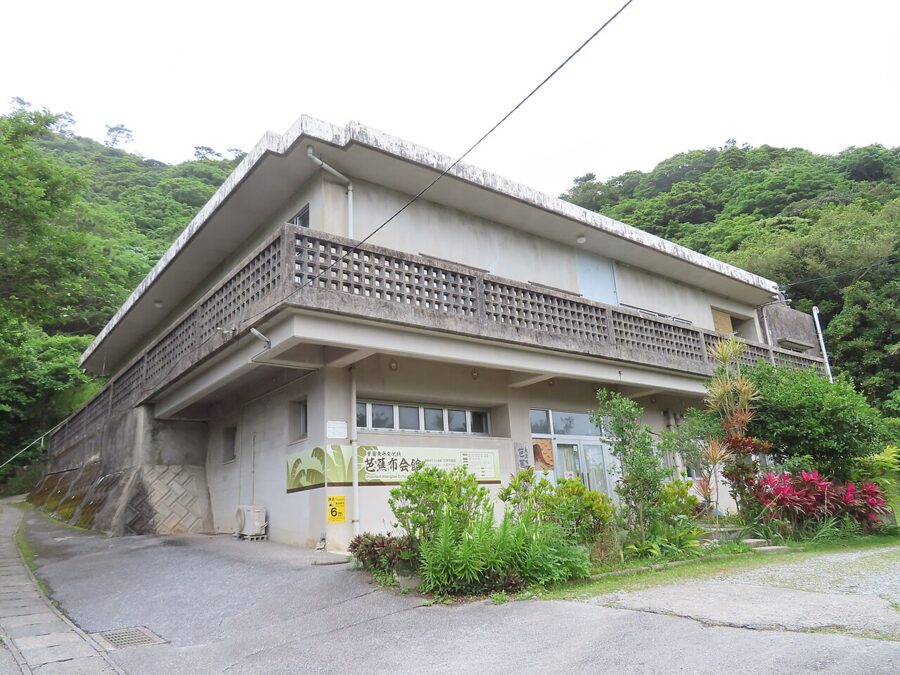
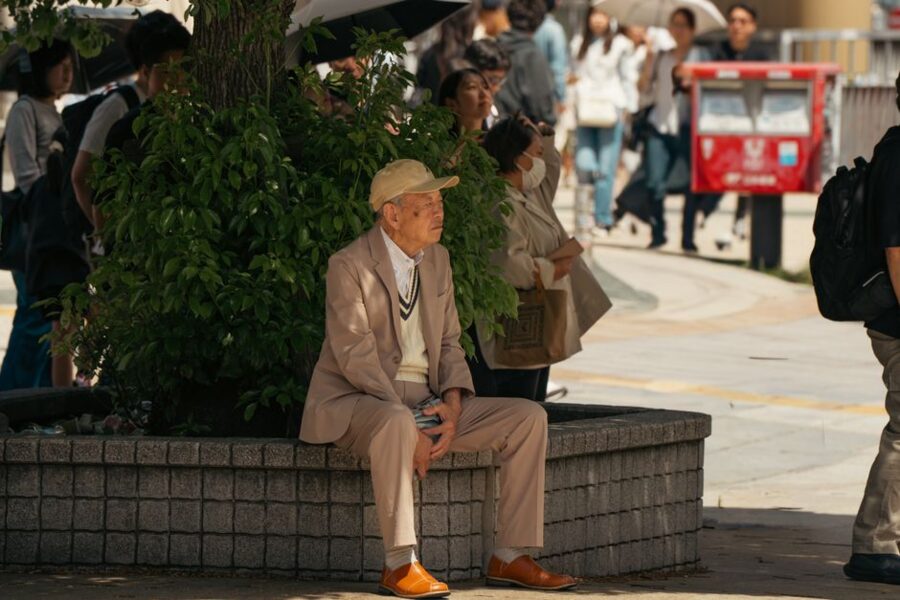
In Kakamigahara, a city on the Kiso River in Gifu, the council runs centres for older residents and calls them 高齢者生きがいセンター: ikigai centres for older people. The one at Inada-en is a low white building with a car park and a name board by the gate. Nobody there draws four overlapping circles. The word on the building is just the ordinary Japanese for whatever keeps you getting up: the shogi game after lunch, the tomatoes, the grandchildren who visit on Sundays.
English took the word ikigai (生き甲斐) and gave it a diagram, a book list and a promise of long life. Japanese has had it for at least six hundred years and uses it for something smaller and sturdier: a thing that makes living worth the effort. The Daijisen dictionary puts it in one line, 生きるに値するもの, “something worth living for”.
The word comes apart cleanly. One half is a verb, the other an old noun for what you get back, and the second half turns up in a whole family of everyday words that have nothing to do with purpose or Okinawa. Learn the family and ikigai stops sounding like a philosophy and starts sounding like Japanese.
In this article
生き甲斐 taken apart
生き, living
The first half is iki (生き), the stem of the verb ikiru (生きる), to live. 生 is one of the 80 characters children learn in the first year of primary school, the opening batch of the kyōiku kanji, and it has more readings than almost any other: sei, shō, ikiru, umareru, nama, ki and more besides. The き after it is okurigana, the kana tail that tells you which reading and which verb form you are looking at, one of the small machines of the Japanese writing system.
So 生き is “living” as a noun-ish stem, the same piece you find in 生き物 (ikimono, living thing) and 生き方 (ikikata, way of living). Nothing grand yet.
甲斐, what comes back
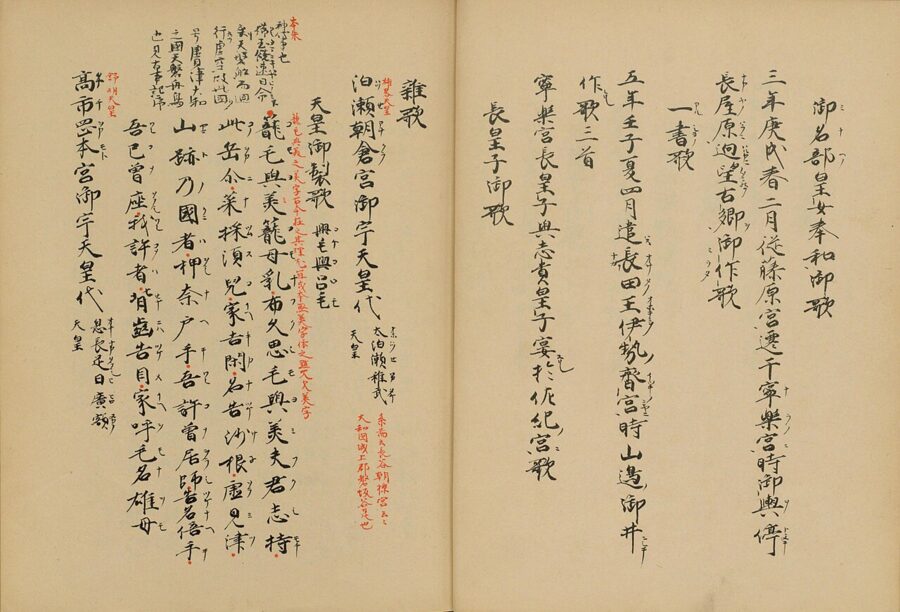
The second half is kai (甲斐), and here the story gets good. The Nihon Kokugo Daijiten, Japan’s largest historical dictionary, derives it from an old verb kau (代ふ), to exchange or stand in for. A kai is what you receive in exchange for what you put in: the effect of an action, the return on it, the satisfaction of having done it.
Its first quotation is a poem in the Man’yōshū (book 16, number 3810), where the poet brews good rice into wine and waits, and the kai, the return on all that waiting, is nothing at all, because the one awaited never came in person. Even there the word was written with 代, the character for “stand-in”. The oldest kai on record is a kai that never arrived.
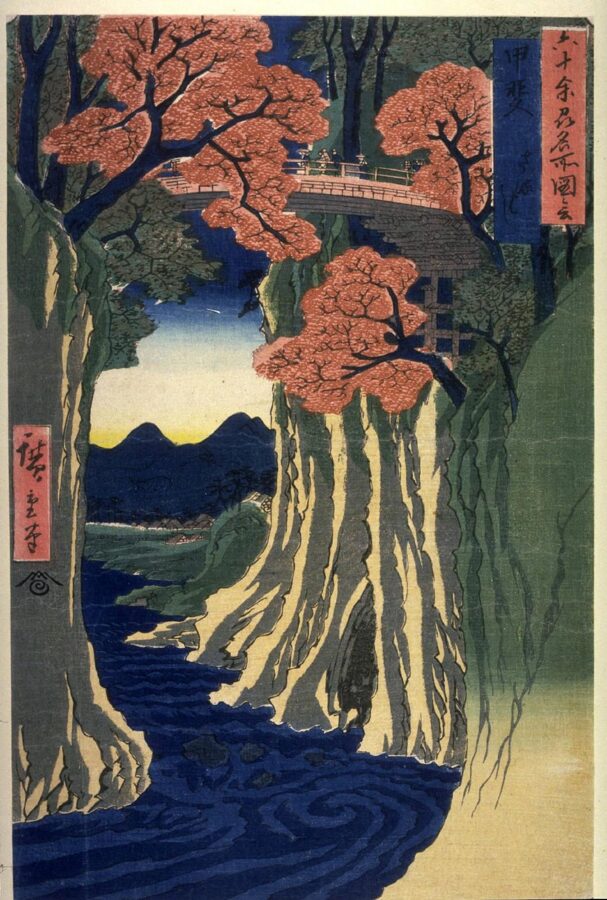
The characters 甲斐 have nothing to do with exchange. They are the name of Kai, the old mountain province west of Edo that is now Yamanashi, and they were borrowed for the word purely for their sound. That is ateji (当て字), spelling by sound, and the Daijisen dictionary prints the word with two warning marks: 甲 is not normally read か, and 斐 is not a jōyō character at all.
Why it is usually written 生きがい
Put 生き and 甲斐 together and the k of kai voices to g, a sound change called rendaku (連濁) that also turns hana into -bana in ikebana. Old spelling wrote the word いきがひ; modern spelling writes いきがい. Because 斐 sits outside the everyday list, government papers and most newspapers write the second half in hiragana: 生きがい. The Cabinet Office uses that form in its surveys.
You will also meet 生甲斐 without the き, an older habit, and in books a fully kanji 生き甲斐. All three are the same word. If you are writing it by hand, 生きがい is what most Japanese adults would write too.
The -gai family
Ikigai has relatives everywhere. The dictionary entry for -gai describes it as a word-building element that attaches mainly to the stem of a verb and means “the effect or reward of doing it”. Its earliest examples there come from the jōruri puppet plays of around 1700, long after the first ikigai, a reminder that a dictionary’s first date means “at least this old”.
| Word | Kana | Romaji | Meaning |
|---|---|---|---|
| 生き甲斐 | いきがい | ikigai | worth living; a reason to live |
| 遣り甲斐 | やりがい | yarigai | worth doing (a task, a job) |
| 働き甲斐 | はたらきがい | hatarakigai | worth working (a workplace) |
| 作り甲斐 | つくりがい | tsukurigai | worth making or cooking |
| 教え甲斐 | おしえがい | oshiegai | worth teaching (a pupil) |
| 言い甲斐 | いいがい | iigai | worth saying (to someone who listens) |
| 見せ甲斐 | みせがい | misegai | worth showing |
| 年甲斐 | としがい | toshigai | the good sense your age should bring |
| 友達甲斐 | ともだちがい | tomodachigai | what being a friend is worth |
The pattern is easy to hear. Take a verb stem, add -gai, and you have the reward of that action: yarigai (遣り甲斐), from yaru, to do, is the word on countless job adverts, as in やりがいのある仕事, a job worth doing. Hatarakigai (働き甲斐) is the same idea pinned to a workplace. Tsukurigai (作り甲斐) belongs in a kitchen: おいしそうに食べてくれるから作りがいがある, “they eat it with such relish that it’s worth cooking for them”.
Nouns take it too, and these are the ones that sound most Japanese. Toshigai (年甲斐) is the sense your years should have given you, and it nearly always appears in the negative: 年甲斐もなく, “at my age, I should have known better”, said after shrieking on a roller coaster. Tomodachigai (友達甲斐) is what a friend is worth, usually in a complaint: 友達甲斐がないな, “some friend you are”.
Kai ga aru, kai ga nai
Kai also stands alone, and then it keeps its k. After a full verb in the past tense it means “it paid off”: 早起きした甲斐があった, hayaoki shita kai ga atta, getting up early was worth it. 待った甲斐があった, the wait was worth it, is what people say when the ramen finally arrives after forty minutes in the queue.
The negative is just as common. 甲斐がない, kai ga nai, means there was no point, and the adjective kainai (甲斐無い) runs back to the Tale of the Bamboo Cutter around 900. Rule of thumb: glued to a verb stem it is -gai, after a complete verb it is kai, and either way it is the same word for the return on an effort.
Two more relatives are worth knowing. Kaigaishii (甲斐甲斐しい) describes someone brisk and devoted, a nurse or a parent getting things done, as in 甲斐甲斐しく看病する, to nurse someone tirelessly. Kaishō (甲斐性) is the get-up-and-go to earn a living, and 甲斐性がない is a sharp thing to say about a husband.
Six centuries of a word
Ikigai is much older than the self-help shelf. The Nihon Kokugo Daijiten entry gives it two senses with two very different first appearances. The first, “the worth of being alive, the meaning of a life”, is quoted from the Taiheiki, the 14th-century war chronicle, in book 11.
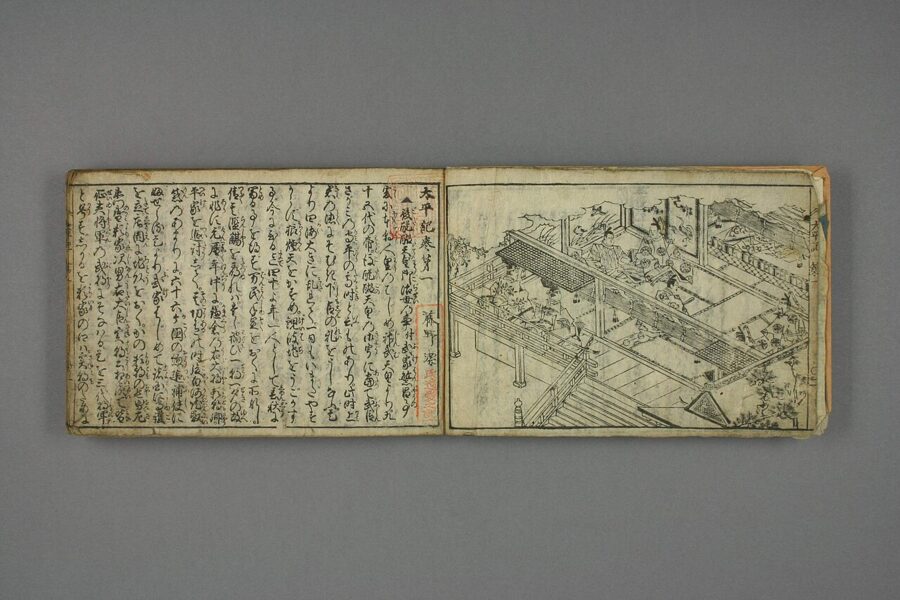
The context is not cheerful. Book 11 covers the aftermath of the Kamakura shogunate’s fall in 1333, and the line describes warriors who used their connections to surrender 生甲斐なき命を続がん為に, “to keep going a life with no ikigai left in it”. Like kai in the Man’yōshū, ikigai enters the written record in the negative, as something missing.
The second sense, the feeling of having something to live for, is first quoted from Kuroshio (1902-05), a novel by Tokutomi Roka. A character explains that as long as he is alive he has to earn a living, and the other asks: 其で生き甲斐があるのかエ, “and is there any ikigai in that?” That question, asked in late Meiji, is the modern word.
Through the 20th century the word followed the country. The Heibonsha encyclopaedia’s entry notes that prewar ikigai centred on serving the nation and society, while postwar Japanese turned to a happy home, health and a life that suits your hobbies. The word stayed the same; what people put inside it changed.
Kamiya Mieko and the island
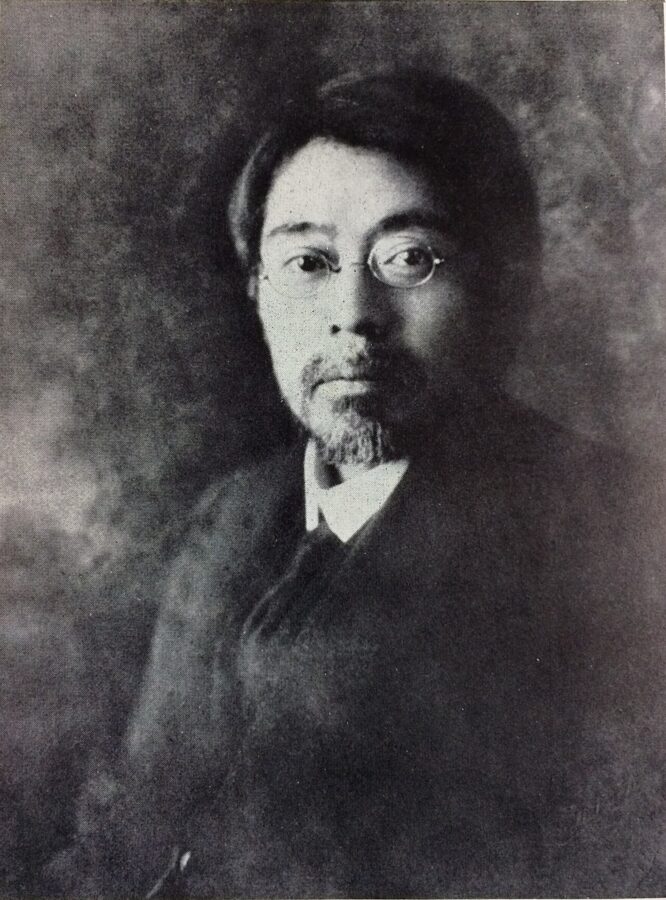
The book that made ikigai a subject was 『生きがいについて』, On Ikigai, published by Misuzu Shobō in 1966. Its author, Kamiya Mieko (1914-1979), was a psychiatrist who from her forties worked with patients at Nagashima Aiseien, the national sanatorium for Hansen’s disease on an island off Okayama, and became a chief physician there in 1965. The book asks how people who had lost family, health and freedom still found something to live for.
Kamiya thought the word was peculiarly Japanese: translated, it could only become “worth living” or “the value or meaning of life”. She also split it in two. 生きがい can be the source, as in この子は私の生きがいです, “this child is my ikigai”, or the feeling itself, which she called ikigai-kan (生きがい感), the sense of having it. Japanese reference works treat the book as the starting point of the whole genre of writing on ikigai.
Ikigai in a government survey
Today the word’s most regular home is official. Japan’s 2026 white paper on the ageing society reports a survey taken between September and November 2025 that asked people over 65 in four countries whether they feel ikigai, defined as “really feeling the joy and pleasure of being alive”. In Japan 64.0% said they did, against 82.2% in the United States, 63.8% in Germany and 88.0% in Sweden. The Japanese figure was lower than in the previous round of the survey in 2020.
The same survey asked when people feel it. In Japan, Germany and Sweden the top answer was time with family, children and grandchildren; in the United States it was chatting with friends. The survey’s question needed no diagram: older people were simply asked when they feel it.
Where the four circles came from
The diagram is not Japanese, and its own makers say so. The four circles (what you love, what you are good at, what the world needs, what you can be paid for) were drawn in 2011 by the Spanish astrologer Andrés Zuzunaga as a chart of propósito, purpose, and first printed in 2012 in a Spanish self-help book by Borja Vilaseca. There was no Japanese word in it.
On 14 May 2014 Marc Winn, a writer and entrepreneur in Guernsey, posted “What is your ikigai?” on his blog, with the same chart and “ikigai” written in the centre. The post pointed readers to Dan Buettner’s 2009 TED talk on long-lived communities, which named ikigai as one reason Okinawans live so long. Winn has since added a note to the post saying the diagram is Zuzunaga’s and his only contribution was the word.


Héctor García and Francesc Miralles printed Winn’s version in their 2016 book Ikigai, written after interviews with older residents of Ōgimi, a village in the north of Okinawa Island in the Ryukyu Islands, and the “ten rules of ikigai” that fill search results come from that book too. It sold in the millions. Japanese speakers shown the chart often don’t connect it with the word at all, because in Japanese nothing about ikigai requires skill, payment or the world’s approval. A grandmother’s ikigai can be her grandson, full stop.

None of this makes the chart useless as a career exercise. It just isn’t what the word means. Ikigai went abroad and came back changed, the same journey wabi-sabi made from poetry and tea to furniture catalogues.
How to say it
In a sentence, ikigai is a noun that takes が, を or に like any other. The commonest frames are short:
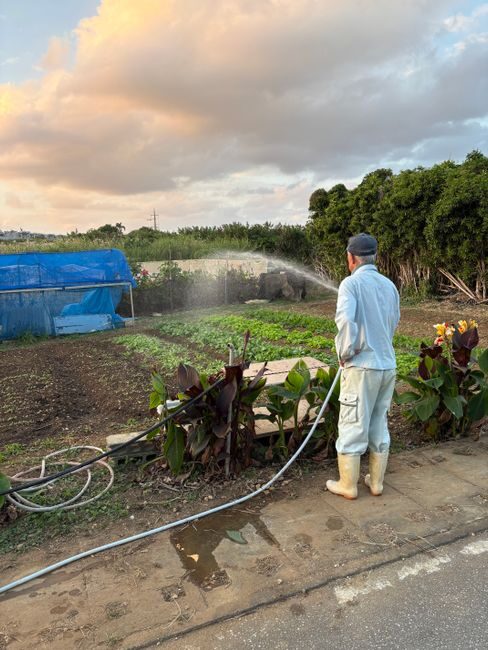
- 孫の成長が生きがいです。Mago no seichō ga ikigai desu. Watching my grandchildren grow up is my ikigai.
- 父は定年後、釣りを生きがいにしている。Chichi wa teinen-go, tsuri o ikigai ni shite iru. Since retiring, my father has made fishing his ikigai.
- 母は週二回のコーラスに生きがいを感じている。Haha wa shū nikai no kōrasu ni ikigai o kanjite iru. My mother finds her ikigai in choir twice a week.
- 仕事を辞めてから、生きがいをなくしてしまった。Shigoto o yamete kara, ikigai o nakushite shimatta. Since I stopped working I have lost my ikigai.
Notice the verbs: you find it (見つける), feel it (感じる), make something your ikigai (生きがいにする) and lose it (なくす). Nobody calculates it.
It is a weighty word, though, and in casual talk people often reach for a lighter one. For the thing you look forward to this weekend, Japanese says tanoshimi (楽しみ): 週末の釣りが楽しみ, “I’m looking forward to fishing at the weekend”. Call fishing your ikigai and you are saying something about your whole life, which is fine at 70 and slightly dramatic at 25.
It also differs from shiawase (幸せ), happiness. Shiawase is a state you are in; ikigai is a reason you have. A 2018 paper by the researcher Michiko Kumano treated them as two kinds of well-being, shiawase as pleasure and ikigai as the sense of a life with meaning, and the split matches the grammar: 幸せです, “I am happy”, but 生きがいがある, “I have ikigai”.
| Word | Kana | Romaji | What it is about |
|---|---|---|---|
| 生きがい | いきがい | ikigai | a reason your life is worth living |
| やりがい | やりがい | yarigai | a task or job being worth the effort |
| 張り合い | はりあい | hariai | something to push against; motivation |
| 楽しみ | たのしみ | tanoshimi | something you look forward to |
| 幸せ | しあわせ | shiawase | happiness, good fortune |
Hariai (張り合い) deserves a word. It means the tension of having something to strive for, the opposite of the slack day with nothing in it, and Kamiya gave it as the nearest Japanese synonym of ikigai. Retired people in Japan say 張り合いがない when the days lose their shape.
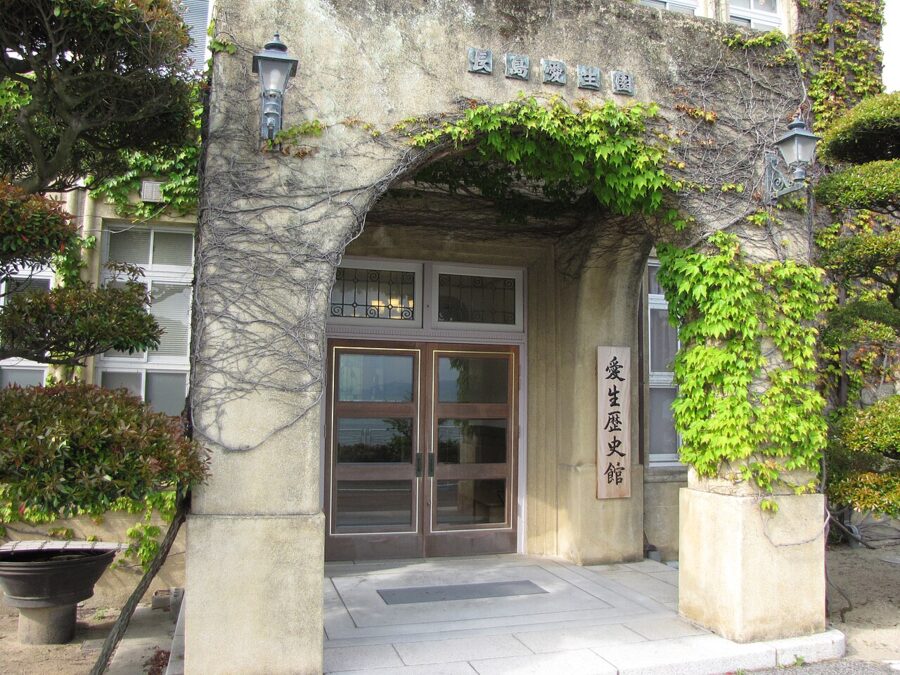
If you want to meet the word where it took its modern shape, Nagashima Aiseien still stands on its island in Setouchi, joined to the mainland by a bridge since 1988, and the history museum receives visitors by advance booking through the sanatorium. Or look out for the next sign that says 生きがいセンター. It will be on a modest building with a car park, and there is a fair chance someone inside is setting up a shogi board.