Kana and Words

Written Japanese mixes three scripts in one sentence: kanji for meaning, hiragana for grammar and native words, katakana for loanwords, foreign names and sound effects. Both kana grew out of kanji borrowed for their sound alone, the man’yōgana of the earliest Japanese poetry.

Then the words that carry an idea, read the way Japanese people use them, and the names: surnames that describe a field or a bridge, given names chosen for their characters, the speech of Osaka, and English words that came back as something else.

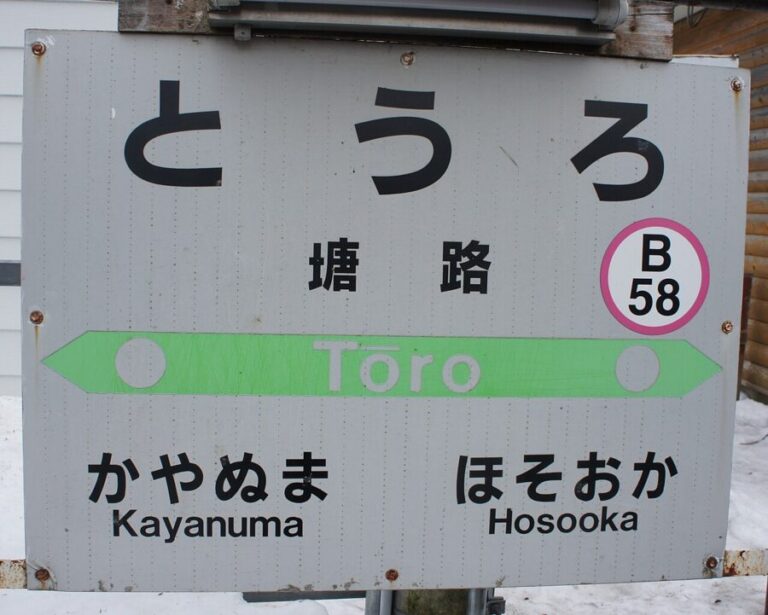
Station name board at Toro Station in Hokkaido showing とうろ in hiragana, 塘路 in kanji and Toro in roman letters

How Japanese Is Written: Four Scripts in One Sentence

One Japanese sentence taken apart script by script: kanji, hiragana, katakana and romaji, where they came from, vertical and horizontal writing, furigana, how many kanji a reader needs, and how Japanese is typed.
Start here
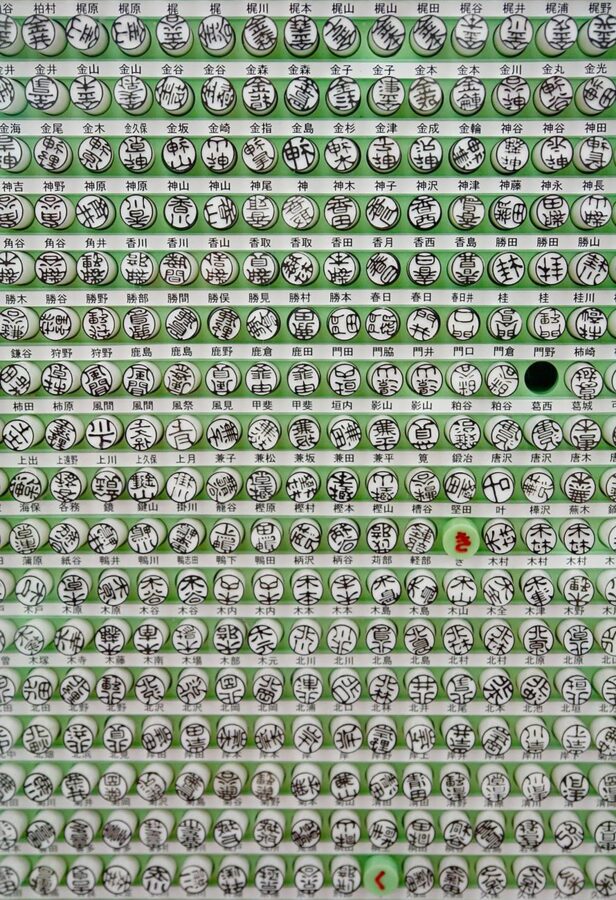
Rows of ready-made Japanese hanko name seals with surnames carved in kanji

Japanese Surnames: Sato, Suzuki and What They Describe

How many Japanese surnames there are, what Satō, Suzuki, Takahashi and the other common names describe, the 1875 law that gave everyone a family name, why the readings are so hard, name order in English, and the one-surname rule for married couples.

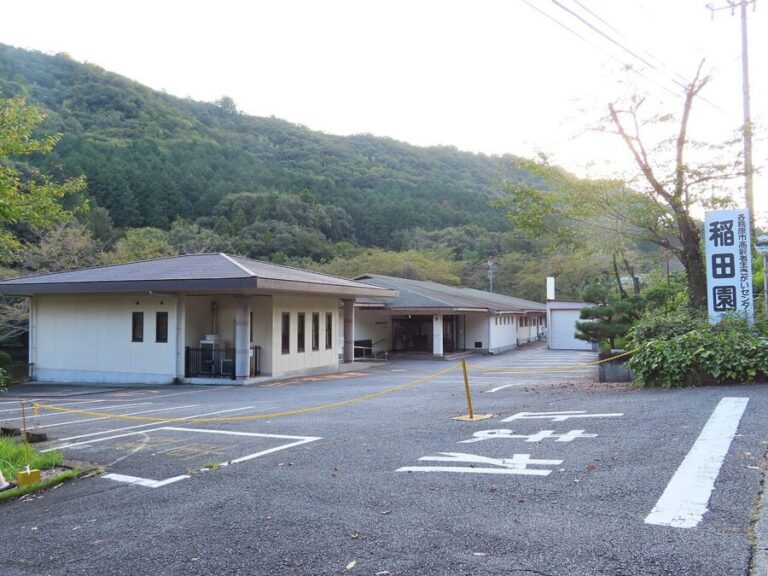
Sign of the Kakamigahara City ikigai centre for older people, Inada-en, in Gifu Prefecture

Ikigai Meaning: 生き甲斐 and the Japanese Words in -gai

What 生き甲斐 means in Japanese: the two halves of the word, the -gai family from yarigai to toshigai, six centuries of dictionary citations, Kamiya Mieko's 1966 book, where the four-circle diagram really came from, and how to use ikigai in a sentence.

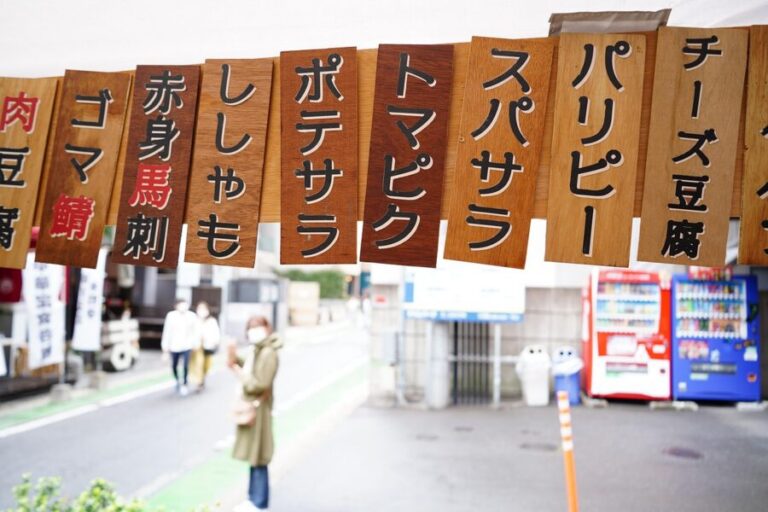
Wooden menu tags hanging at a food stall in Japan, reading ポテサラ, スパサラ, ししゃも and チーズ豆腐

Katakana: the Script of Loanwords, Names and Noise

Where katakana came from, as monks' shorthand cut from kanji, why the Meiji state wrote its laws in it, and what it does now: loanwords, names, sound effects, robot voices, ヴ and the 1991 spelling rules, wasei-eigo, and how to tell シ from ツ.

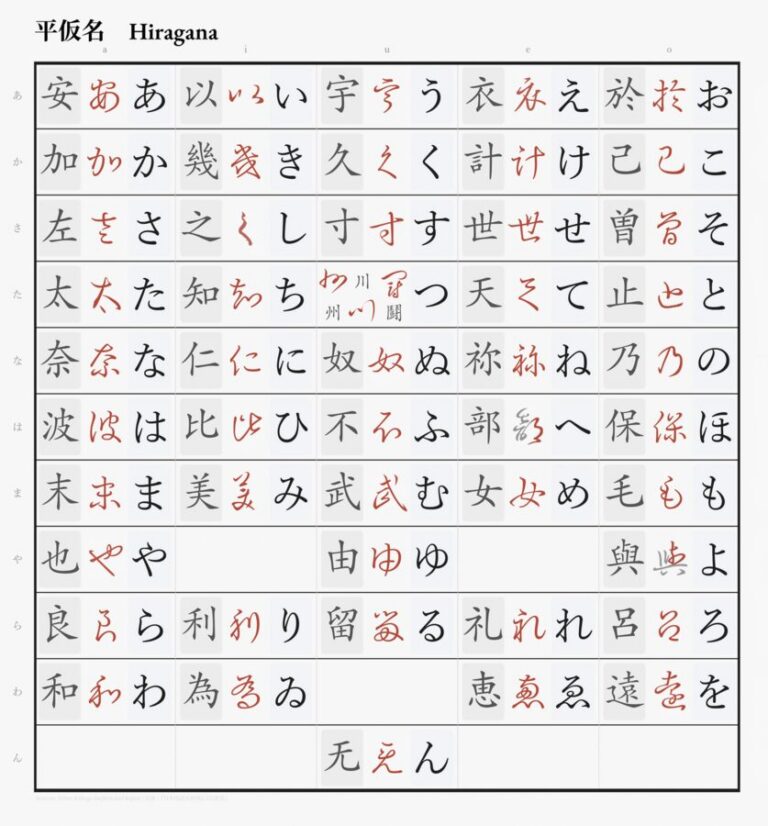
Chart of the 46 modern hiragana next to the kanji and cursive forms each one comes from

Hiragana: Where Japan’s Rounded Script Came From

How hiragana grew out of Chinese characters written in cursive, why the Heian court called it the women's hand, how the iroha and gojūon orders work, what the 1900 school rules fixed, and what hiragana does in a Japanese sentence today.