Kanji

A kanji is a Chinese character used to write Japanese, and most carry a meaning and more than one reading: 水 is read sui in 水曜日, Wednesday, and mizu when it is the water in your glass. Children in Japan learn 1,026 of them in six years of primary school (the 2020 list; 1,006 before), starting with characters such as 一, 木 and 水.

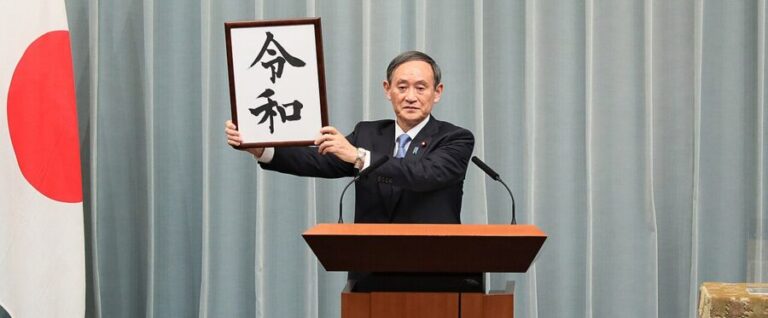
Each character starts from what it pictured, then its readings in kana and romaji, the words it builds and the places you meet it: shop signs, calendars, taps, menus. The numbers, the era names and the lists that count kanji sit here too.

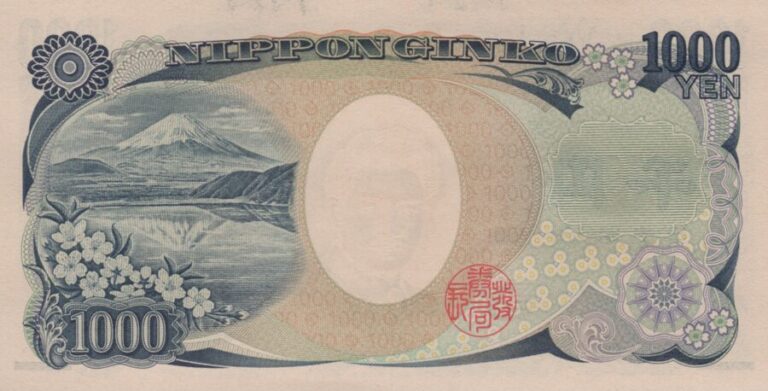
Back of a 1000 yen banknote printed NIPPON GINKO above Mount Fuji and Lake Motosu

Nihon or Nippon: What Japan’s Name Says

What 日本 means character by character, when it replaced the old name Wa, why it is read both Nihon and Nippon, the older names Yamato and Akitsushima, and how it reached English as Japan.

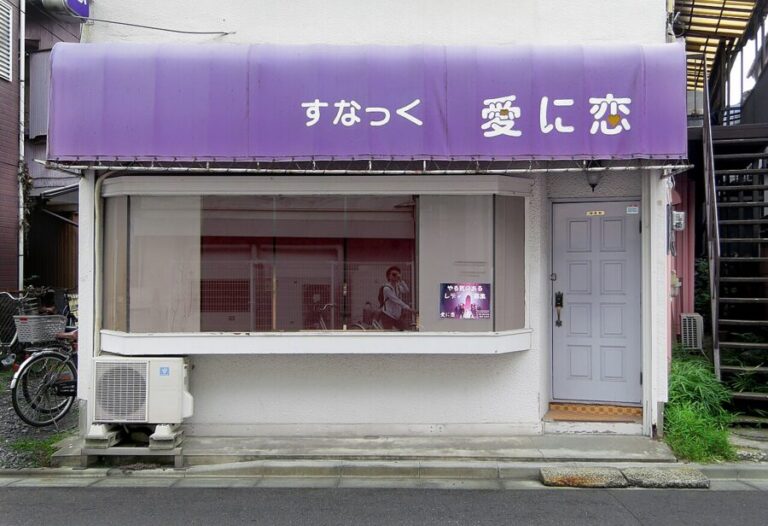
Purple awning of a small snack bar in Kawasaki reading すなっく 愛に恋 in white letters

愛 and 恋: the Kanji for Love

The two Japanese kanji for love taken apart: where 愛 and 恋 come from, how ai and koi differ in use, how Meiji translators gave Japan the modern word, why 愛してる is so rarely said, and how to write both characters.

The Japanese map symbol for a Buddhist temple: a left-facing manji, 卍

Japanese Symbols and What They Mean

What Japanese symbols say when you read them: the kanji people want as tattoos, map marks such as the temple 卍, everyday signs like 〒 and maru-batsu, family crests, and lucky motifs from the crane and turtle to the daruma.

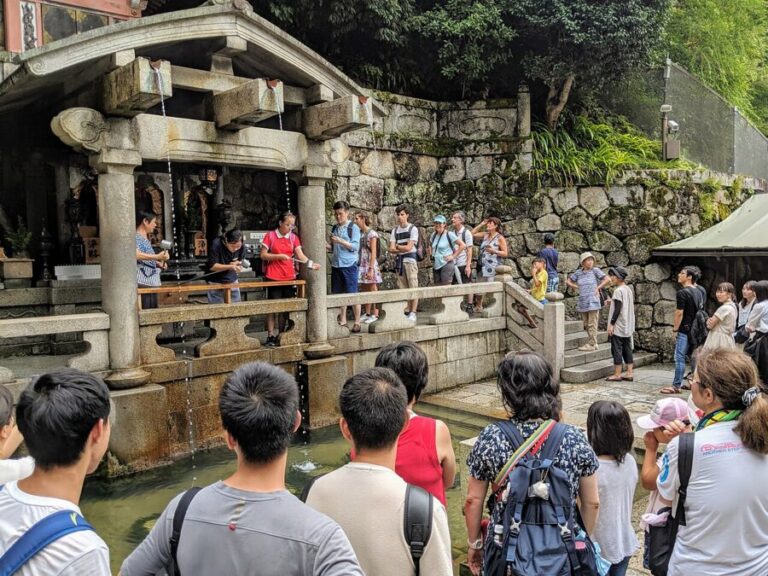
Visitors queue at the Otowa Waterfall below Kiyomizu-dera in Kyoto, where three streams of spring water fall from stone spouts

水: the Kanji for Water, Sui and Mizu

The kanji 水, water: the stream it pictures on oracle bones, the readings sui and mizu, the water radical in 海, 河, 泳 and 酒, Wednesday and the five-element weekdays, everyday words, and where you meet it in Japan.

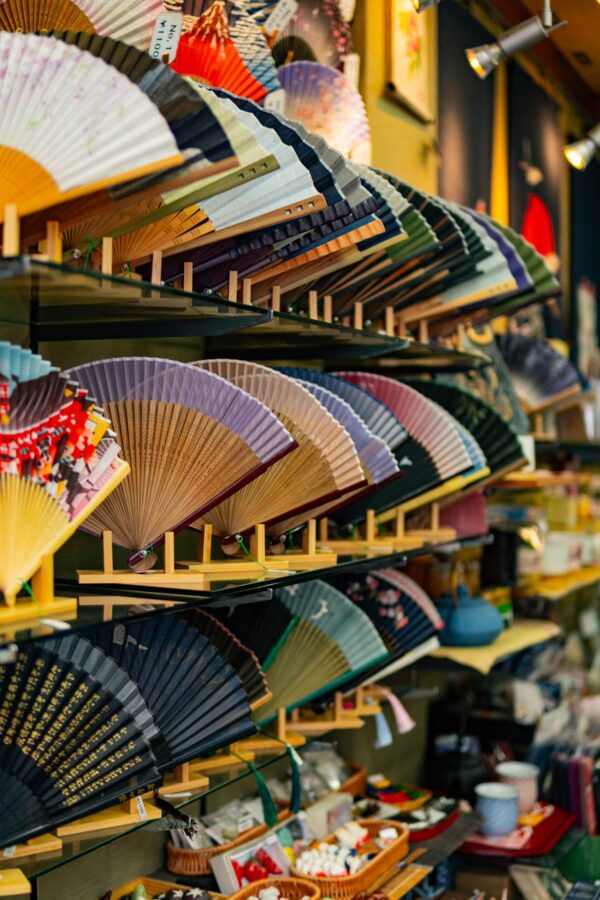
Rows of Japanese folding fans opened out on display in a shop

八: the Kanji for Eight, and Why Eight Is Lucky

The kanji 八, eight: its oracle-bone origin as two strokes parting, the readings hachi, ya, yattsu and yō, the words it builds from yaoya to yaoyorozu, why its widening shape makes eight lucky in Japan, and where to find it in myth, shrines and place names.