
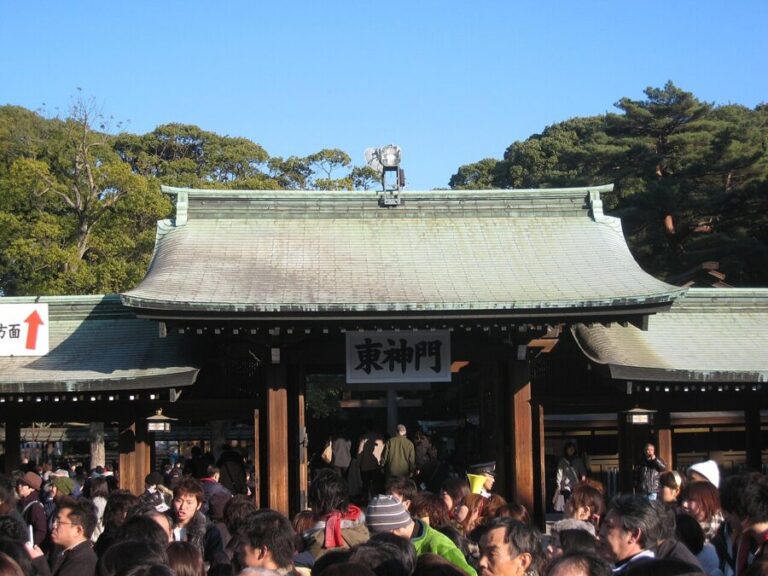
Japanese Traditions, Word by Word
Japanese traditions read through their names: kimono and yukata, shrines and temples, omikuji and ema, the New Year, the seasonal rites, the arts of the way, and everyday customs from the bow to itadakimasu.
Kimono means “thing to wear” and karate means “empty hand”. Much of Japan’s everyday culture says plainly what it is, once you can read the word on the label.
What people wear, where they pray, what they hang for luck, what they make, read, play and listen to, and the stories they tell children: each starts from its word and ends where you can see it today.
Japanese traditions read through their names: kimono and yukata, shrines and temples, omikuji and ema, the New Year, the seasonal rites, the arts of the way, and everyday customs from the bow to itadakimasu.
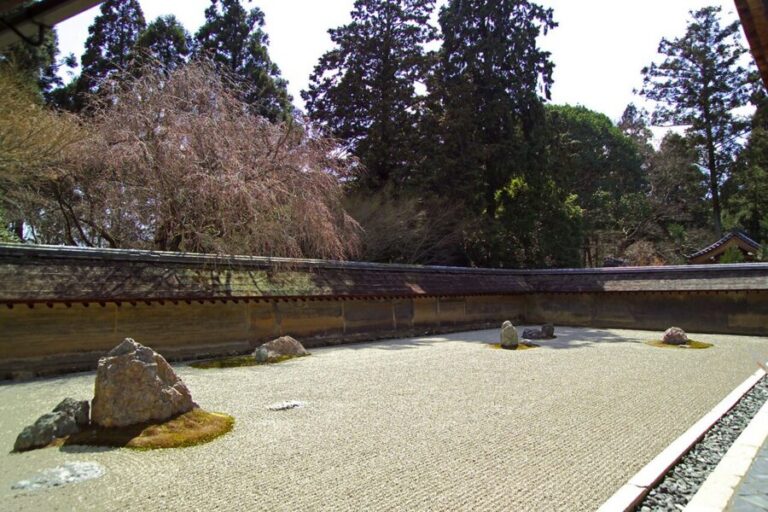
What the words of the Japanese garden mean, from niwa and teien to karesansui, chisen kaiyu and roji, with the Sakuteiki, the garden vocabulary, the people behind it and where to see each kind.
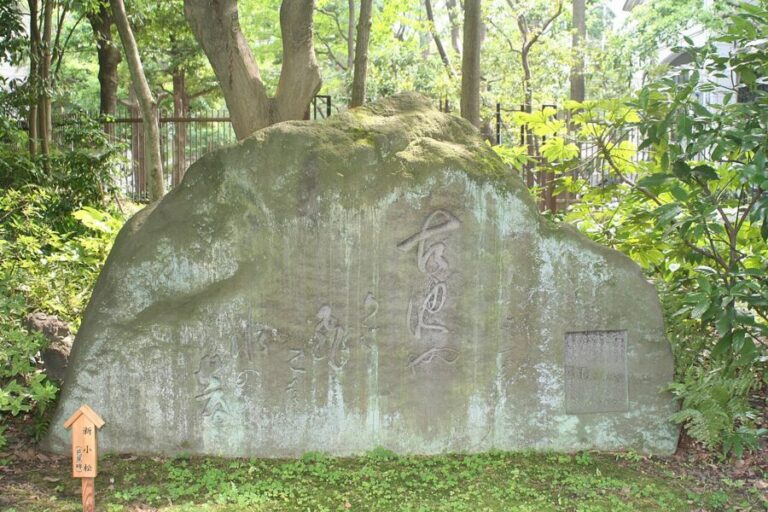
What the word haiku means, why it counts sounds rather than syllables, how season words and cutting words work, four masters with one poem each, haiku in Japan today, senryū, how to write one and where to find Bashō.
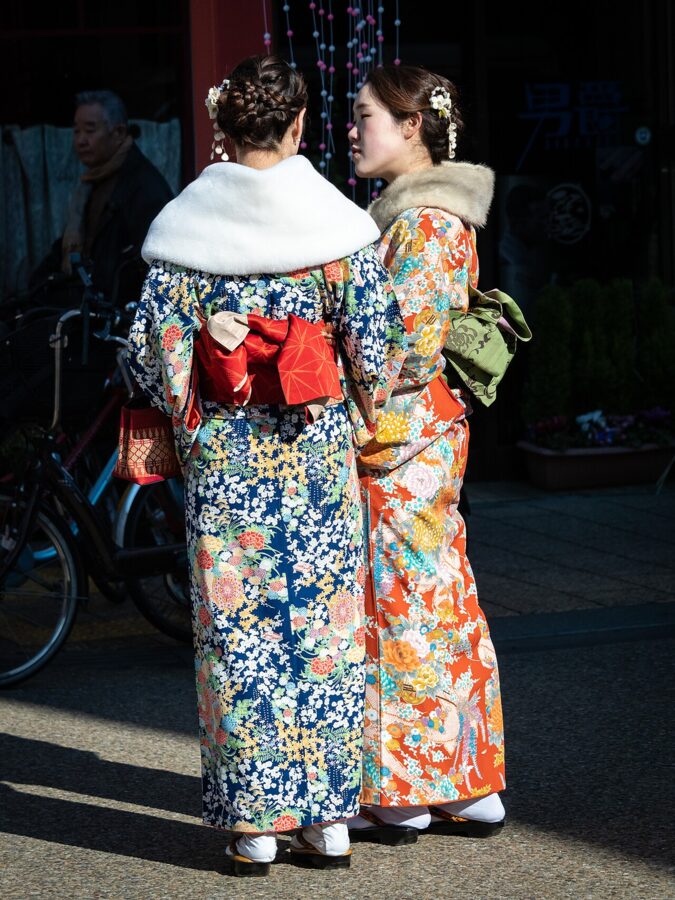
Kimono means a thing to wear. How 着物 narrowed to one robe, the kinds from furisode to yukata, left over right, seasons and crests, the obi, renting one in Kyoto or Asakusa, and where to see the finest.