Open Japan’s largest dictionary, the Nihon Kokugo Daijiten, and you will find 侘 under わ and 寂 under さ, each with its own page of quotations going back to the eighth century. You will not find the pair. The phrase English has hung on candle shops, linen sofas and self-help shelves has no headword of its own in the big Japanese dictionaries.
That gap is the best place to start. Wabi (侘) and sabi (寂) are two old words that grew up apart, one in the tea room and one in poetry, and they meant something closer to misery and loneliness than to a cosy kind of imperfection. Take them one at a time and the idea people mean by wabi-sabi gets sharper, not smaller.
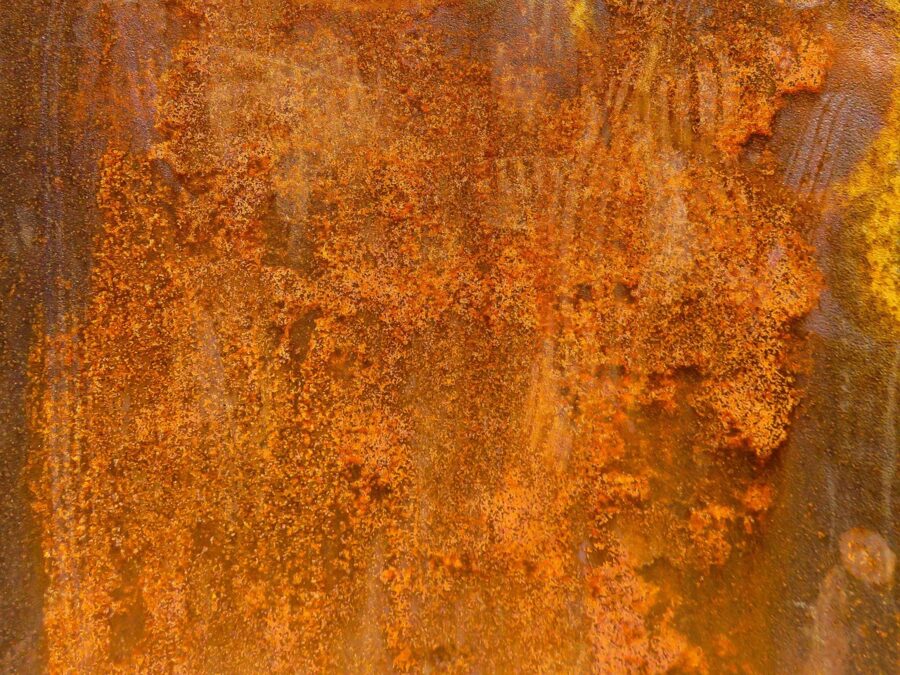
Wabi comes from the verb wabu (侘ぶ), to lose heart, to be wretched, to live reduced. Sabi comes from sabu (寂ぶ), to grow old and desolate, and it shares its root with 錆, the sabi that eats iron. Neither started as praise, and the story is how two words for things going wrong came to name things people learned to love.
In this article
侘 and 寂: two characters, two verbs
侘 is a rare character, outside the 2,136 jōyō (常用) kanji of everyday use, which is why you see わび in kana as often as in kanji. In Chinese its best-known use was the compound 侘傺, found in the Chu Ci poems, for a man stuck and dejected. Japanese scribes borrowed it for the native verb wabu, and the match was made for the misery, not for any beauty.
The dictionary entry for わびる lists the old senses in order: to lose heart, to fret, to grieve, to fall into a shabby life, and only last, to live apart and enjoy the quiet. The first quotation is an imperial edict of 771, where the emperor is “regretful and wretched”. The Kojiki (712) uses it for a god at his wits’ end over his jealous wife.
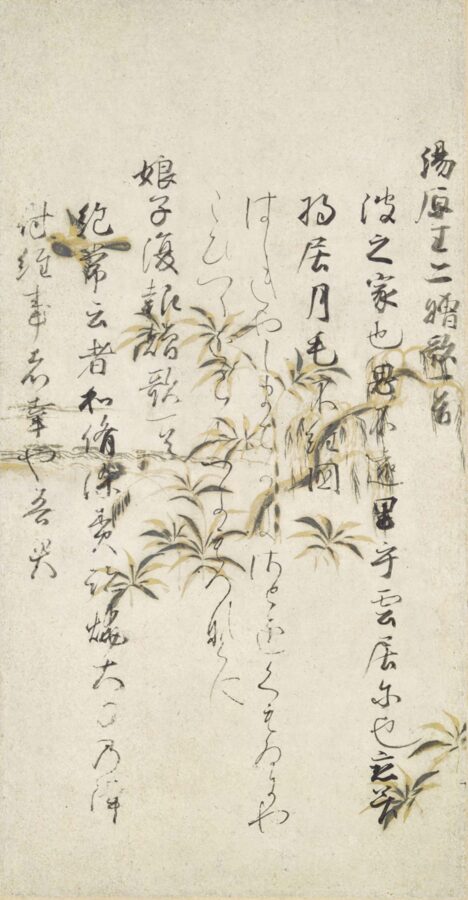
In the poetry of the court, wabu is the verb of love gone wrong and of exile. One of the Kokinshū poems (905) speaks to cherry blossoms growing on a mountain too high for anyone to come and admire them: itaku na wabi so, do not grieve so, I will look at you. That line is wabi before any tea master touched it: a lonely thing, and someone choosing to see it.
寂 is the opposite case: a common character with three lives. Read jaku, it is Buddhist stillness and the death of a monk, so a date followed by 寂, as in “Meiji 9 寂”, records a priest who died in 1876. Read seki, it is silence, as in 静寂 (seijaku, hush). Read sabi, it carries the native Japanese word, which borrowed this character for its emptiness.
The Daijisen derives the verb sabu from susabu (荒ぶ), to run wild or go to ruin, and its entry for 錆 says rust is “the same word” as the sabi of age. In the Man’yōshū, a poet looks at the abandoned capital at Ōmi and finds the land’s gods ura-sabite, desolate at heart. A minority account spells it 然び, a thing’s nature showing through. It is a lovely idea; the dictionaries back the ruin.
Wabi goes to the tea room
In the 15th century, tea in Kyoto meant power. Shoguns and rich men served matcha in large reception rooms with Chinese celadon, lacquer and paintings, the imported goods called karamono (唐物). Wabi tea grew up as an argument against all that, carried on by three men over a century.
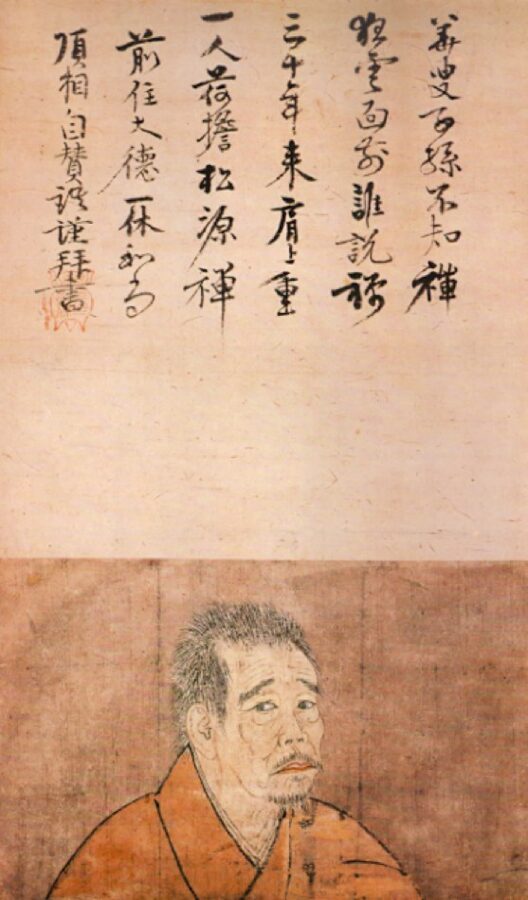
Murata Juko (1423 to 1502)
Murata Jukō came from Nara, studied Zen with Ikkyū, and is called the founder of wabi tea. He mixed Chinese pieces with plain local ware in a smaller room. His “Letter of the Heart” names pride as the worst fault in tea, and the beauty he praised was hiekaru (冷え枯る), chilled and withered; he never called it wabi.
Takeno Joo (1502 to 1555)
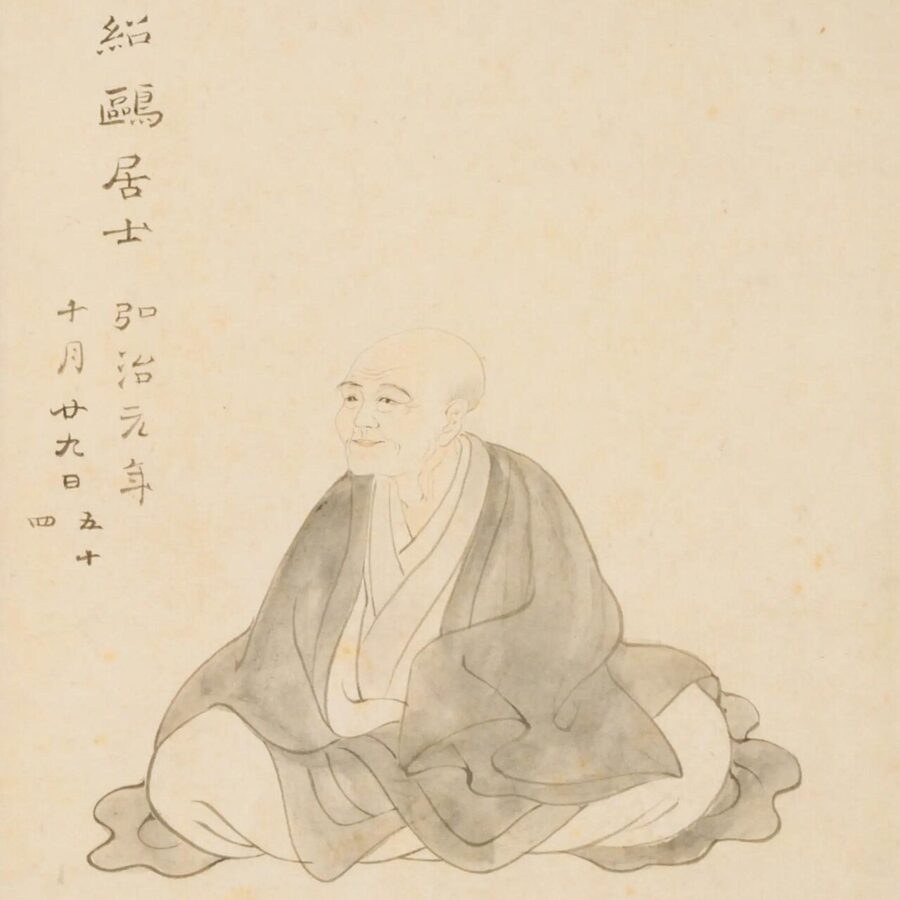
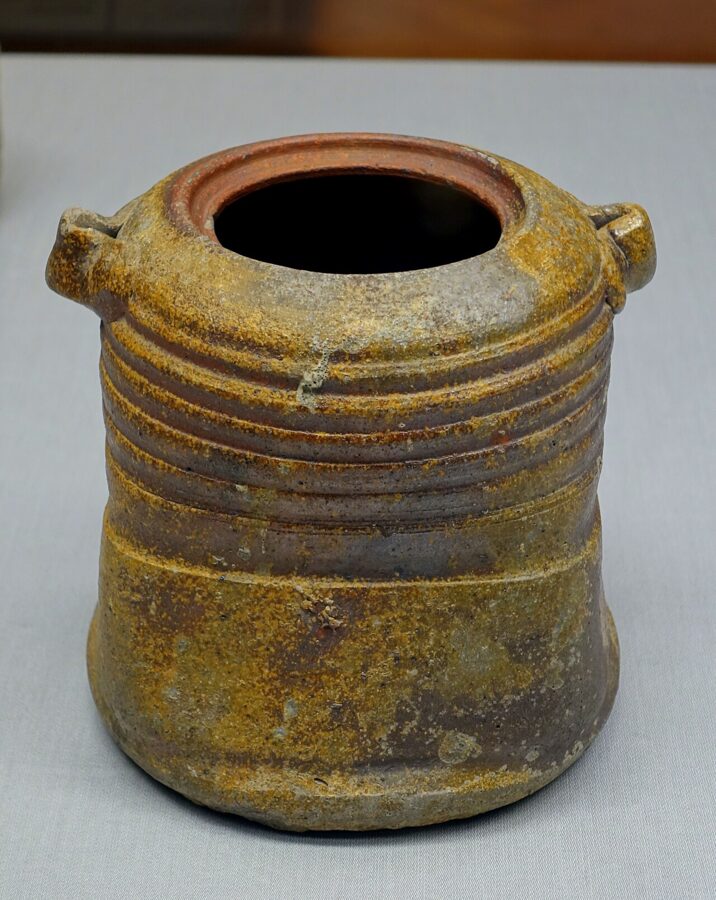
Jōō, a rich merchant of Sakai who studied poetry before tea, used everyday Bizen and Shigaraki jars as tea utensils and built rooms of three mats and two and a half. A short text credited to him, the Wabi no Fumi, defines wabi as being upright, careful and not proud. Later tea writing has him naming a poem by Fujiwara no Teika as the heart of wabi tea:
見渡せば花も紅葉もなかりけり浦の苫屋の秋の夕暮
I look out: no blossoms, no red leaves, only a reed hut by the bay in the autumn dusk.
Sen no Rikyu (1522 to 1591)
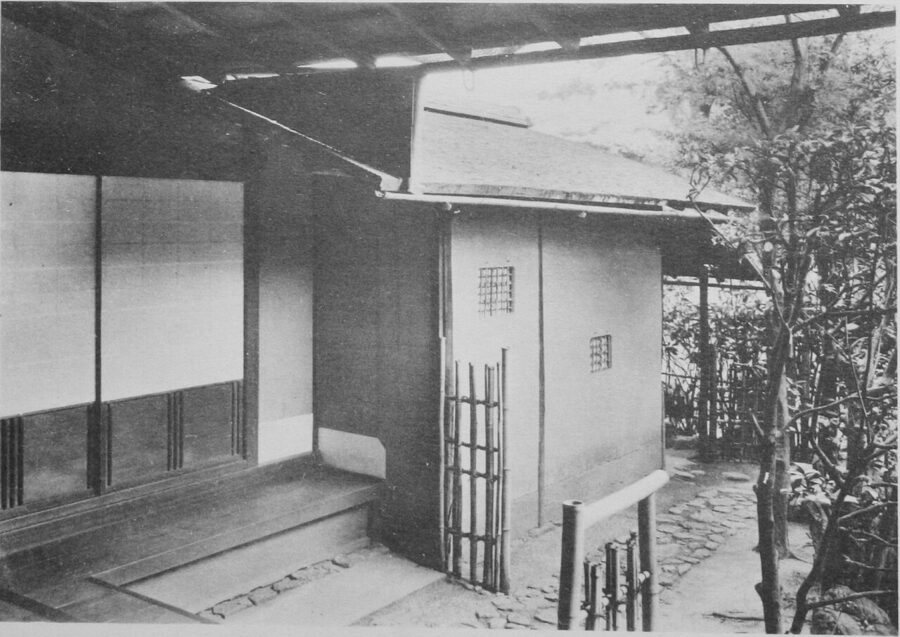
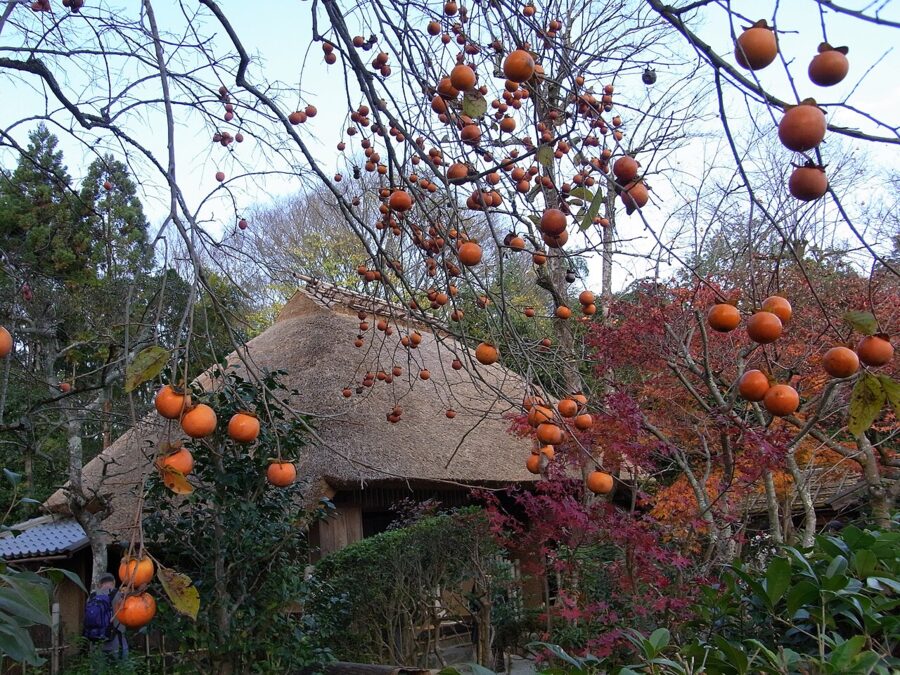
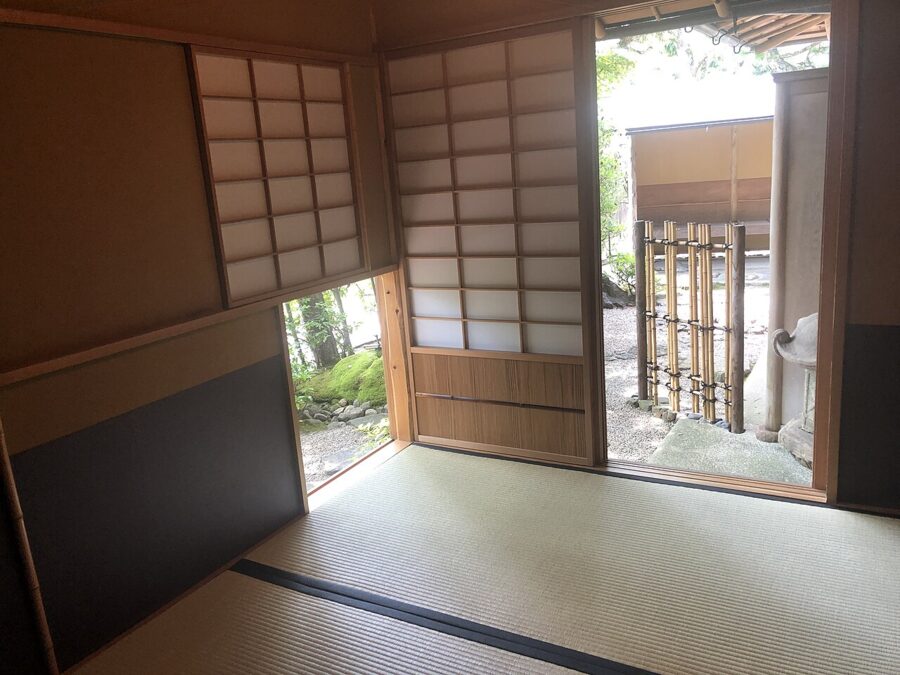
Rikyū, tea master to Toyotomi Hideyoshi, pushed the idea as far as a room could go. The tea house usually credited to him, Taian, is two tatami mats inside plain clay walls, with an alcove whose ceiling is pressed low and whose front rail is a log left with three knots in it. Guests crawl in through the nijiriguchi (躙口), a door about two feet square, leaving swords and rank outside.
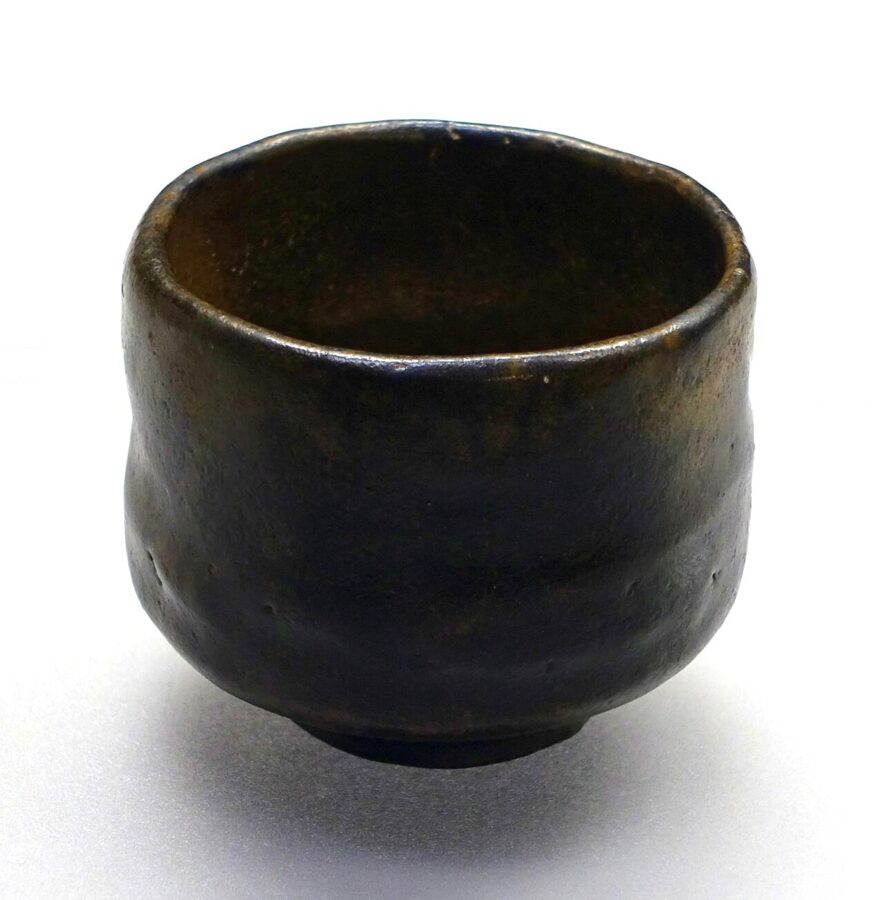
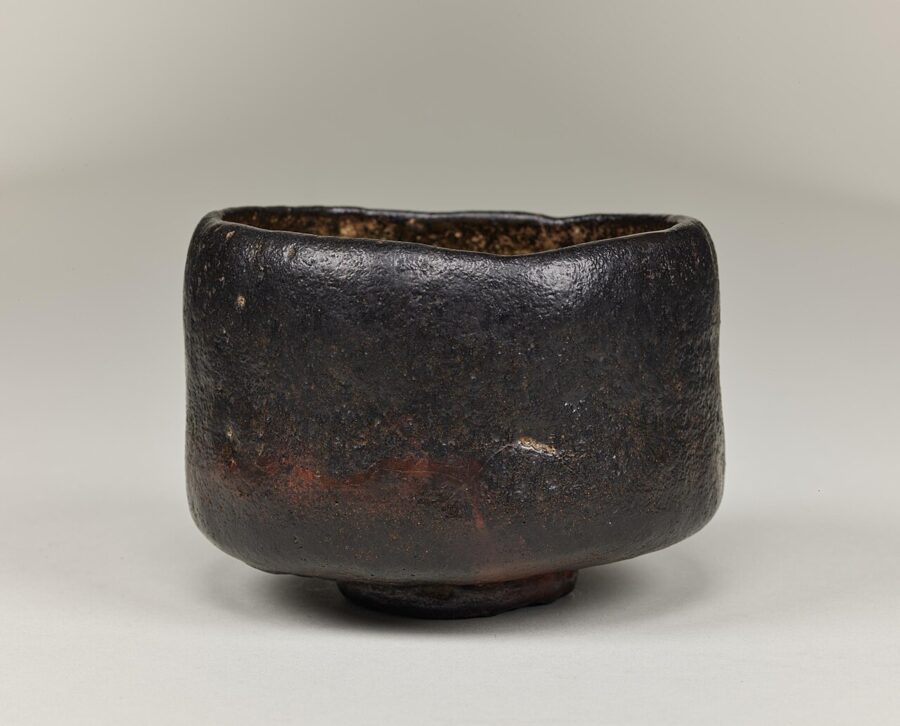
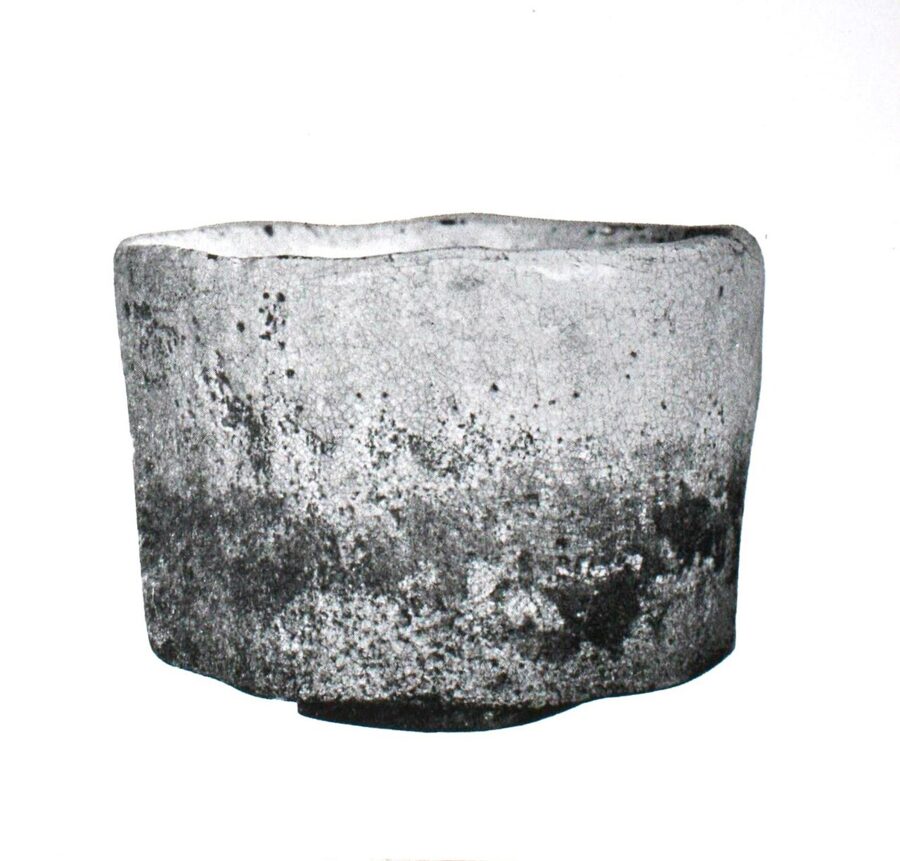
Rikyū also had the tile maker Chōjirō shape bowls by hand, without a wheel, and fire them one at a time at low heat: the first Raku ware. Each is a little uneven in a way no Chinese workshop of the day would have let out of the door.
Rikyū’s pupil Yamanoue Sōji (1544 to 1590) defined a wabi-suki (侘び数寄), a wabi tea man, as someone who owns no famous piece but has resolve, invention and skill. A 1628 book of anecdotes, the Seisuishō, says Rikyū kept reciting Fujiwara no Ietaka’s poem about showing those who wait only for blossoms the new grass between the snow.
What wabi tea turned down
Wabi tea rejected the showroom: gold, flawless celadon, famous Chinese pieces bought to impress, rooms big enough to hold a court. It did not reject cost. Raku bowls and Rikyū’s bamboo scoops became treasures, and Hideyoshi, who ordered Rikyū to kill himself in 1591, also had a portable golden tea room. Wabi was reached after tasting luxury, not instead of it.
Two details surprise most readers: the noun wabi as the name of a taste first turns up in the Nanpōroku, a text that claims to record Rikyū but only surfaced about a century after his death, and wabicha (侘び茶) itself is an Edo coinage. The Edo tea book Zencharoku boils it down well: wabi is not feeling the lack as a lack.
Sabi goes to poetry
While wabi was settling into tea, sabi was a word of poetry. The court poet Fujiwara no Shunzei (1114 to 1204), judging poetry contests, praised poems whose loneliness he called sabi, and his son Teika wrote the reed-hut poem above. Around 1330 the monk Kenkō asked in Tsurezuregusa whether blossoms are to be looked at only in full flower, the moon only when cloudless. Loneliness was turning into a thing to look for.
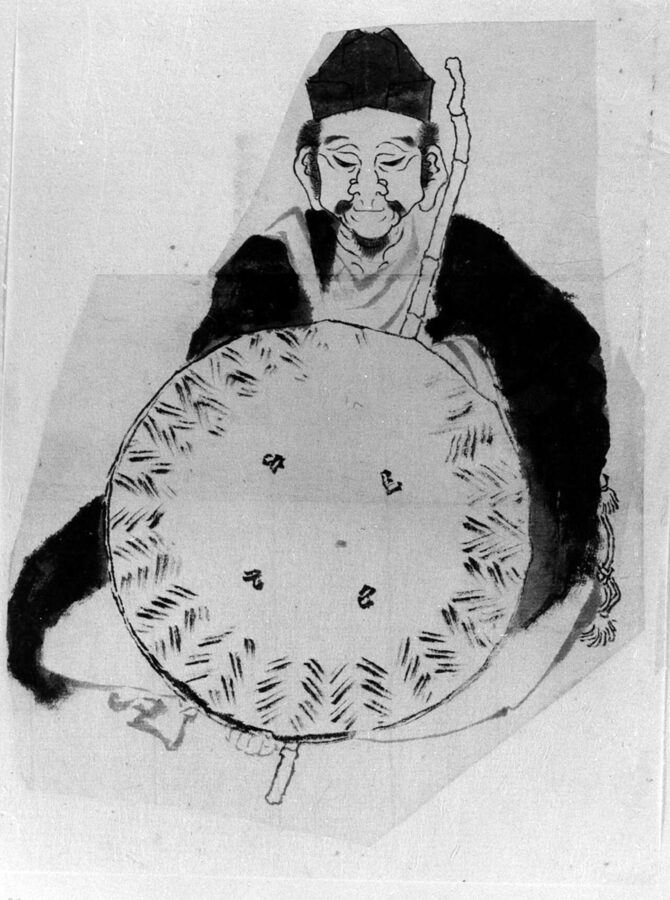
The word belongs above all to Matsuo Bashō (1644 to 1694) and his school, though Bashō said little about it himself. The firmest evidence, as the Heibonsha entry on 寂 notes, comes second-hand, from his pupil Mukai Kyorai (1651 to 1704), who wrote down the master’s remarks in the Kyoraishō.
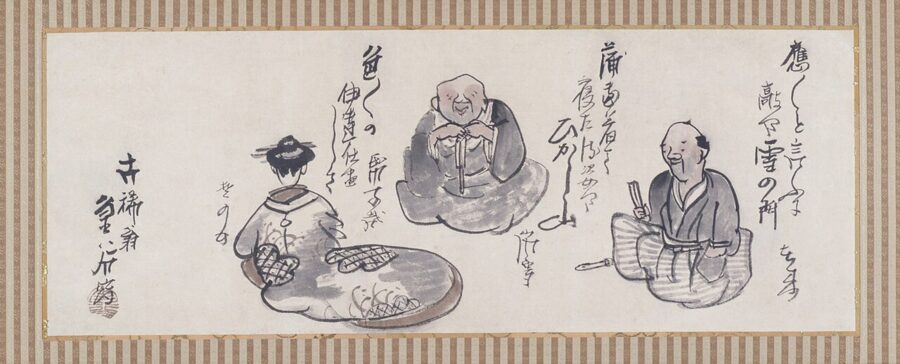
Kyorai had written a verse about two old men set to guard cherry trees in bloom:
花守や白きかしらをつき合せ
The blossom guards: two white heads bent close together.
Bashō’s verdict, as Kyorai records it: sabi-iro yoku arawarete, yorokobi sōrō, the colour of sabi shows well, and it pleases me. Nothing in the verse says lonely. The blossoms are at their best; the sabi is in the two white heads among them.
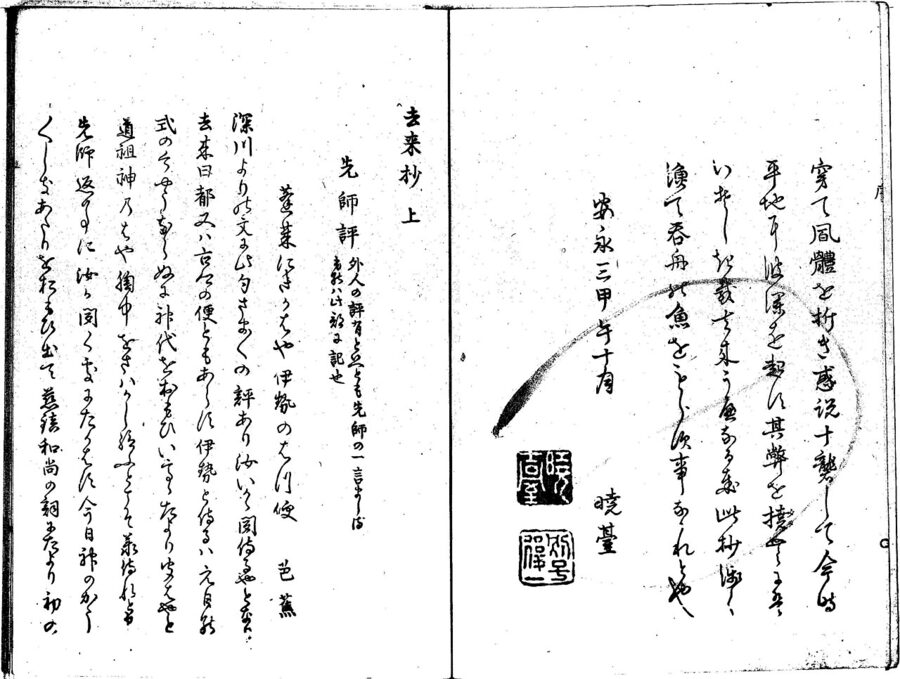
Kyorai explains it with a picture. Sabi, he says, is the colour of a verse, and it does not mean a verse about quiet things. An old man may put on armour and fight, or dress in brocade for a banquet, and still the old man shows through. That is the best definition of sabi I know: not decay as a subject, but age showing through the surface.
Bashō used wabi too. In one early verse he calls himself Tsuki-wabisai, the moon-wabi man, and one of his last verses, from autumn 1694, is about as lonely as Japanese gets:
この道や行く人なしに秋の暮
This road: no one going along it, and autumn dusk.
Sabi only came into tea afterwards. Yamanoue Sōji’s ten qualities of a tea man include wabi but not sabi. Edo tea writers took sabi from the poets, and the two words began to travel together.
When the two became one word
In Japanese the pair does exist. People say wabi-sabi (わびさび) about an old inn or a moss garden, and the two are now usually talked about together. What is missing is a definition: neither the Daijisen, the Daijirin nor the Nihon Kokugo Daijiten gives the pair a headword. I have found no survey asking speakers what it means, only that silence and the shrug most people give when asked.
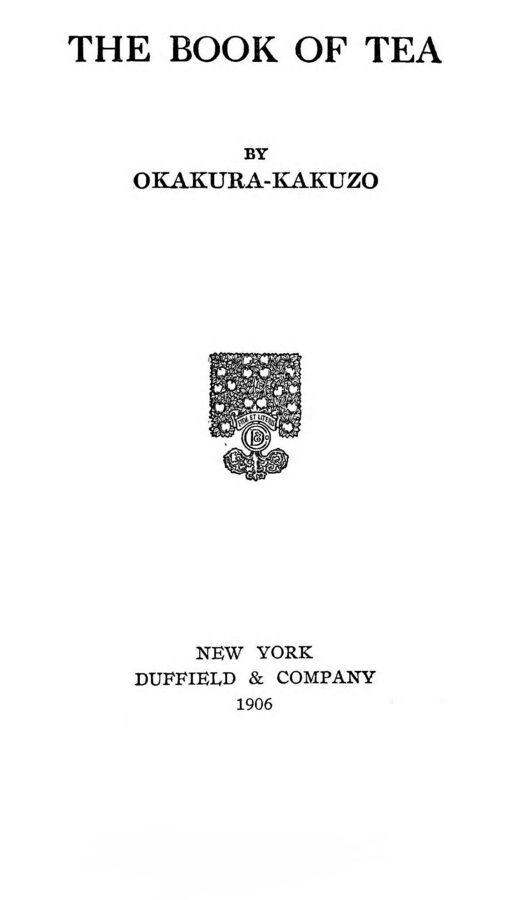
English got the pairing from outside the tea room. Okakura Kakuzō’s The Book of Tea (1906), written in English in New York, called tea “essentially a worship of the Imperfect” without using either word. In 1972 an English version of Yanagi Sōetsu’s essays, The Unknown Craftsman, introduced shibui, wabi and sabi together as words for a hidden beauty in roughness.
The scholar Paul Atkins of the University of Washington, writing on what wabi-sabi is actually about, found the compound appearing in English print around 1980 and suggests the rhyme helped it stick. The book that made it one word was Leonard Koren’s Wabi-Sabi for Artists, Designers, Poets & Philosophers, published by Stone Bridge Press in Berkeley in 1994 and reissued in 2008. Koren, an American designer, defined it as “a beauty of things imperfect, impermanent, and incomplete”, and that phrase is now in almost every English explanation.
From there it went into interiors, pottery classes and mindfulness books. Merriam-Webster now defines it as a philosophy of Japanese origin. Like several Japanese traditions first explained to the world in English, it left Japan as two words and came back as one.
The “seven principles of wabi-sabi” found in many articles have a different source. They are the philosopher Hisamatsu Shin’ichi’s seven characteristics of Zen art, from Zen to bijutsu (1958), translated as Zen and the Fine Arts: asymmetry, simplicity, austere sublimity, naturalness, subtle depth, freedom from convention and tranquillity. A fine list, but not a Japanese definition of wabi or of sabi.
So what is the difference between wabi and sabi?
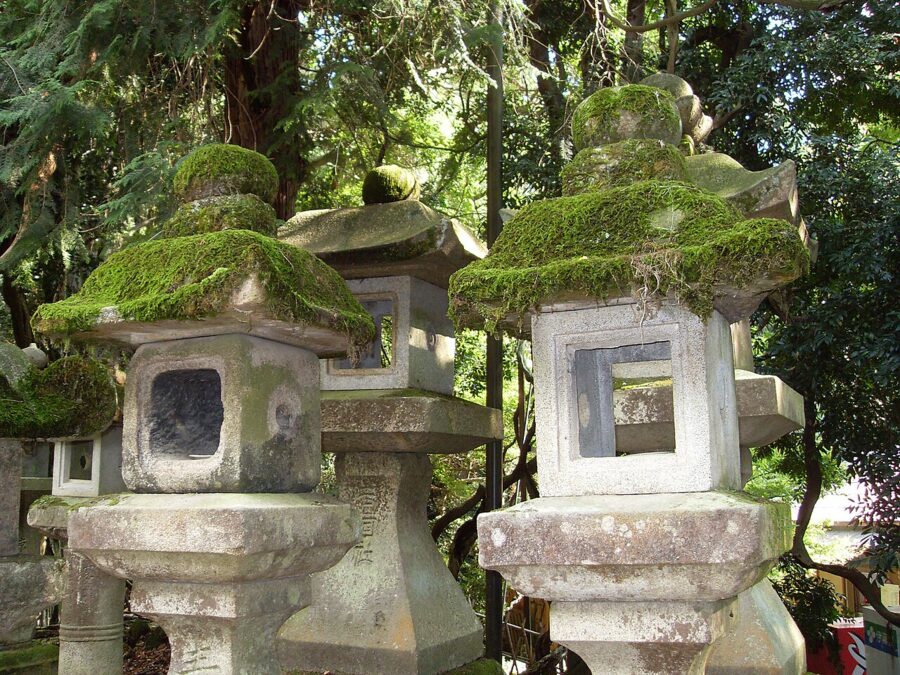
Put plainly, wabi is about a way of living and sabi is about the look of time. Wabi is the man in the reed hut who does not count what is missing, the host with a plain bowl and good judgement. Sabi is the moss on the lantern, the white heads among the blossoms. One belongs to people and their choices; the other to things and their years.
What the words still do in everyday Japanese
Outside the tea room both words are ordinary and mostly still gloomy, written in kana as often as in kanji (the Japanese writing system allows either).
| Word | Reading | Romaji | Meaning |
|---|---|---|---|
| 侘しい | わびしい | wabishii | dreary, cheerless, a bit pitiful (a lone supper, a cold room) |
| 詫びる | わびる | wabiru | to apologise; the same old verb, written with 詫 |
| お詫び | おわび | owabi | an apology, as on every train-delay notice |
| 寂しい | さびしい・さみしい | sabishii, samishii | lonely; missing someone or something |
| 寂れる | さびれる | sabireru | to decline, of a town or shopping street |
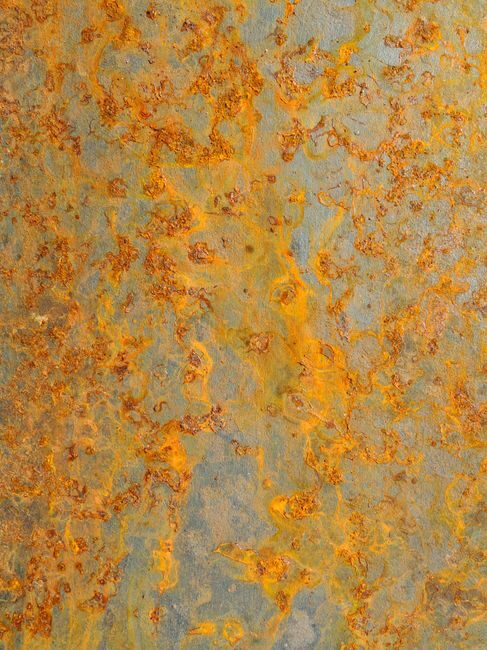
| 錆 | さび | sabi | rust |
| 錆びる | さびる | sabiru | to rust; also of skills gone stiff |
| 寂のある声 | さびのあるこえ | sabi no aru koe | a low, seasoned voice |
The apology is the one most learners do not expect. Wabiru, to be wretched, also came to mean to show you are wretched about something, and from there to beg pardon. The Nihon Kokugo Daijiten files 侘 and 詫 under one headword. So the station announcement that begins owabi mōshiagemasu (お詫び申し上げます), with deepest apologies, is wabi in its oldest sense.
Sabishii is the everyday word for lonely, and in speech it often softens to samishii. It is quieter than koishii (恋しい), the ache for a particular person written with 恋, one of the kanji for love; sabishii is the empty room, koishii is the name you miss. A shopping street that has lost its trade is sabireta; a singer whose voice has aged well has sabi.
One false friend waits at the sushi counter. Sabi-nuki (さび抜き) means “without the wasabi”, and sabi there is just the back half of wasabi (山葵). It has nothing to do with Bashō.
Where to see what the words describe
Moss on a temple wall, a worn step, a bowl mended with gold in the kintsugi (金継ぎ) way: these are everywhere in Japan. A few places put the original tea-room wabi in front of you.
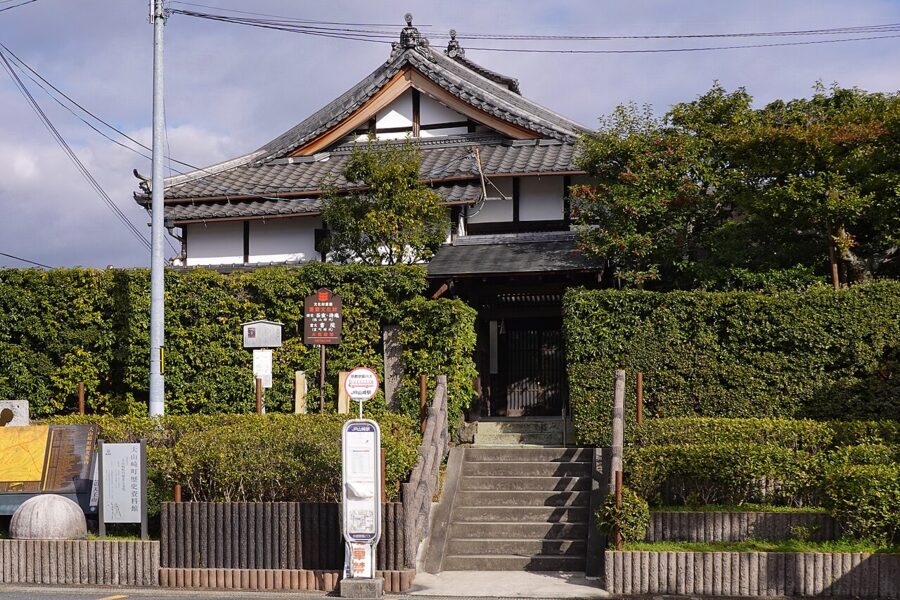
Taian, Myokian (Oyamazaki, Kyoto prefecture)
Rikyū’s two-mat room is a National Treasure, and small groups can still see it. As of November 2026, Myōkian’s visiting rules are strict and old-fashioned:
- Applications by return-reply postcard (ōfuku hagaki, 往復はがき) only, about a month before the date you want
- Sunday mornings only, with slots at about 10:30 and 11:30; the temple may refuse a Sunday when it has its own events
- ¥1,000 (about $7) per person, groups of up to five, generally no visitors of high-school age or younger
- No photographs or video anywhere in the temple
- Right by JR Yamazaki Station, or a five-minute walk from Hankyu Ōyamazaki
Raku Museum (Kyoto)
The Raku Museum stands beside the family workshop in Kamigyō, where Chōjirō’s descendants still make bowls, and holds three exhibitions a year. It opens 10:00 to 16:30 (last entry 16:00) and closes on Mondays unless a holiday, between exhibitions and over New Year; the admission charge changes with each exhibition.
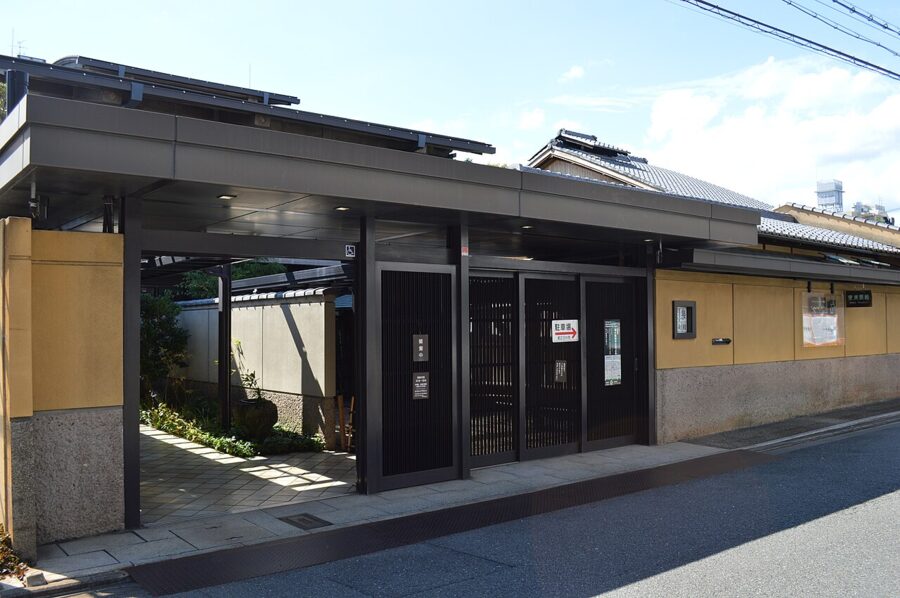
Jo-an, Urakuen (Inuyama, Aichi)
Another National Treasure tea room from Rikyū’s generation, built by Oda Uraku, younger brother of Oda Nobunaga, stands in the Urakuen garden just east of Inuyama Castle. The inside opens only on special tour days, and the garden’s notice of 2 November 2026 says this season’s tours are fully booked. The garden closes for maintenance from 14 to 18 December 2026.
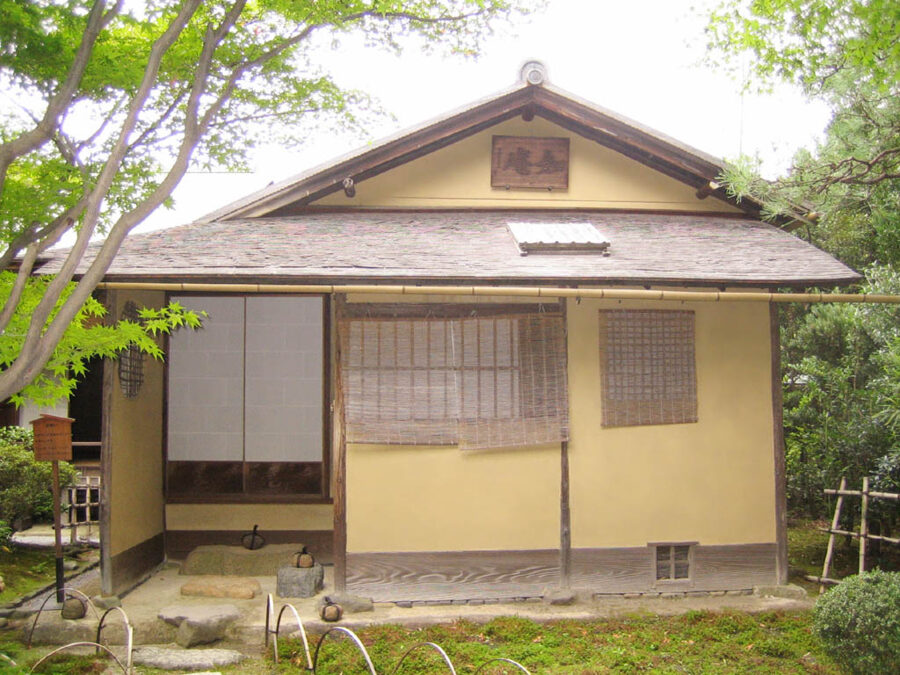
Moss, mended bowls and a cup of tea
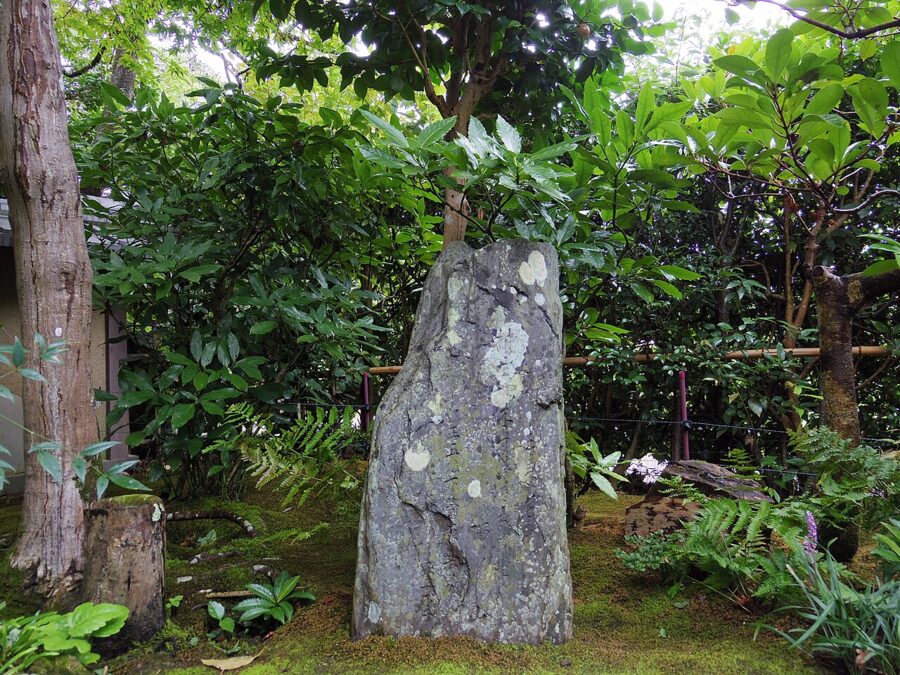
For sabi, any old temple or shrine path will do: Kasuga Taisha’s lanterns or a Kyoto moss garden show stone left alone long enough to turn green.
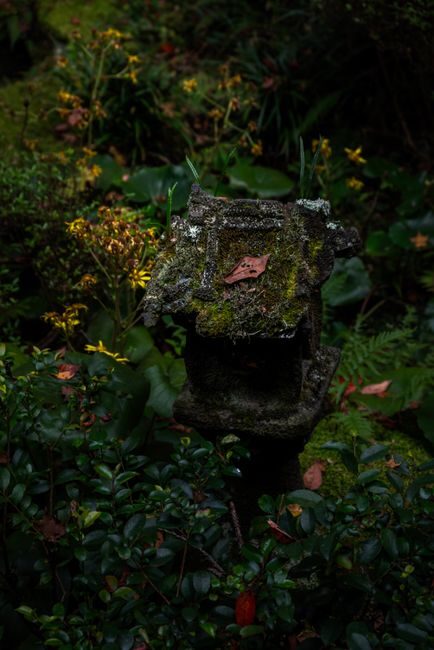
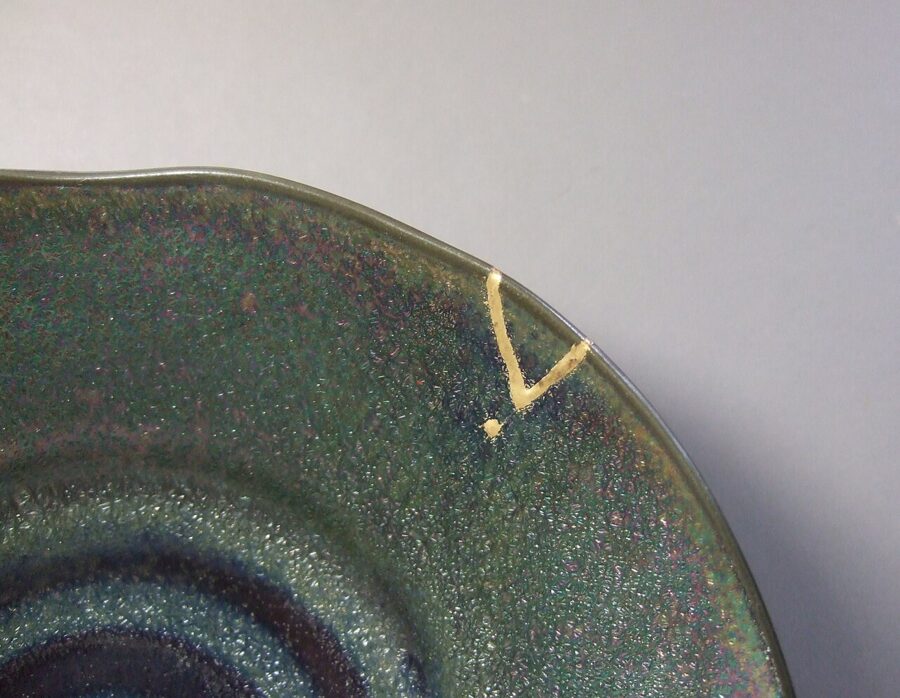
And for wabi, drink the tea. A bowl of usucha whisked in front of you in a plain room, in a bowl that does not match the next guest’s, is what Jukō, Jōō and Rikyū spent a century arguing for. Hold it with both hands.
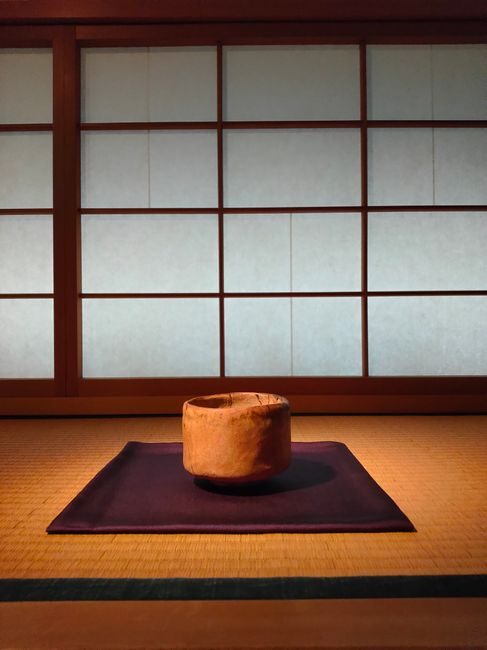
Then go back to the dictionary. Under わぶ you will find the grieving emperor, the harried god and the woman letting her lover go; under さぶ, the ruined capital and the rust. The beauty came later, and it was never in the words alone.