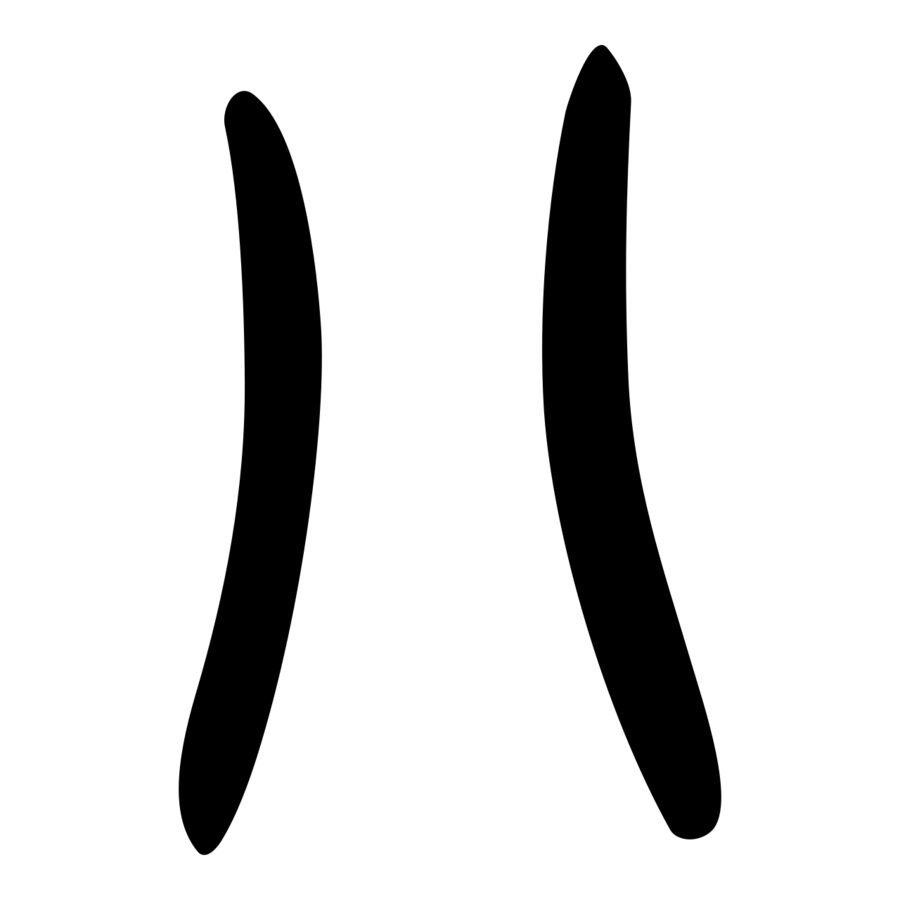
Write 八 and your pen makes two strokes that start close together and finish far apart. Japanese has a word for that shape, suehirogari (末広がり), “widening towards the end”, and it is the reason eight is the lucky number in Japan, the mirror image of unlucky four.
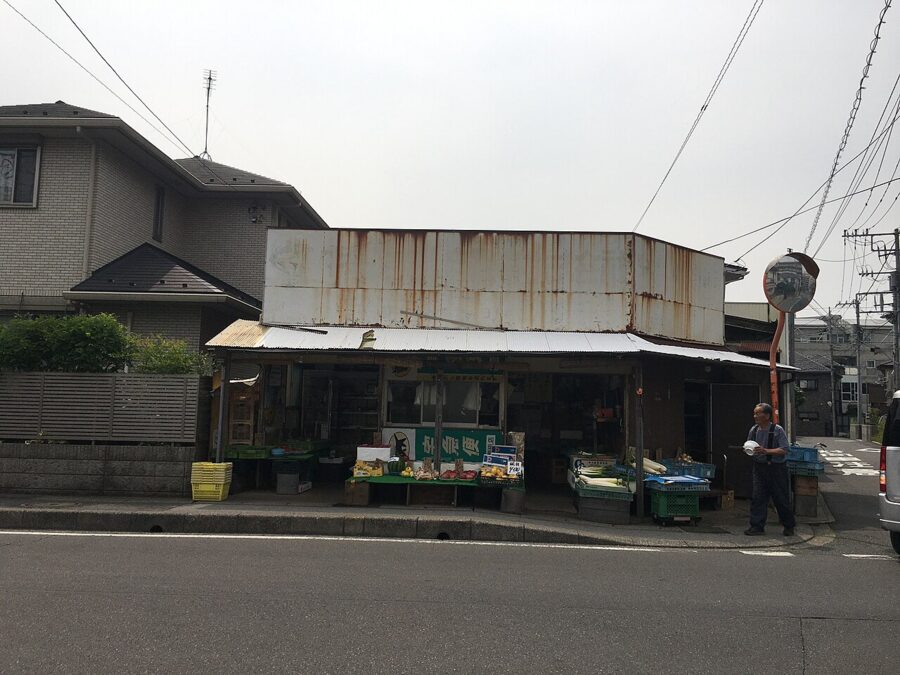
The same two strokes sit on greengrocers’ signs, in the name of the war god Hachiman, in the eight-headed serpent of the oldest Japanese chronicle and in the country’s old name.
In this article
Two strokes parting: where 八 comes from
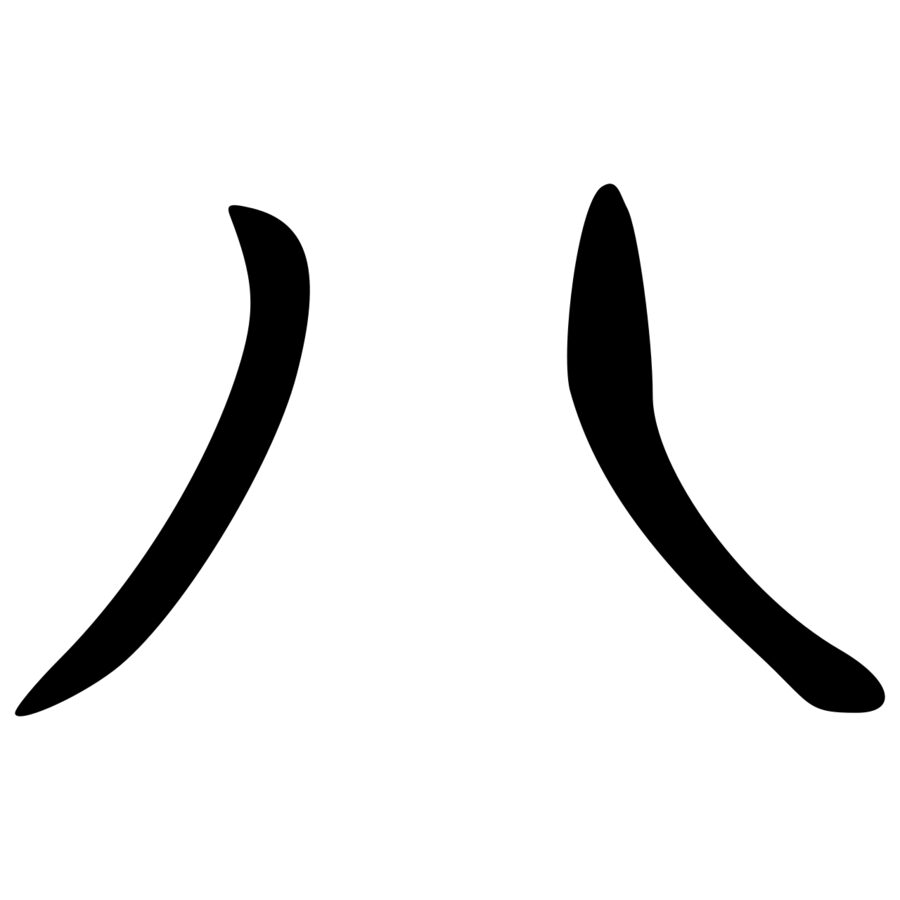
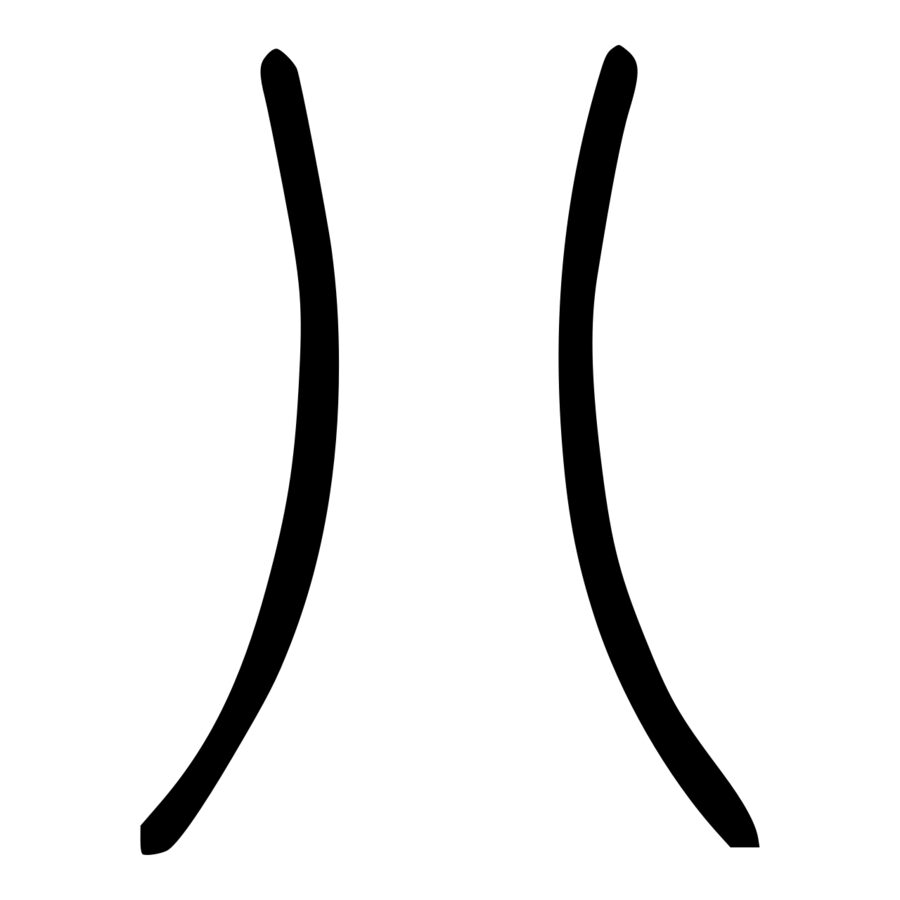
The oldest 八 is on the Shang dynasty oracle bones that Chinese diviners cracked with heat more than 3,000 years ago. It is already two short strokes leaning apart. The bronze inscriptions of the Zhou dynasty curve them, and the small seal script bows them outward like a pair of brackets turned the wrong way.
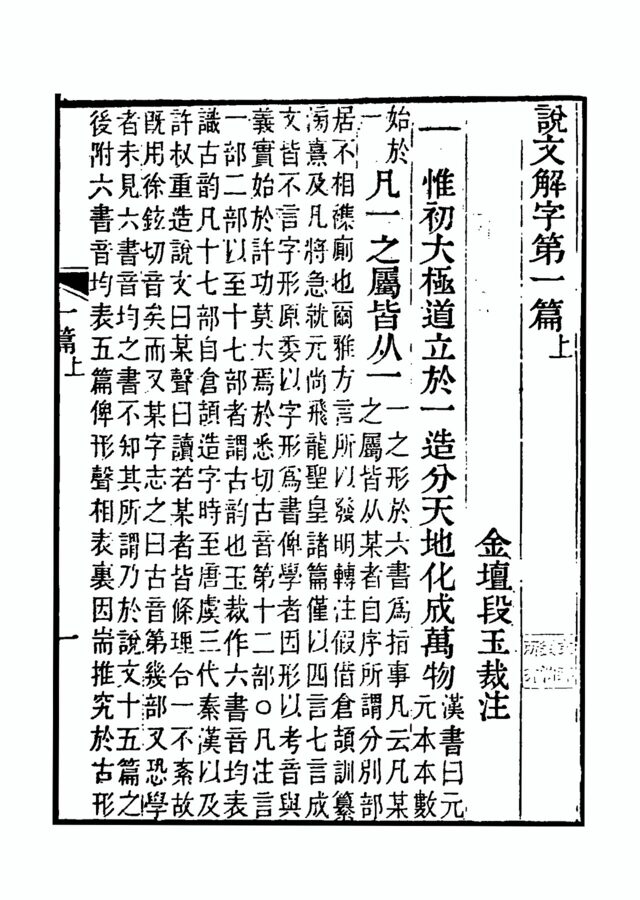
The first dictionary to explain the shape was the Shuowen Jiezi (説文解字), compiled by Xu Shen around 100 CE. Its entry is two short sentences:
八,別也。象分別相背之形。
“Eight means to part. It pictures things separating and turning their backs on one another.”
So the number is a borrowing: the character meant “divide”, and eight, which sounded the same in old Chinese, took it over. One well-supported account goes further. Once the number had claimed 八, a knife, 刀, was added underneath to make a new character for dividing, 分, still the everyday kanji for “part” and “minute”.
Shirakawa Shizuka’s dictionary Jitsū (字通) finds the same splitting in 半, half, an ox (牛) cut down the middle. The Qing editor Duan Yucai added a footnote to the Shuowen: around the Yangtze delta, he wrote, giving something away was called 八, because what you give has parted from you.
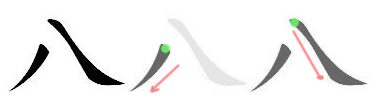
Two strokes, left first
Japanese children write 八 in their first year of school, and the order is fixed: the left stroke first, falling to the left, then the right stroke, sweeping down to the right. In printed Mincho type the right stroke carries a small pressed notch near its top, and the 2010 Jōyō kanji table uses 八 as one of its examples of a typeface feature that handwriting leaves out.
If 八 looks like a katakana letter, that is because one came from it. Katakana ハ (ha) is the whole of 八, taken over unchanged by early Heian scholar-monks who needed a quick way to note sounds beside Chinese texts, the way most katakana began as pieces of kanji.
On receipts, cheques and contracts eight is sometimes written 捌 instead, one of the formal “large” numerals that cannot be turned into another number with a stroke or two.
Readings: hachi, ya, yattsu and yō
The Jōyō table gives 八 one Chinese-derived reading and four native ones. The on’yomi is ハチ (hachi), the eight of 八月, August, and of 八方, the eight directions. The native readings are や (ya) in 八重桜, the double cherry; やつ (yatsu) in 八つ当たり; やっつ (yattsu), eight things, in 八つ; and よう (yō), which survives only in 八日, the eighth day of the month. Like 水, water, it is a grade 1 character on the kyōiku kanji list.
The native counting words hide a pattern. Count aloud the old way, hi, fu, mi, yo, itsu, mu, nana, ya, and the doubles share their first consonant: hi and fu (one and two), mi and mu (three and six), yo and ya (four and eight). The Edo scholar Ogyū Sorai noticed it in the 18th century, and the Nihon Kokugo Daijiten still describes ya as a vowel change of yo used for its double.
Counting with eight: happon, hassai
Before a counter starting with k, s, t or p, hachi usually shortens to hat- and doubles the next consonant, which kana spell with a small っ. Otherwise it stays whole:
| Word | Kana | Romaji | Meaning |
|---|---|---|---|
| 八本 | はっぽん | happon | eight long things (pens, bottles) |
| 八歳 | はっさい | hassai | eight years old |
| 八回 | はっかい | hakkai | eight times |
| 八百 | はっぴゃく | happyaku | eight hundred |
| 八千 | はっせん | hassen | eight thousand |
| 八月 | はちがつ | hachigatsu | August |
| 八日 | ようか | yōka | the eighth day; eight days |
Some counters take both forms, and you will hear hachihon beside happon. Spelt out in hiragana, the whole change is that one small っ.
Eight hundred, eight million: the words 八 builds
In compounds, eight is rarely a count. It means “a great many”, or “every side”, and the dictionaries say so outright: placed before a noun, ya marks a large number, as in 八重, eightfold, and 八雲, banks of cloud.
| Word | Kana | Romaji | Meaning |
|---|---|---|---|
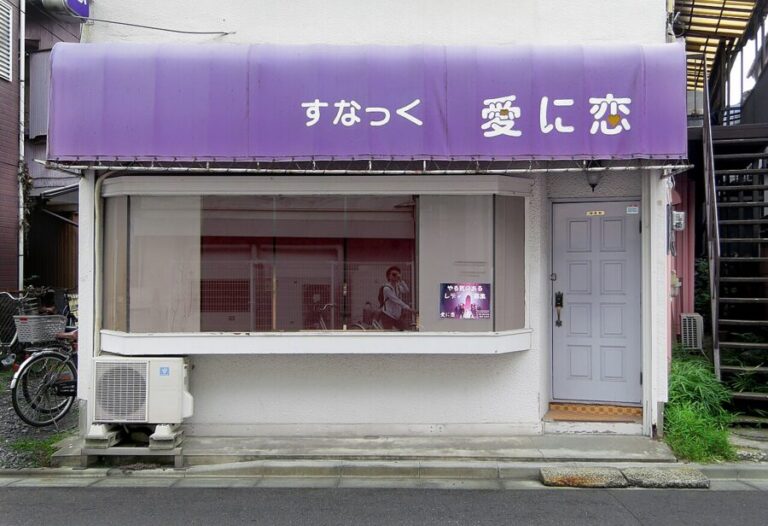
| 八百屋 | やおや | yaoya | greengrocer |
| 八百長 | やおちょう | yaochō | a fixed match |
| 八百万の神 | やおよろずのかみ | yaoyorozu no kami | the countless gods |
| 八重桜 | やえざくら | yaezakura | double-flowered cherry |
| 八方美人 | はっぽうびじん | happō bijin | someone who tries to please everyone |
| 嘘八百 | うそはっぴゃく | uso happyaku | a pack of lies |
| 八つ当たり | やつあたり | yatsuatari | taking it out on whoever is near |
八百屋, the eight hundred shop
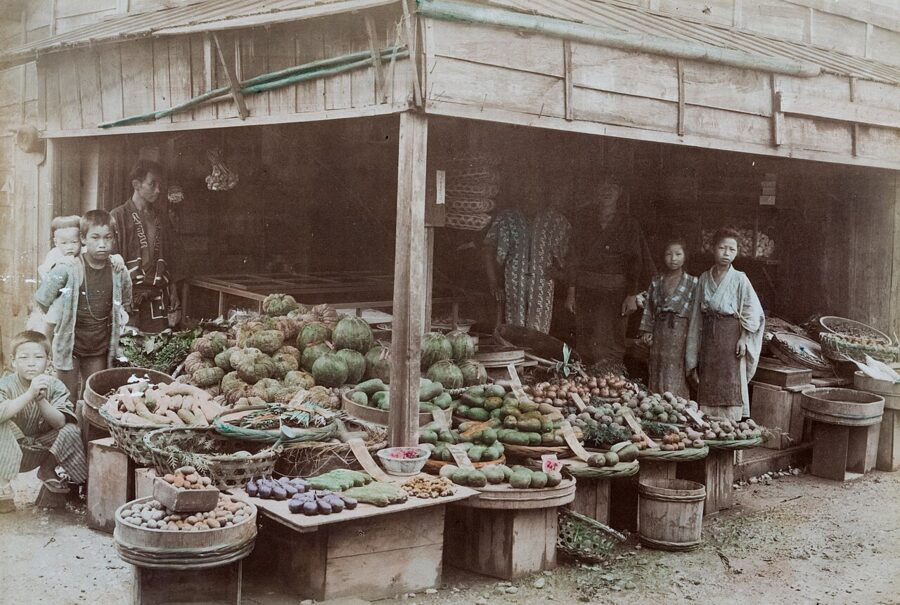
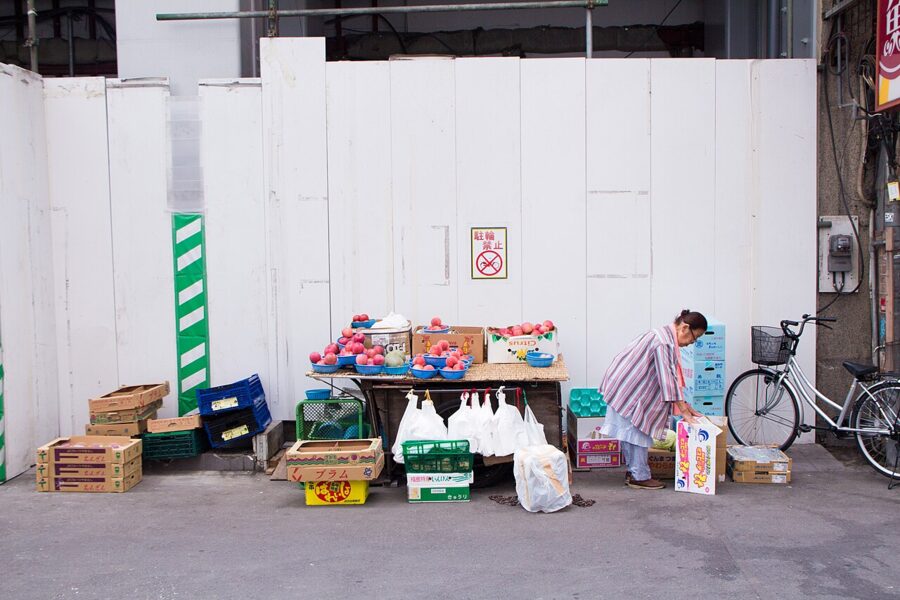
The yaoya sells vegetables and fruit, but the name remembers a bigger stock. The encyclopedias’ history of the yaoya has shops in 17th-century cities carrying every kind of vegetarian side dish, dried goods, seaweed, nuts and roots, hence “eight hundred” things; by the 18th century they had narrowed to greens, root vegetables and fruiting vegetables. The word also means a dabbler who knows a little about everything.
The same “eight hundred” turns up in yaochō, a fixed contest. The dictionaries’ story is of a greengrocer called Chōbei, nicknamed Yaochō, who played go with a sumo elder and, though he could have won, kept the games level at one win each. The word now means match-fixing in any sport, and the Jōyō table lists its reading beside yaoya.
八百万の神, the eight million gods
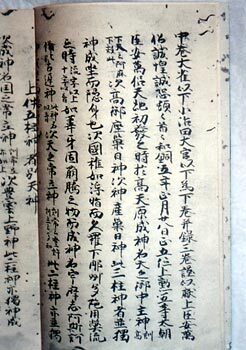
Shinto speaks of yaoyorozu no kami (八百万の神), “eight hundred ten-thousands of gods”, which is to say gods without number. The phrase is in the Kojiki of 712, where the gods gather on the bank of the Heavenly Yasu River to lure the sun goddess out of her cave. Nobody was counting: the number is there to be too large to count.
八重桜, the double cherry
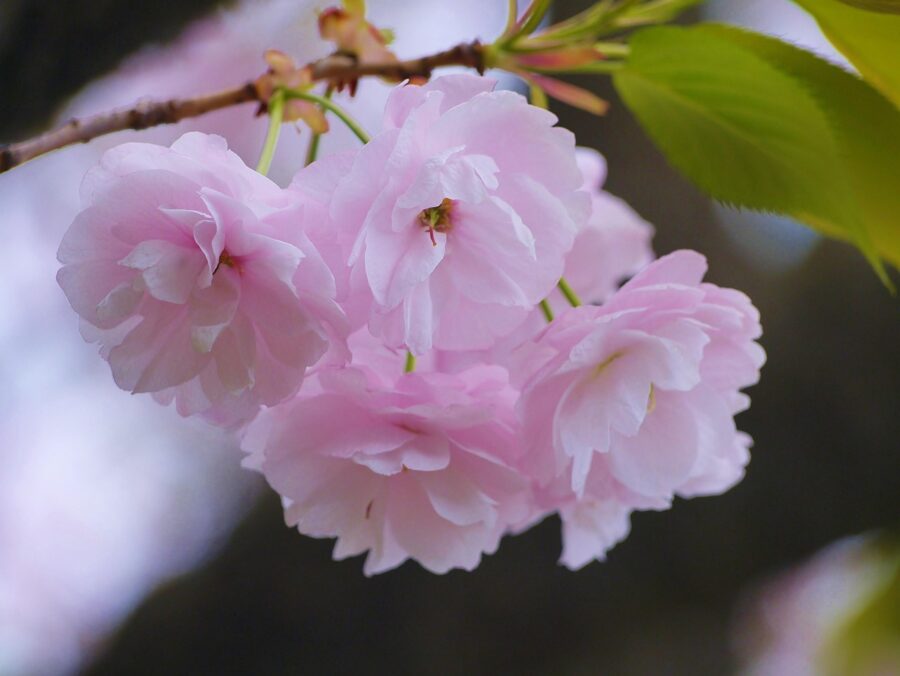
Yaezakura are the cherries with layer on layer of petals, garden varieties that open later than the single-flowered Somei Yoshino, when the season has moved into late April. The court poet Ise no Taifu built a poem on the number, now number 61 of the Hyakunin Isshu anthology: the eightfold cherry of the old capital, Nara, “today blooms in the ninefold palace”, kokonoe (九重) being a name for the imperial court in Kyoto.
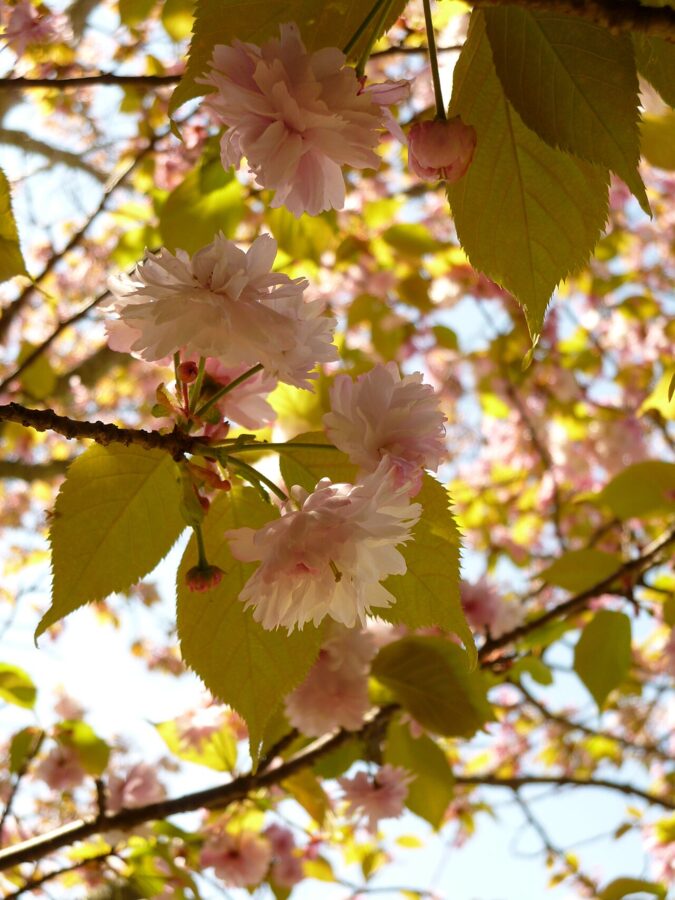
In the 14th century the essayist Yoshida Kenkō grumbled that the double cherry, once found only in Nara, was now everywhere, and that single blossoms were better. In a rainy spring, when the heavy heads sag like soaked tissue, he has a point.
八方美人, 嘘八百 and 八つ当たり
Happō bijin (八方美人) began as praise, a beauty with no flaw from any of the eight directions. It now means someone agreeable to everyone and committed to no one, usually said with disapproval; the earliest example dictionaries quote is from Mori Ōgai in 1912.
Uso happyaku (嘘八百), “eight hundred lies”, is a tissue of untruths, quoted in a haikai collection from 1677. Yatsuatari (八つ当たり) is lashing out at people who had nothing to do with your bad day, like the dictionary’s student who fails an exam and takes it out on his little brother. And the dictionary phrase hitai ni hachi wo yoseru (額に八を寄せる), “to gather a 八 on the forehead”, is a frown: brows knotted into the shape of the character.
Why eight is lucky: suehirogari
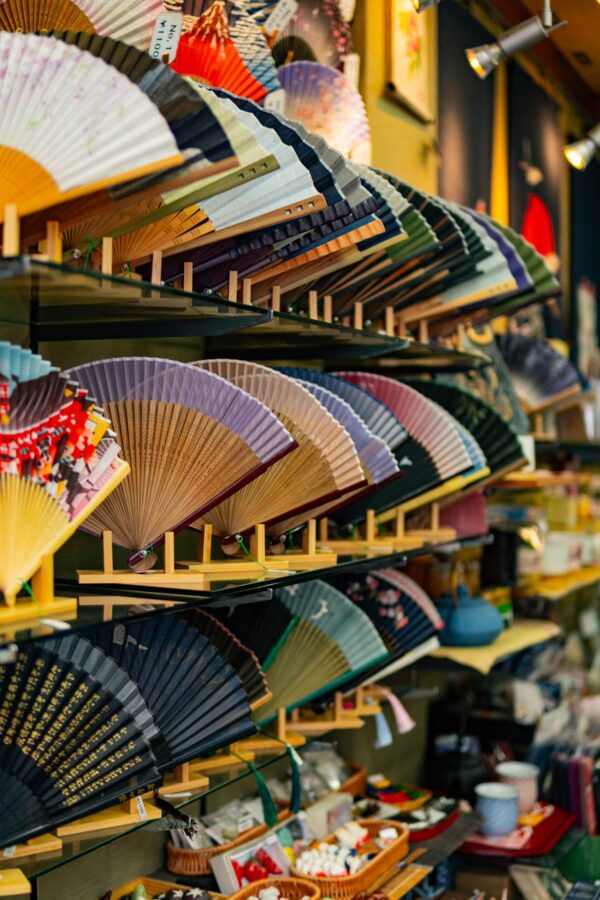
Ask in Japan why eight is lucky and the answer is the shape, not the sound. The dictionary entry for suehirogari gives “the widening character 八” as its own example: narrow at the top, broad at the bottom, a future that keeps opening out. The same word means a family or business that prospers more as time goes on, and it was an old name for the folding fan used at celebrations.
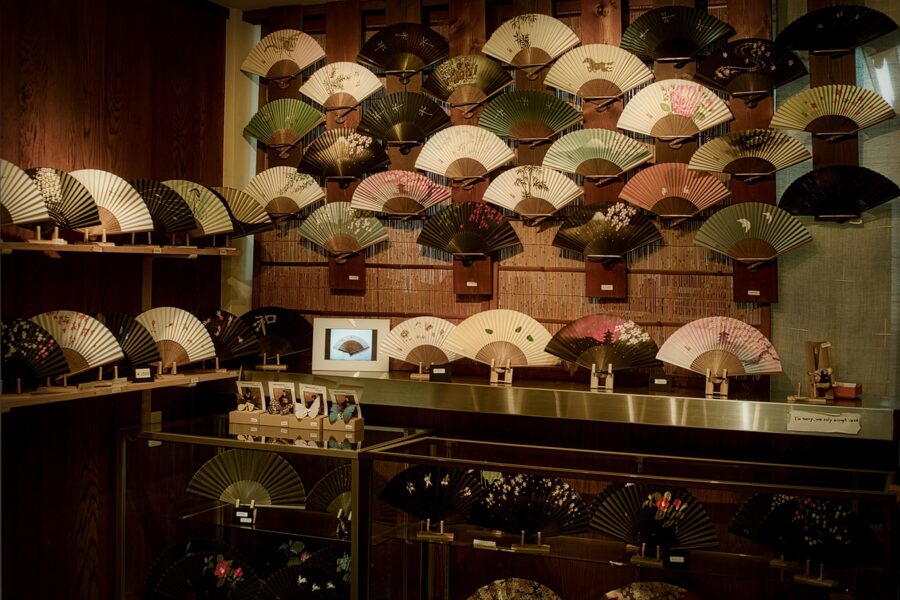
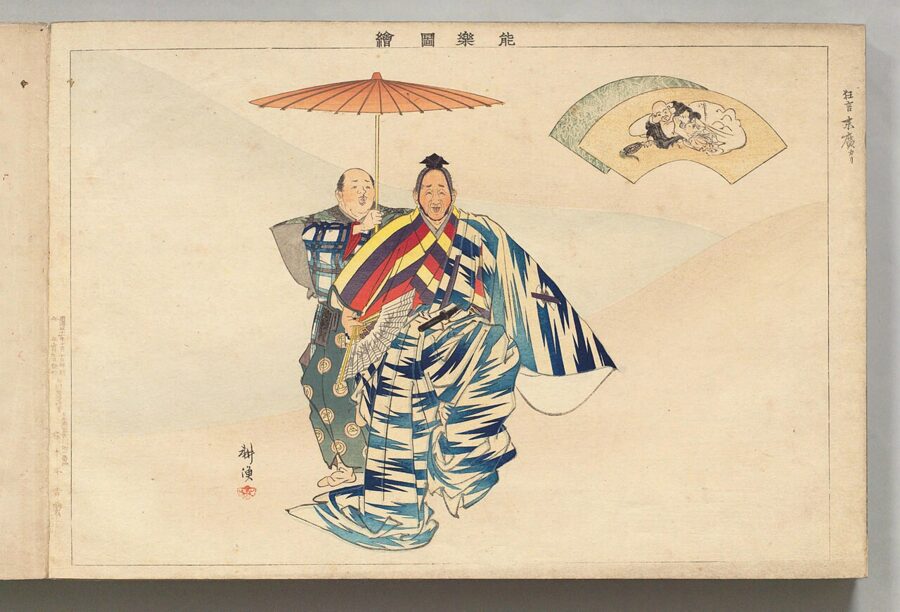
A comic kyōgen play is built on the word. In Suehirogari, a rich man sends his servant Tarō-kaja to the capital to buy one as a gift. The servant has no idea it means a fan, and a swindler sells him an old umbrella, which also widens at the end. The master is furious until the servant sings the song the swindler taught him, and the play ends with both of them dancing.
Four and nine are the numbers that eight is played against. Four, shi, sounds like death (死) and nine, ku, like suffering (苦), and the folklore of unlucky numbers warns against moving house on a day with a four in it. It also holds a surprise: traditional gifts avoid even counts, eight included, and favour three, five, seven and nine.
China prizes eight for a different reason. In Cantonese 八 (baat) rhymes with 發 (faat), to prosper, which is why the Beijing Olympics opened at eight in the evening on 8 August 2008. That reason is often borrowed for Japan, but hachi rhymes with nothing lucky in Japanese. The Japanese luck is in the two strokes.
Eight in myth: the serpent, the fence and the islands
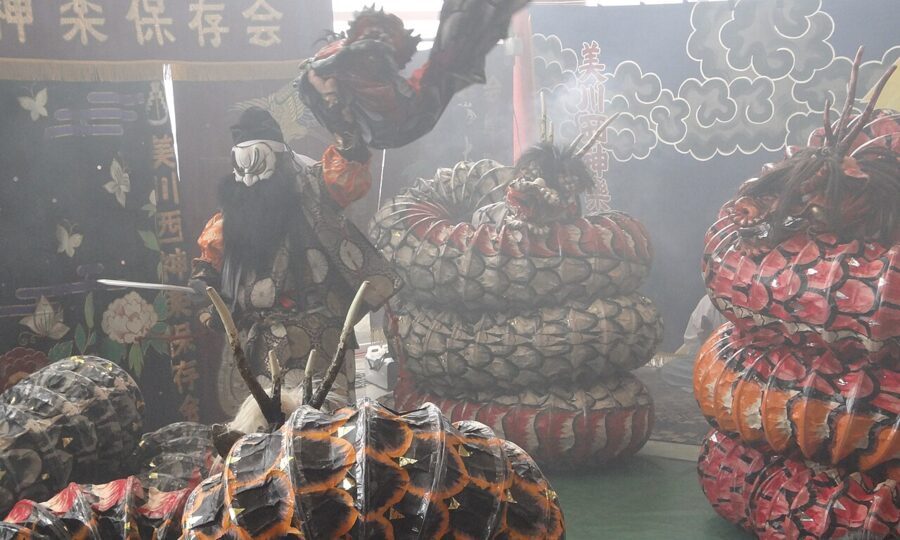
The Kojiki is full of eights, and most of them mean “many”. The best known is Yamata no Orochi (八岐大蛇), the serpent with eight heads and eight tails, whose body stretched over eight valleys and eight hills, with cypress and cedar growing on its back. By the dictionaries’ account it lived up the Hi River in Izumo and came every year to eat one of an old couple’s eight daughters; seven were already gone.
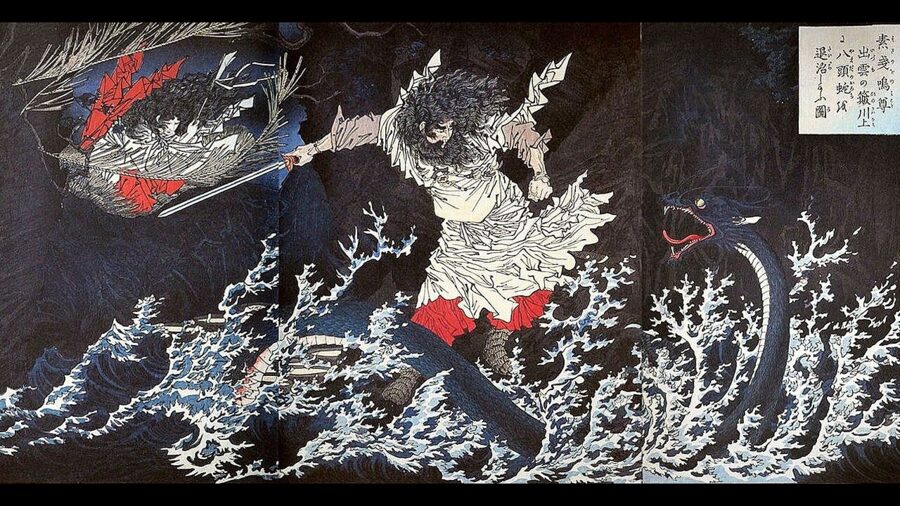
The storm god Susanoo, thrown out of heaven, offered to kill it in exchange for the last daughter, Kushinadahime. In the Kojiki he has the household brew a strong sake, build a fence with eight gates and set a vat at each one. The serpent drank, slept, and was cut to pieces, and in one of its tails Susanoo found the sword later called Kusanagi, one of the three imperial regalia.
Having married Kushinadahime, Susanoo built a palace at Suga and sang what tradition counts as the first Japanese poem: yakumo tatsu / Izumo yaegaki / tsumagomi ni / yaegaki tsukuru / sono yaegaki wo. Clouds rise in eightfold banks over Izumo, and he builds an eightfold fence to keep his wife within. Four eights in five lines, and not one of them a count.
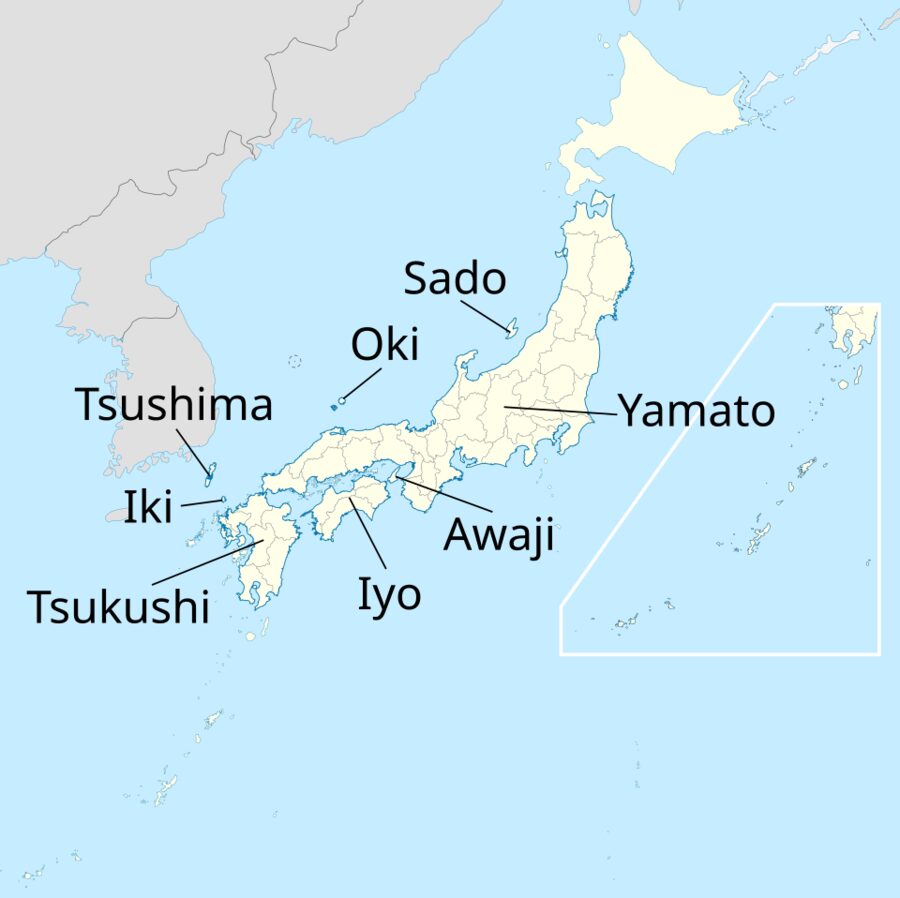
The country has an eight in its oldest name, too. Ōyashima (大八洲), the “great eight islands”, is Japan as born to the gods Izanagi and Izanami. The Kojiki names the eight: Awaji, Iyo (Shikoku), Oki, Tsukushi (Kyushu), Iki, Tsushima, Sado and the big island now called Honshu. The Nihon Shoki gives a different eight, and the Nipponica points out that ya here may simply mean “many islands”, which fits a country made of thousands of Japanese islands.
Where to see 八: Hachiman, Yasaka and the map
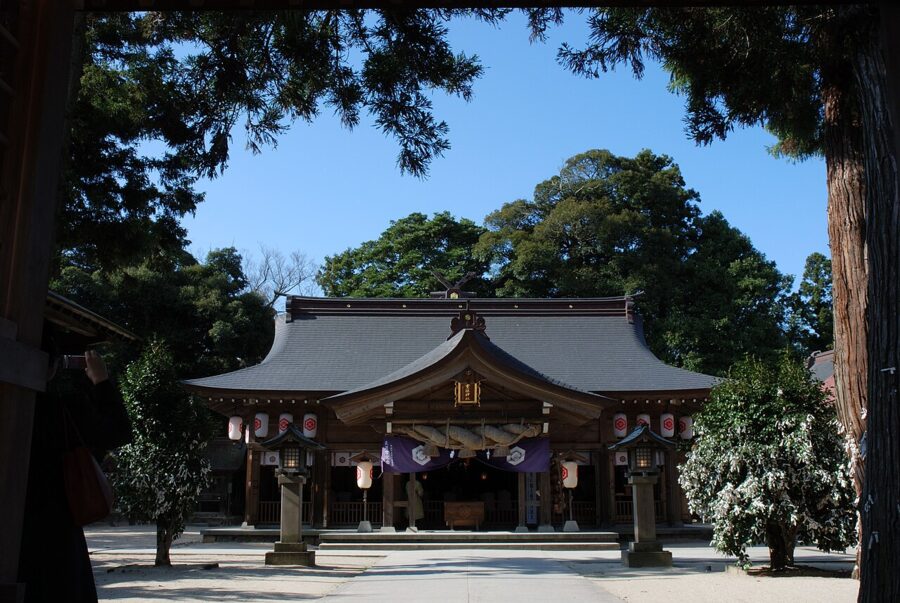
The 八 you will pass most often is on a shrine gate. Hachiman (八幡), written with the characters for “eight banners”, is the god identified with Emperor Ōjin, adopted by the Minamoto clan as guardian and later by samurai in general. His head shrine, Usa Jingu in Oita Prefecture, counts more than 40,000 Hachiman shrines across Japan; the Nihon Kokugo Daijiten gives a more cautious 24,000 or so.
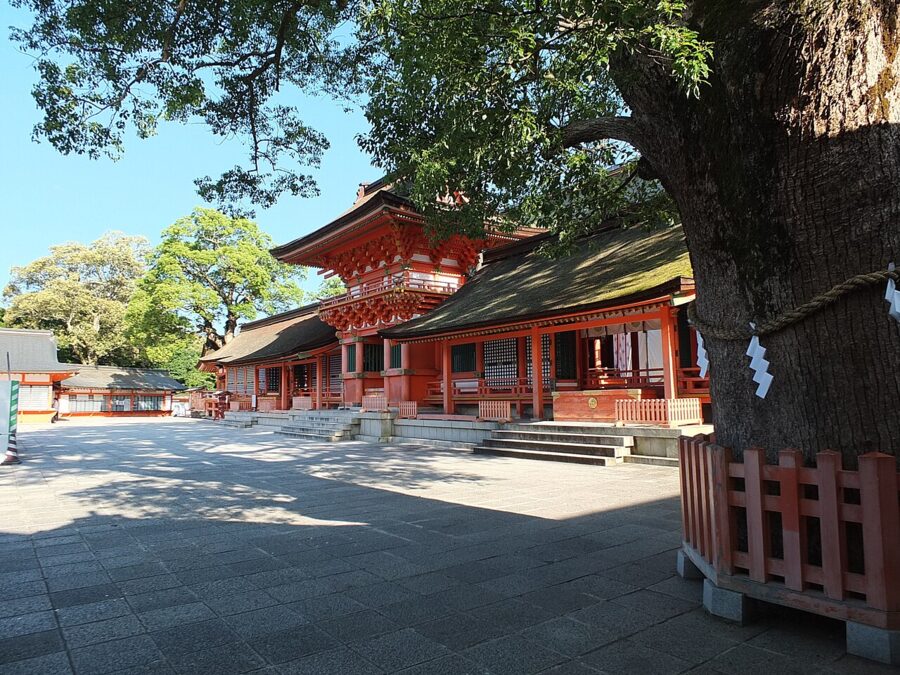
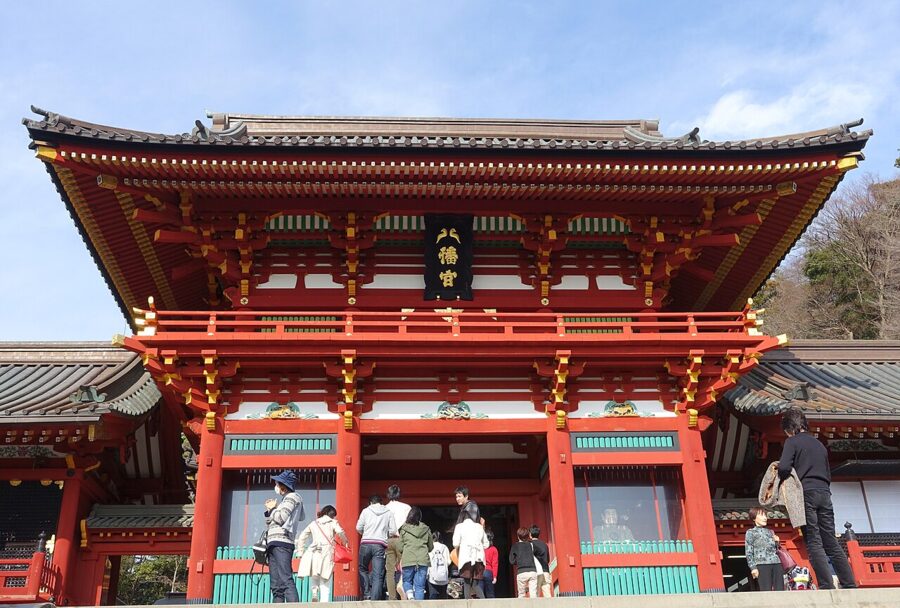
The two best known on the main island are linked. Iwashimizu Hachimangu took Hachiman from Usa in 860 and set him on Otokoyama, south-west of Kyoto, and in 1063 the warrior Minamoto no Yoriyoshi brought him on from Iwashimizu to Kamakura. His descendant Yoritomo moved that shrine to its present site in 1180, and it is now Tsurugaoka Hachimangu, the centre of Kamakura.
The same characters change their reading on the map. The town around Iwashimizu is Yawata (八幡市), and the steel town in Kitakyushu is Yahata; only the god is Hachiman.
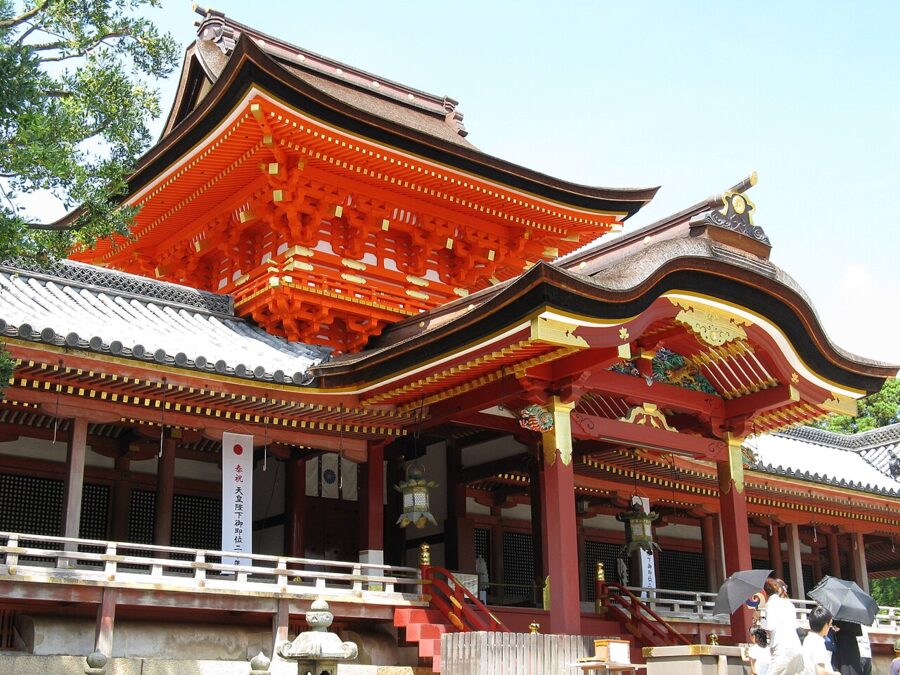
Yasaka Shrine, Kyoto
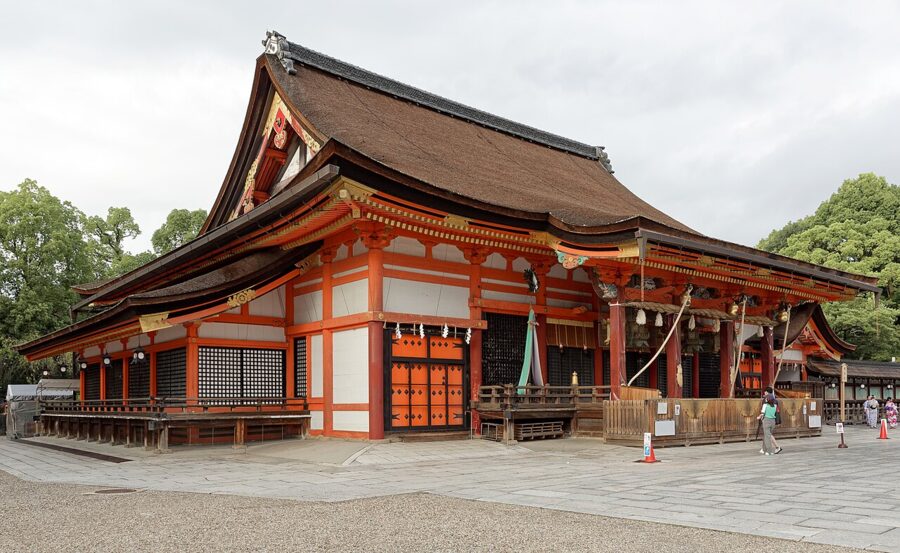
At the top of Shijō-dori in Gion stands Yasaka Shrine (八坂神社), “eight slopes”, the shrine of the Gion Festival. It was called Gion-sha until 1868, when the government separated Shinto from Buddhism and the shrine took the name Yasaka. It heads a few thousand Yasaka and Gion shrines across Japan.
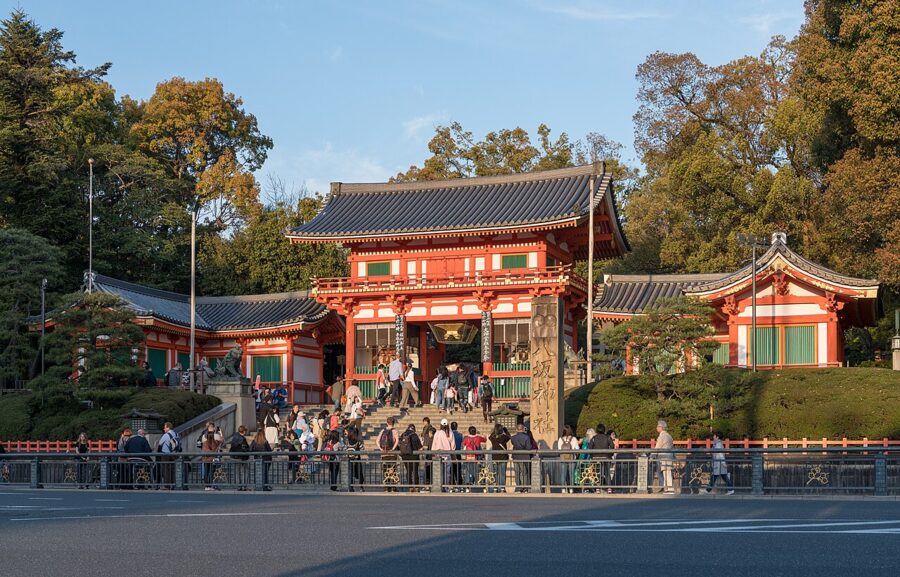
The eights do not stop at the name. The main god here is Susanoo, the serpent-slayer, enshrined with Kushinadahime and his eight children, the Yahashira no Miko-gami (八柱御子神). As of November 2026 the grounds are open 24 hours, with the shrine office open 9:00 to 17:00, and the nearest station is Gion-Shijō on the Keihan line, about five minutes’ walk away.
Eight on the railway map
Place names use 八 in every way the character allows. Hachiōji, in western Tokyo, takes its name from a shrine to the Hachiōji, the eight princely gods, five male and three female, born when the sun goddess and Susanoo made their pact. Hachinohe in Aomori is “the eighth gate”: in the Kamakura period the Nukanobu district was split into numbered gates, Ichinohe to Kunohe, and several survive as place names.
Yaesu, the east side of Tokyo Station, uses 八 for its sound alone. The name comes from Jan Joosten van Lodensteijn, a Dutchman who reached Japan on the Liefde in 1600 and was given a house in Edo by Tokugawa Ieyasu; his name, bent into Japanese, was written 八重洲. On a ticket to Yaesu, 八 means nothing at all.
Next time you write it, watch the two strokes leave each other at the top and keep going. That gap is the whole of the luck, and three thousand years ago it was the whole of the meaning: to part.