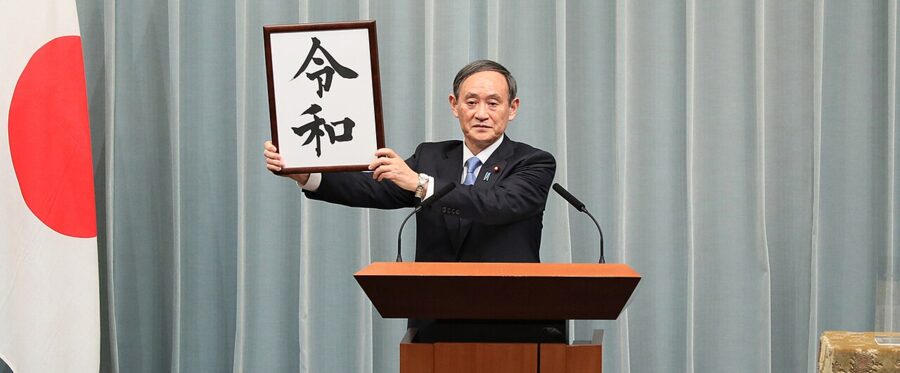
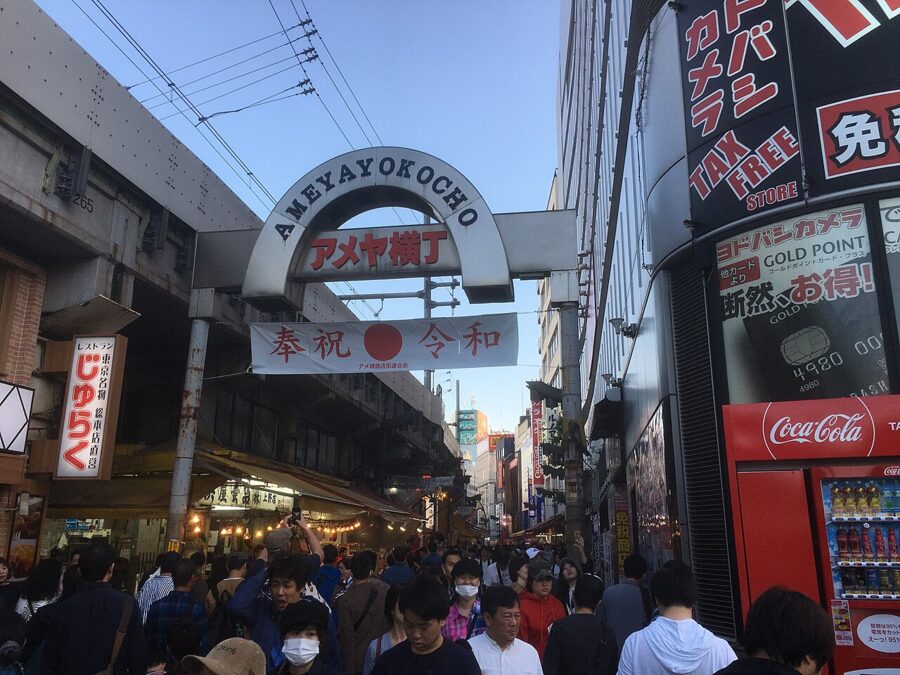
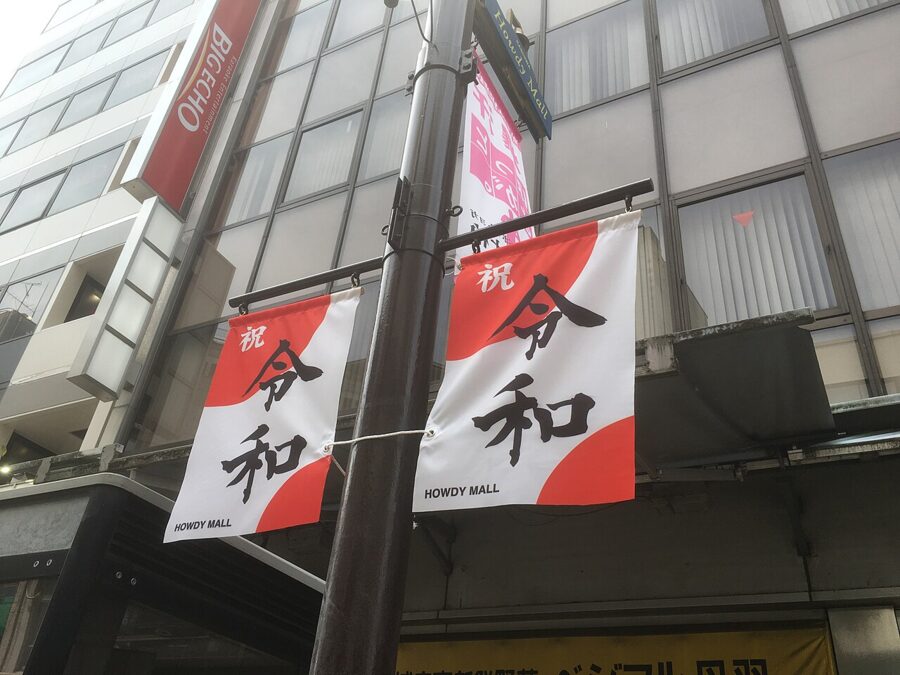
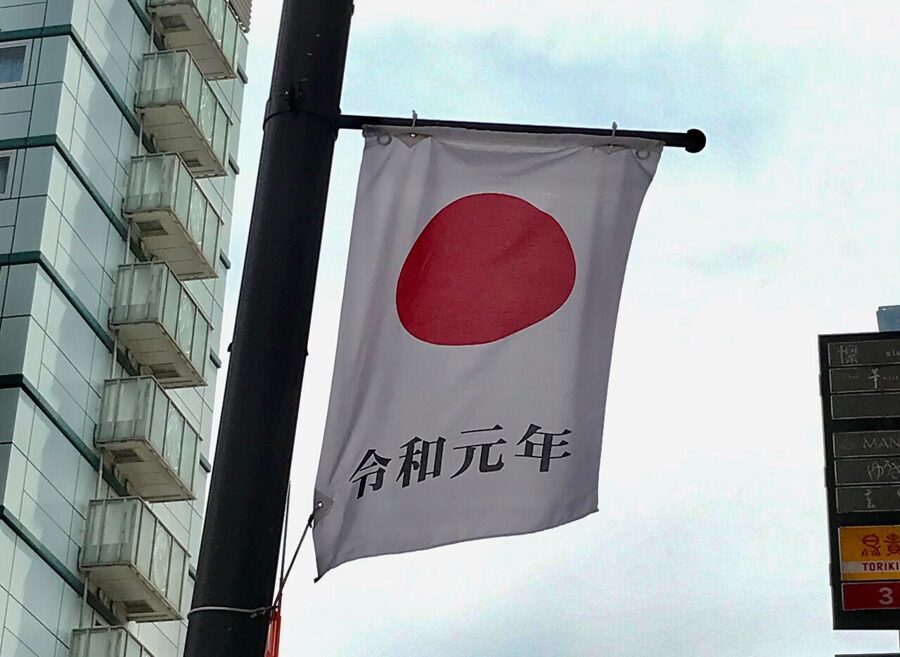
At 11:41 on 1 April 2019, Yoshihide Suga walked to a lectern in the Prime Minister’s Office, lifted a white board framed in black, and showed the cameras two brushed characters: 令和. A month later, at midnight on 1 May, every calendar in Japan would be counting from year one again.
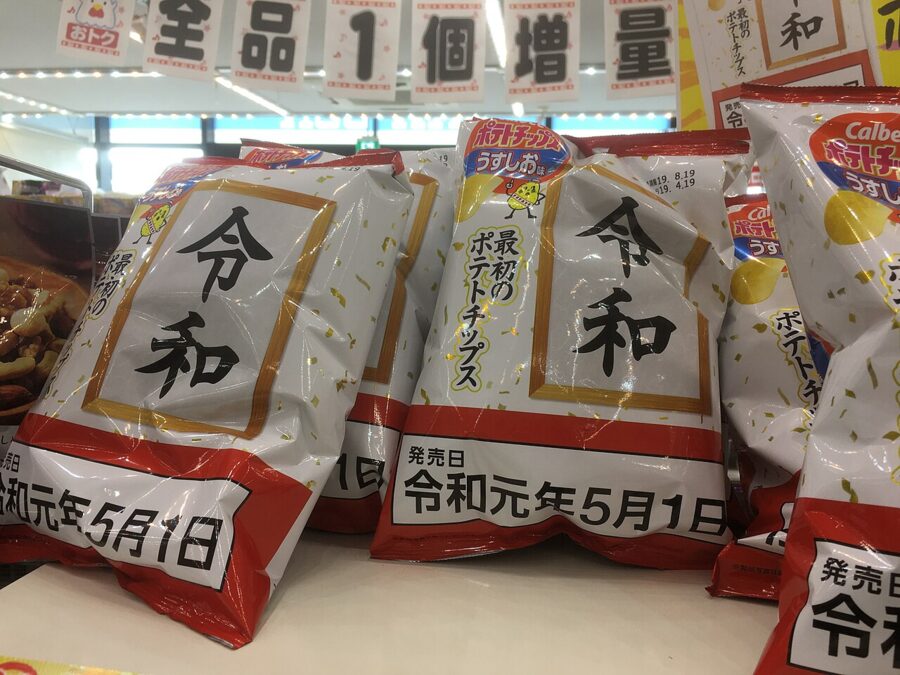
The two characters were Reiwa (令和), and they were an era name, a gengō (元号). Japan still numbers its years by them. Birth dates on forms, the year on a coin and the date on a council letter all start with one. As I write, in November 2026, it is Reiwa 8.
元号 describes itself. 元 is the origin, the character that makes year one gannen (元年), “origin year”, and 号 is a name. An era name names the first year, and the years are counted from it until the name changes.
In this article
- 元号: naming the years since 645
- One reign, one name: Meiji and the 1979 Era Name Act
- How a new era name is chosen
- Reiwa, character by character
- Meiji, Taisho, Showa, Heisei, Reiwa: the names and their sources
- Era years in daily life
- Japan's Y2K: the computer bugs of 2019
- Where the name came from, today
元号: naming the years since 645
The idea came from China, where Emperor Wu of Han named a year Jianyuan (建元) in 140 BCE; to name the years was to rule time as well as land. Japan’s first era began in 645, when Emperor Kōtoku took the throne after a palace coup and called the year Taika (大化), “great change”.
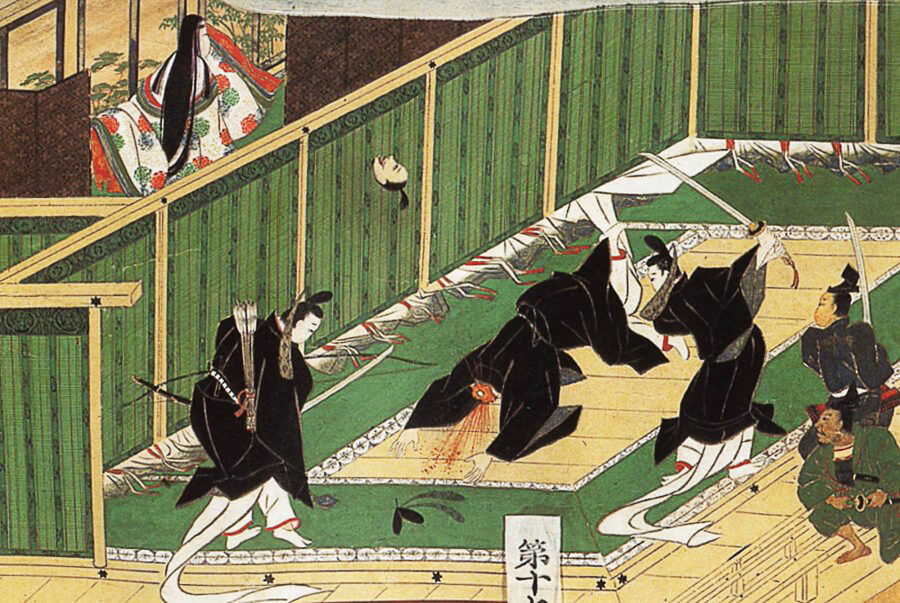
The first names did not stick. Taika gave way to Hakuchi (白雉), “white pheasant”, after a white pheasant was presented at court in 650, and then the system lapsed, apart from a few months as Shuchō (朱鳥) in 686. Continuous use starts in 701 with Taihō (大宝), “great treasure”, named for gold sent from Tsushima. The Taihō legal code of that year required documents to carry the era year, and Japan has never been without one since.
Before 1868 the name changed whenever the times seemed to call for it: a new reign, a lucky omen, a disaster, or the years of the sixty-year cycle that Chinese prophecy marked for upheaval. Floods and disease brought in Enchō (延長) in 923, and earthquakes and fires kept changing names into the nineteenth century. Go-Daigo and Go-Hanazono each changed the era eight times.
Reiwa is the 248th name on the list, counting from Taika and including the rival Northern Court’s eras of the fourteenth-century split. Between Taihō and Meiji an era lasted about five years on average; the shortest, Ryakunin (暦仁), ran about two and a half months in 1238 and 1239. A few eighth-century names stretched to four characters, such as Tenpyō-shōhō (天平勝宝).
Eras are not periods
Nara, Heian, Kamakura and Edo are historical periods, named by later historians after the seat of power. Era names are the dates people actually wrote: the Edo period held more than thirty of them, from Keichō to Keiō.
One reign, one name: Meiji and the 1979 Era Name Act
The modern rule dates from 1868. On the 8th day of the 9th month of Keiō 4, which the Western calendar calls 23 October 1868, the new government changed the era to Meiji (明治) and announced that from now on each reign would have a single name. The principle is issei ichigen (一世一元), “one reign, one era”, borrowed from Ming and Qing China.
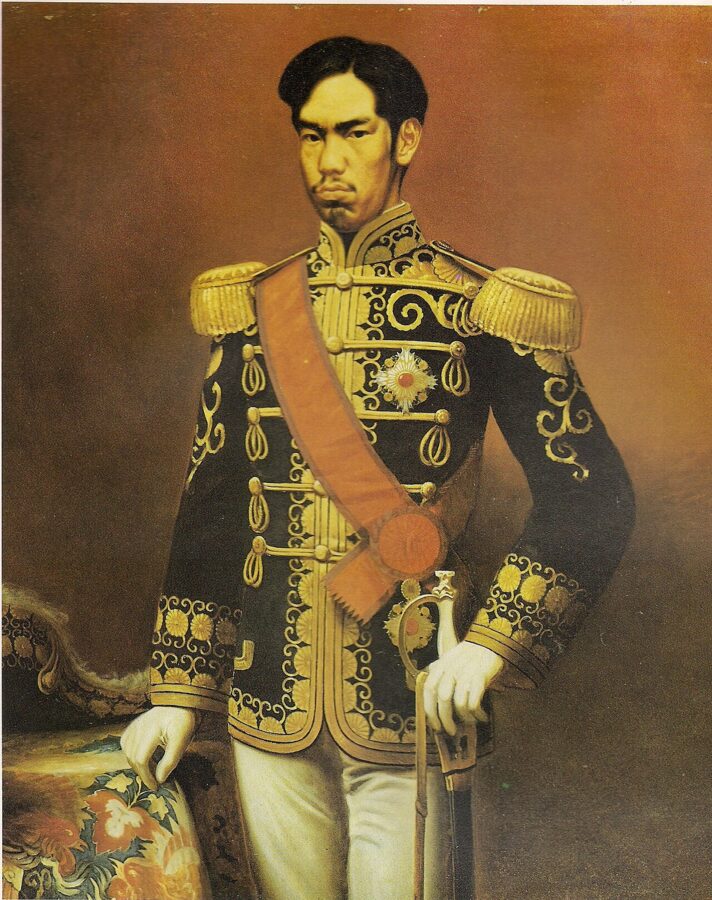
Meiji itself was drawn by lot. The councillor Matsudaira Yoshinaga picked two or three names from the scholars’ proposals, and the young emperor drew one in front of the palace sanctuary. The name was applied back to the start of the year, so all of 1868 is Meiji 1.
The 1889 Imperial House Law fixed the rule; its 1947 replacement dropped it, and for three decades Shōwa ran on custom while people argued over abolition. Conservatives pushed it back into law, and in June 1979 the Diet passed the Era Name Act (元号法), one of the shortest laws Japan has. Its whole main text is two sentences:
1. 元号は、政令で定める。
2. 元号は、皇位の継承があつた場合に限り改める。
“The era name is set by cabinet order. The era name is changed only when there is a succession to the throne.” A supplementary clause declares Shōwa set under the first line. Nothing obliges anyone to use era years: government offices do, and most companies use Western ones.
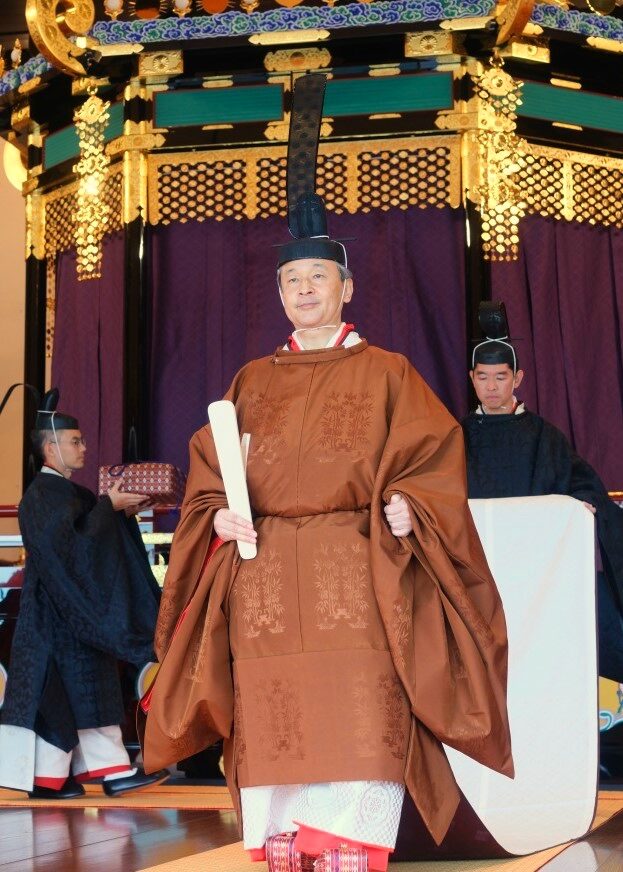
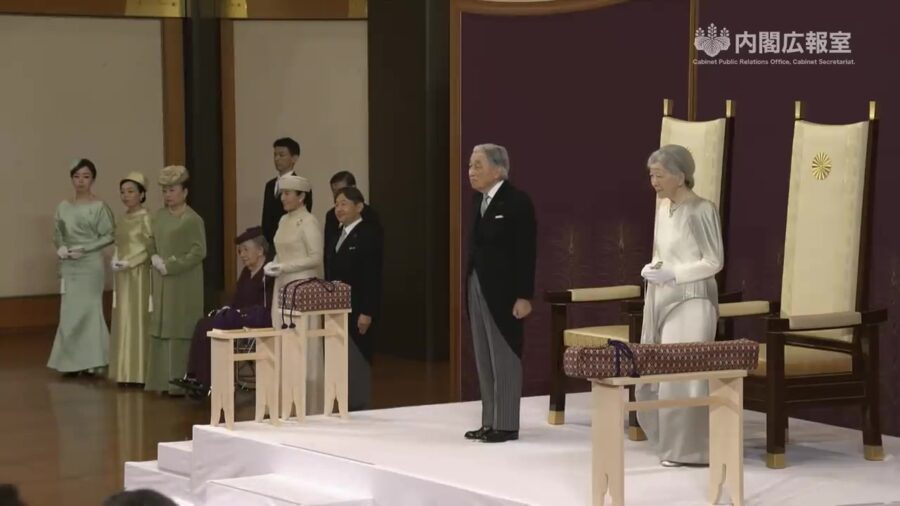
The cabinet order is shorter still. Cabinet Order 143 of 2019 says only “The era name is changed to Reiwa”, in force the day after Emperor Akihito’s abdication on 30 April 2019.
How a new era name is chosen
The procedure comes from a cabinet report of 23 October 1979, summarised by the National Archives of Japan: scholars chosen by the prime minister propose names in secret, and the full cabinet decides. In practice officials narrow the list, a panel of prominent people gives its opinion, and the speakers of both houses are consulted first. The emperor does not choose. Each candidate is supposed to meet six conditions:
- a good meaning, fit to be the ideal of the nation
- two kanji
- easy to write
- easy to read
- never used before as an era name or an emperor’s posthumous name
- not in common use
One unwritten rule comes from English. Forms abbreviate eras as M, T, S and H, so a new name sharing an initial would make “S 30” ambiguous. In 1989 the final three were Heisei, Shūbun (修文) and Seika (正化), and the two losers both began with S, the initial of Shōwa. Matoba Junzō, the official running the selection, is quoted as telling the panel that after M, T and S, an H would sit well.
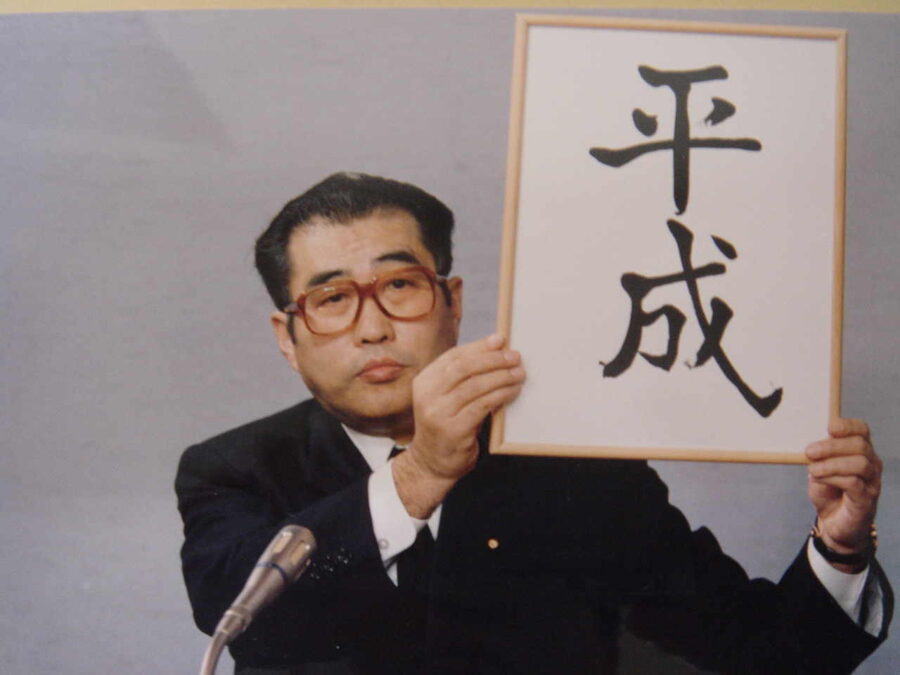
In 2019 a senior official told reporters that M, T, S and H had been ruled out from the start. Press reports later named the six drafts the panel saw on 1 April: Eikō (英弘), Kyūka (久化), Kōshi (広至), Banna (万和), Banpō (万保) and Reiwa. The government has never confirmed the list and keeps the proposer’s name secret at his request.
Secrecy is the other constant: in 2019 the panel handed in their phones. On 25 December 1926, the day Emperor Taishō died, the Tokyo Nichi Nichi Shimbun printed that the new era would be Kōbun (光文); the government announced Shōwa instead. Whether officials switched because of the leak or the paper guessed wrong is still argued.
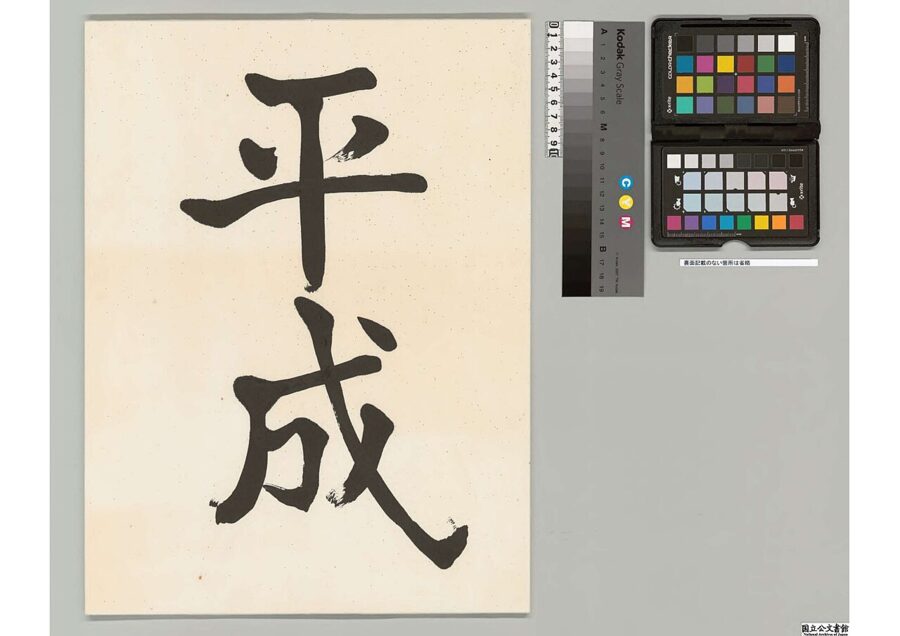
The cabinet also publishes the reading, れいわ, because kanji alone don’t settle it. Like Japanese surnames, an era name is read the way its owner says it is read.
Reiwa, character by character
令 is the character that caused the argument. Most dictionaries read its old form as a person kneeling under a cover to receive an order, and its everyday sense is “order”: meirei (命令), a command. But Chinese also used it for “fine”, which survives in reijō (令嬢), your daughter, and reigetsu (令月), an auspicious month. It has five strokes and is a grade 4 school character, one of the kyōiku kanji.
In print the bottom of 令 bends like a katakana マ; by hand the last stroke often drops straight down. The Agency for Cultural Affairs’ 2016 guidelines on character shapes accept both.
和 is harmony and calm, and it is also Japan itself: the old name Wa came to be written 和, so Japanese food is washoku (和食) and a Japanese-style room is a washitsu (和室). The old names of Japan run through it, and so do Shōwa and many older eras.
Foreign news desks translated Reiwa quickly and differently on the first afternoon, and some reached for “order” or “command”. The Foreign Ministry then told its embassies to explain the name as “beautiful harmony”. Prime Minister Shinzō Abe’s statement that afternoon glossed it as culture born and grown as people bring their hearts together beautifully. The source text settles which sense was meant.
The plum-blossom preface in the Man’yoshu
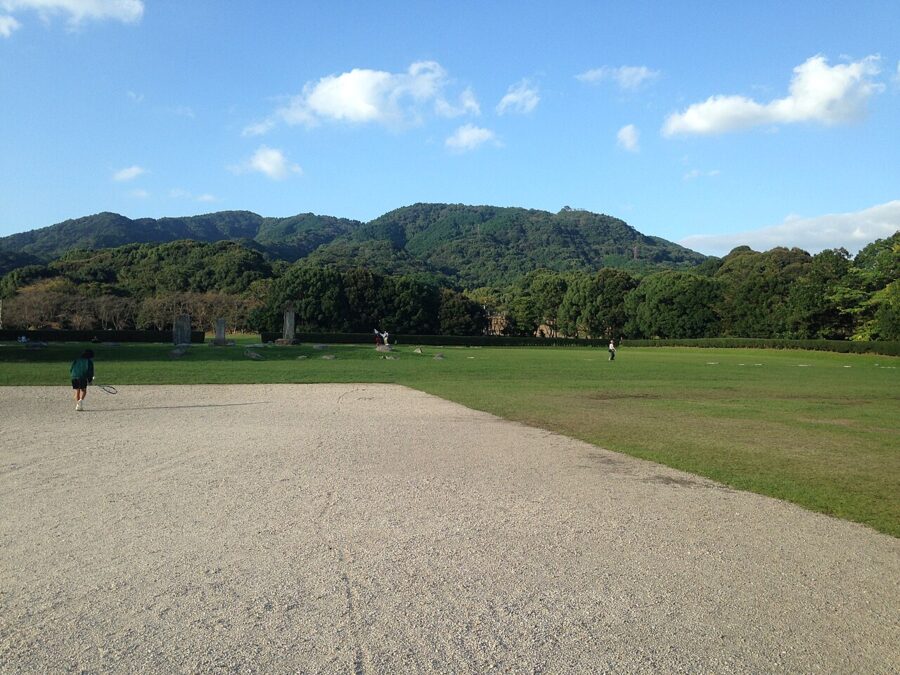
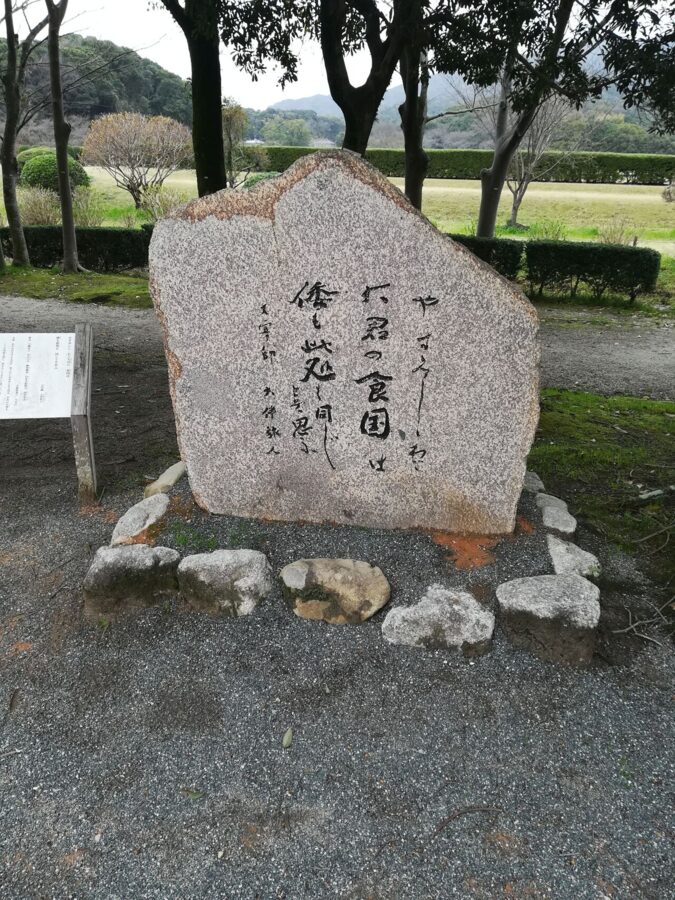
Every earlier era name with a known source came from the Chinese classics. Reiwa came from the Man’yōshū (万葉集), the oldest surviving anthology of Japanese poetry: the prose preface to 32 plum-blossom poems in Book 5, written in Chinese for a party held on the 13th day of the first month of Tenpyō 2, early in 730, at the house of Ōtomo no Tabito, governor of Dazaifu in northern Kyushu.
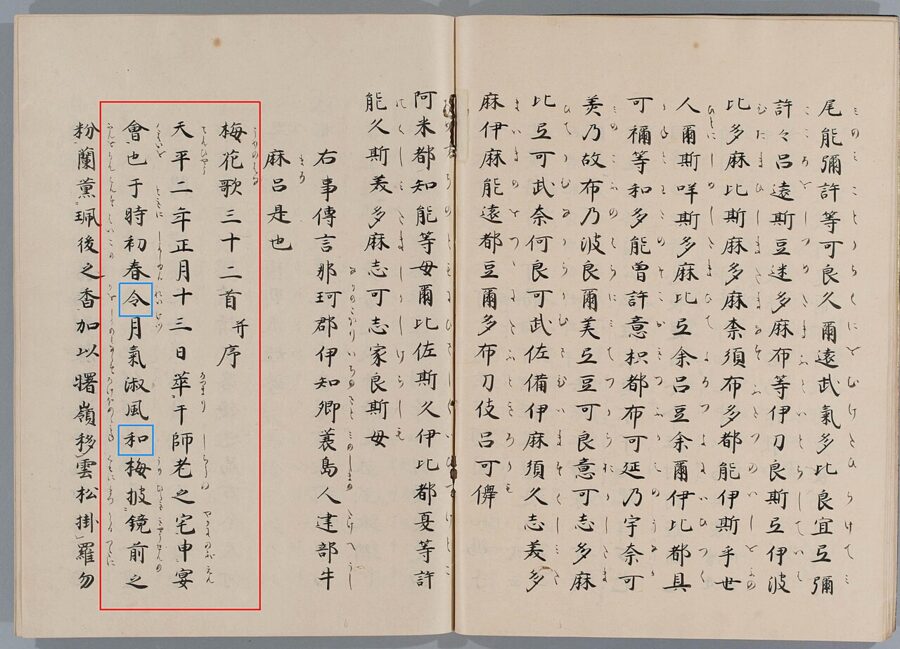
于時、初春令月、気淑風和、梅披鏡前之粉、蘭薫珮後之香。
In my rough English: “It was the fine month of early spring; the air was clear and the wind was soft; the plum opened like powder before a mirror, and the orchid gave off a scent like a perfume bag at the waist.” 令 comes from reigetsu, the fine month, and 和 from the wind that softens. Shōwa had been built the same way, one character from each of two phrases.
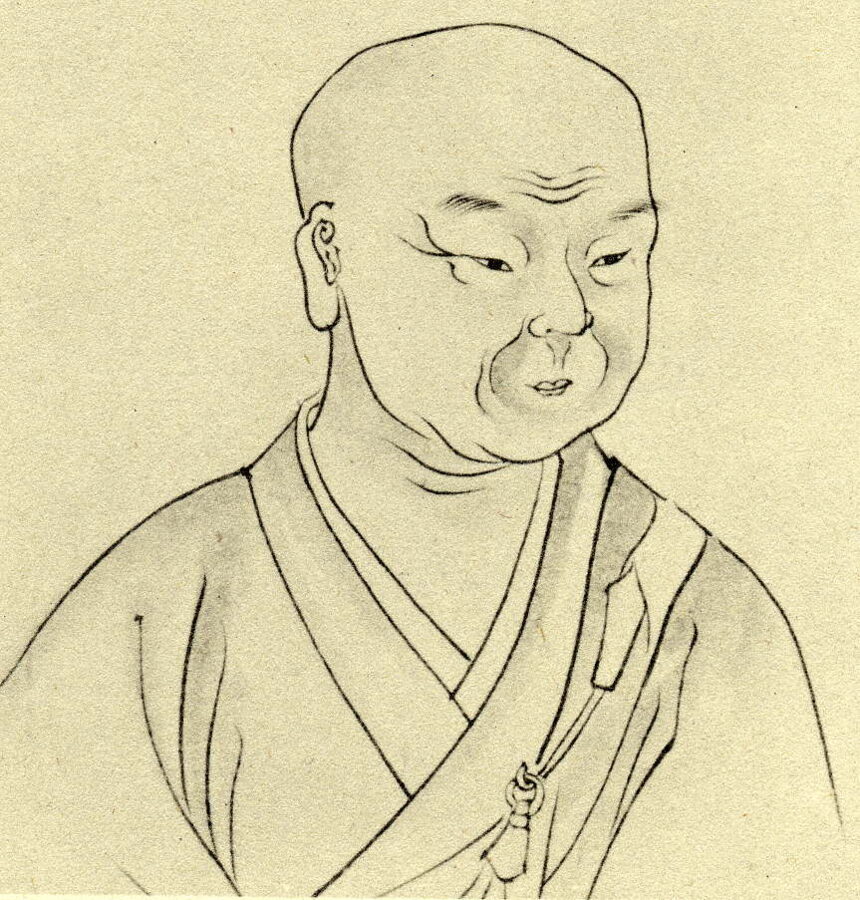
Within days, readers in China pointed out an older echo: Zhang Heng’s Han dynasty poem “Returning to the Fields” has 仲春令月、時和気清, “the fine month of mid-spring, the season mild and the air clear”. Commentators had noted it since the Edo-period monk Keichū. The source is a Japanese book written in Chinese by a man steeped in Chinese classics, which is a fair description of early Japanese writing.
Meiji, Taisho, Showa, Heisei, Reiwa: the names and their sources
Each modern name was cut from a classical sentence about good government.
| Era | Reading | Dates | Source line | What it says |
|---|---|---|---|---|
| 明治 | めいじ, Meiji | 1868–1912 | Book of Changes: 聖人南面而聴天下、嚮明而治 | The sage faces south to hear the realm, and governs turned towards the light |
| 大正 | たいしょう, Taishō | 30 July 1912–1926 | Book of Changes: 大亨以正、天之道也 | Great success through what is right is the way of heaven |
| 昭和 | しょうわ, Shōwa | 25 December 1926–7 January 1989 | Book of Documents: 百姓昭明、協和万邦 | The people are enlightened, and all nations live in harmony |
| 平成 | へいせい, Heisei | 8 January 1989–30 April 2019 | Records of the Grand Historian: 内平外成; Book of Documents: 地平天成 | Peace inside and out, on earth and in heaven |
| 令和 | れいわ, Reiwa | since 1 May 2019 | Man’yōshū Book 5: 初春令月、気淑風和 | A fine month in early spring, the air clear and the wind soft |
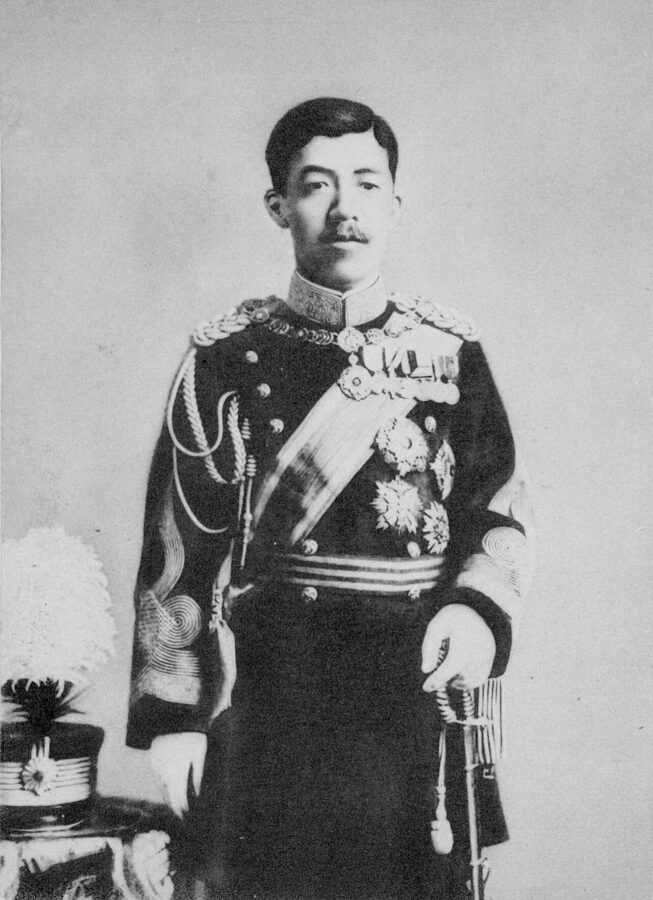
Shōwa is the record holder: 62 years and two weeks, numbered up to 64. Its first year lasted one week, from 25 to 31 December 1926, and its last ran from 1 to 7 January 1989. Heisei, the first name under the 1979 act, took effect the next day, reportedly to give word processors time.
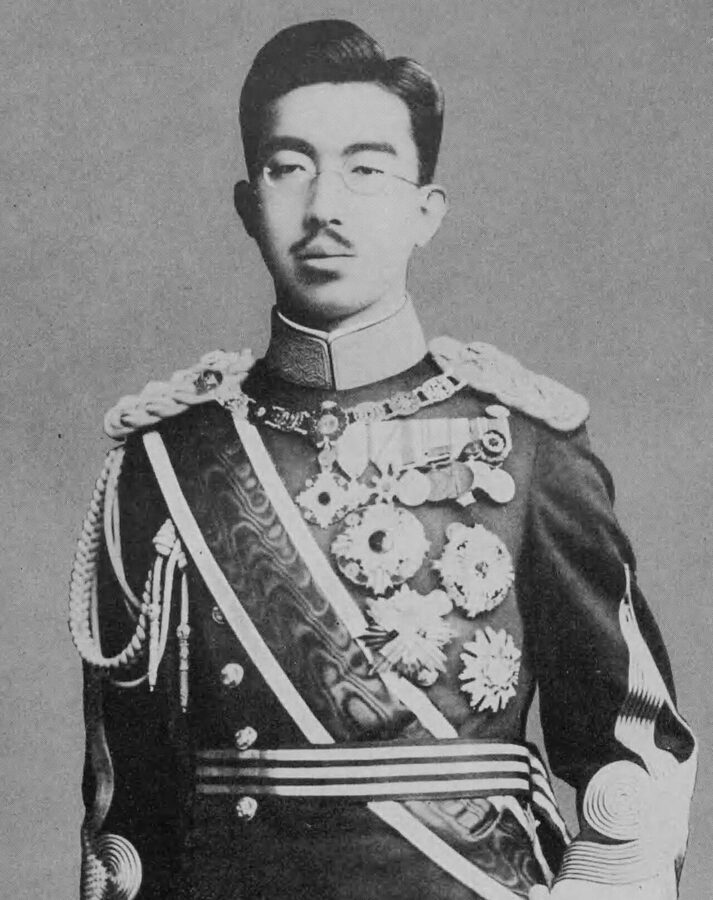
Why is Hirohito called Shōwa? Since Meiji, each emperor is named after death for his era, so Mutsuhito is Emperor Meiji and Hirohito is Emperor Shōwa. Calling the present emperor “Emperor Reiwa” is a mistake while he lives; he is Tennō Heika, His Majesty, and his father Akihito is the Jōkō, emperor emeritus.
Era years in daily life
The first year of an era is gannen, not “one”: 令和元年, Reiwa gannen. The first year starts on the day of the change; the second starts on 1 January like any other, so Reiwa 2 began on 1 January 2020. That gives the overlap years two names each: 1989 was both Shōwa 64 and Heisei 1, and 2019 both Heisei 31 and Reiwa 1.
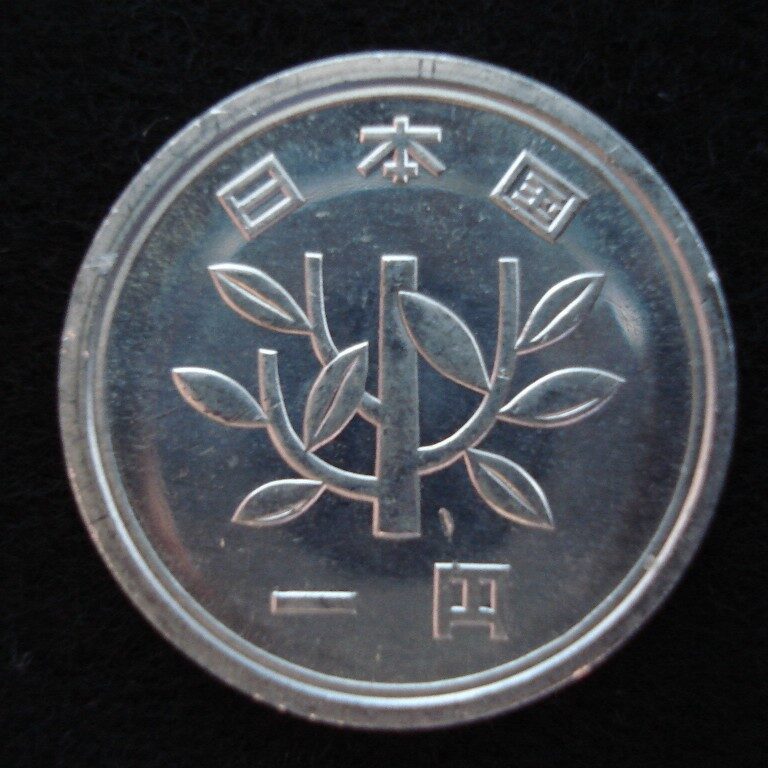
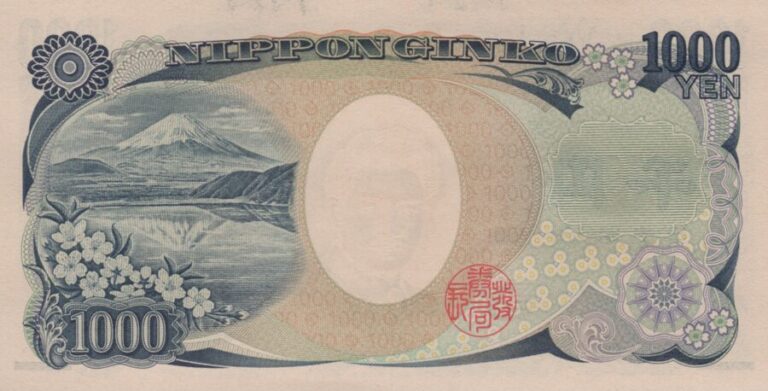
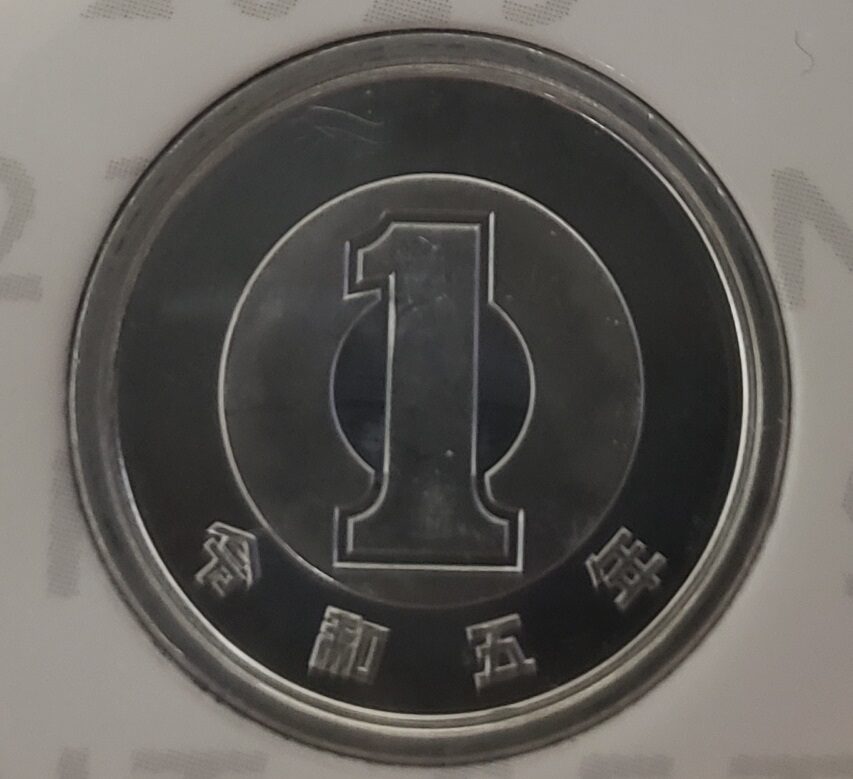
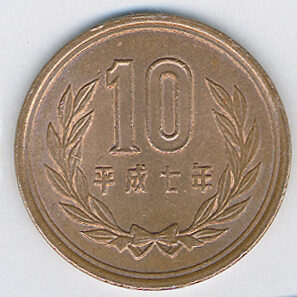
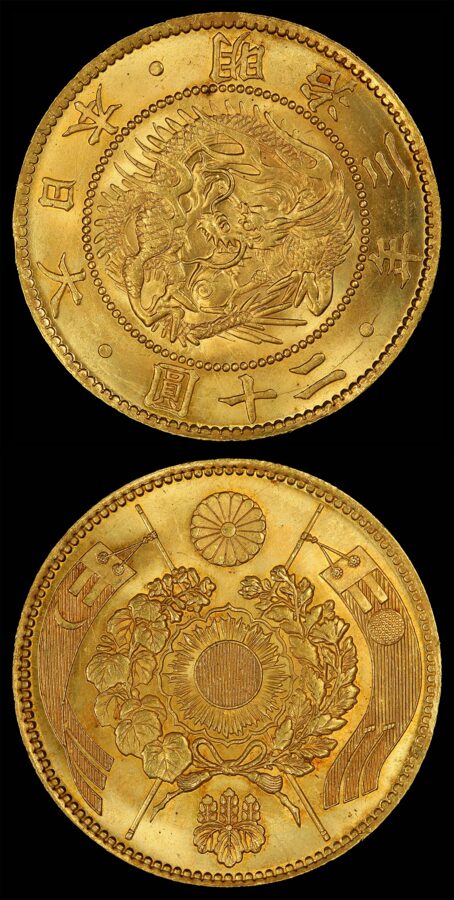
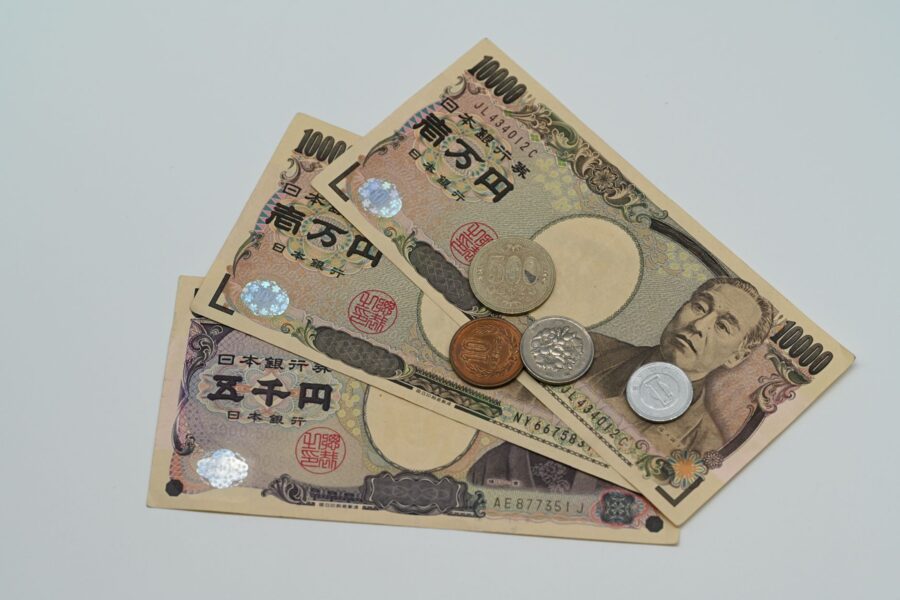
Japanese coins carry the era year in kanji numerals on the side with the numeral, so a pocket of change is a small history lesson. Banknotes carry no year at all.
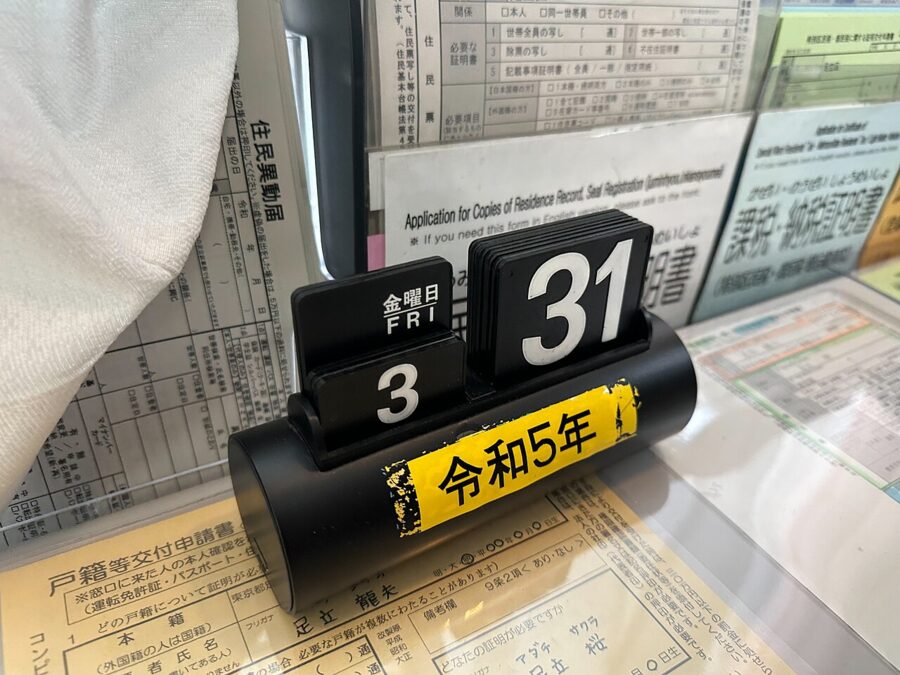
Forms are where most people meet the system. A Japanese birth date box often prints 明・大・昭・平・令 and asks you to circle one, then write the year in that era. Ward offices, tax returns, pensions and the family register use era years; companies and timetables mostly use Western ones.
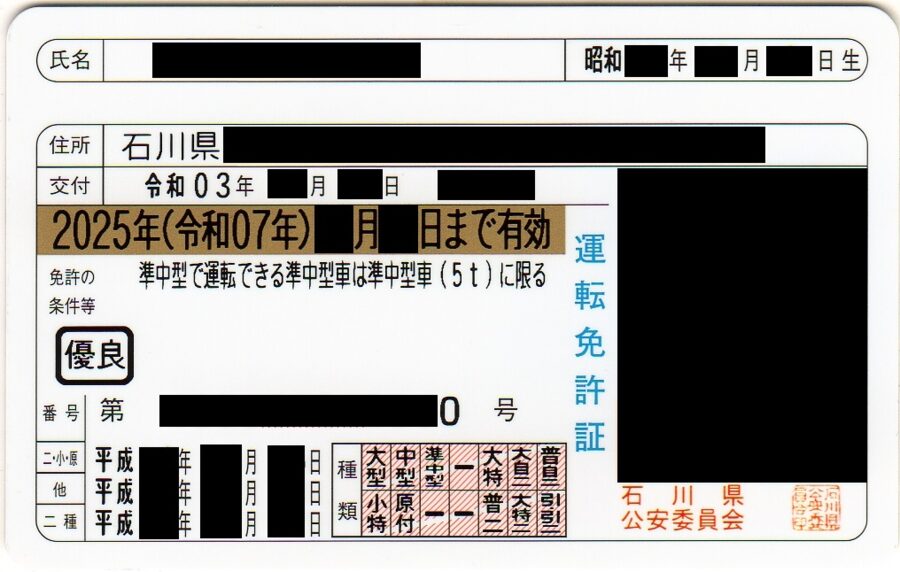
Driving licences show both systems now. Licences issued in Tokyo since 15 March 2019 give the expiry as a Western year with the era in brackets, and Tokyo’s police confirm that an older card reading “Heisei 36” is valid until Reiwa 6.
M, T, S, H and R
Japan’s date standard, JIS X 0301, writes an era year as an initial and two digits: R08.11.23 is 23 November 2026. You will see H, S and R on expiry dates, cards and receipts; R joined the set in 2019.
Converting era years to Western years
Add a fixed number to the era year: Reiwa plus 2018 gives the Western year, so Reiwa 8 is 2026.
| Era | Letter | Year 1 | Add to the era year | Example |
|---|---|---|---|---|
| Meiji 明治 | M | 1868 | 1867 | Meiji 45 = 1912 |
| Taishō 大正 | T | 1912 | 1911 | Taishō 12 = 1923 |
| Shōwa 昭和 | S | 1926 | 1925 | Shōwa 39 = 1964 |
| Heisei 平成 | H | 1989 | 1988 | Heisei 23 = 2011 |
| Reiwa 令和 | R | 2019 | 2018 | Reiwa 8 = 2026 |
A short example. A Japanese CV gives a birth date of 平成8年3月14日 and a graduation of 平成31年3月. Heisei 8 plus 1988 is 1996, so the writer was born on 14 March 1996 and graduated in March 2019, a month before Reiwa began. A form printed before the change might show an expiry of 平成32年, a year that never happened: it means Reiwa 2, 2020, and the government’s transition guideline told offices to treat such Heisei dates as valid rather than send forms back.
The ㋿ character
Japanese fonts have long packed era names into single square characters: ㍾ Meiji, ㍽ Taishō, ㍼ Shōwa and ㍻ Heisei, all in Unicode since 1991. The Unicode 12.1 release of 7 May 2019 added exactly one character, U+32FF SQUARE ERA NAME REIWA, ㋿. The code point had been reserved before anyone knew the name. If you see an empty box, your font has not caught up.
Japan’s Y2K: the computer bugs of 2019
Most office software in Japan was written during Heisei and knew no other era. In 2018 Microsoft and other vendors warned that their date code had never met an era change, and Windows 10 shipped a placeholder registry entry so that programs could be tested with an imaginary new era. The name was announced a month ahead, for the first time, to give systems that month to adapt.
The problems were small and odd rather than disastrous. Reported cases included ATMs showing a scheduled transfer in 1989, the year of Heisei 1, and a regional bank’s receipts printing the year as 32, for a Heisei 32 that never came. Forms already printed with 平成 were corrected by hand.
The next quiet deadline has already passed. Systems that kept counting in Shōwa years with two digits reached Shōwa 100 in 2025, when 99 rolled over to 00, and IT writers warned about it years in advance under the name “the Shōwa 100 problem”. The government, for its part, is marking a century since the Shōwa era began.
Where the name came from, today
Dazaifu, half an hour by train from central Fukuoka, is the place to go. Sakamoto Hachimangū, a small shrine near the old government site, is thought to stand on or near Tabito’s residence, and after 1 April 2019 it became a stop on every tour of the town.
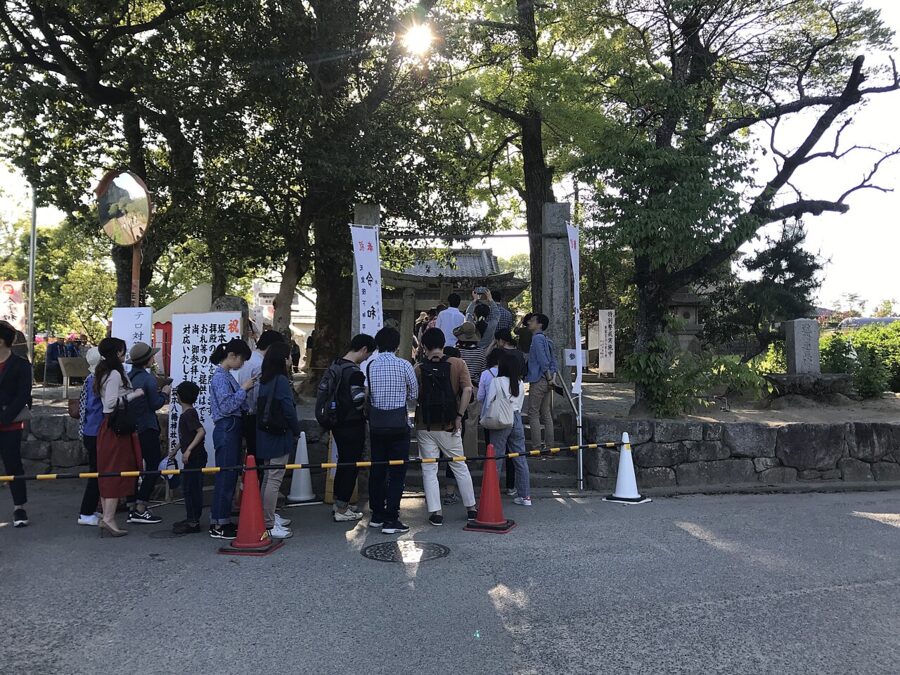
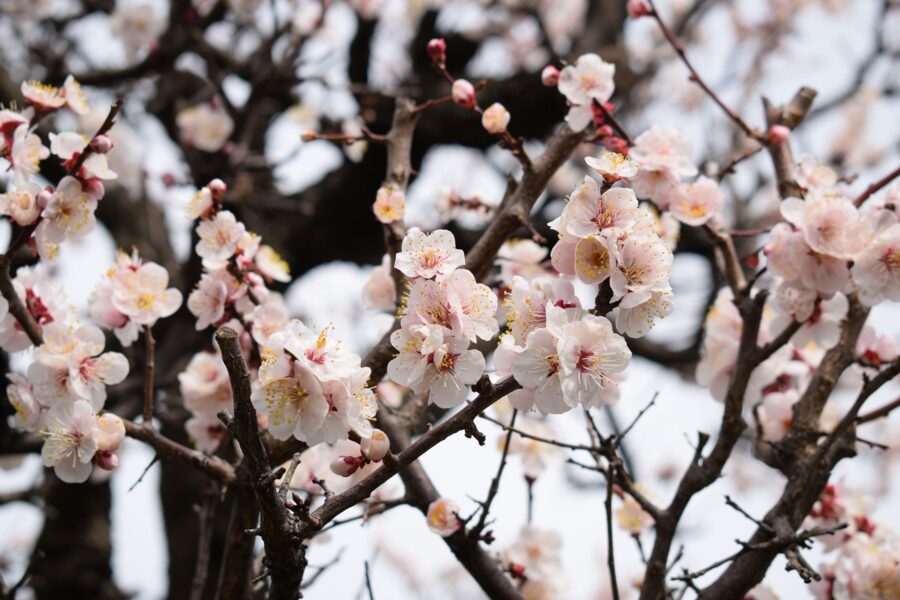
Go in late winter, when the plums are out. Dazaifu Tenmangū, the great shrine to the scholar Sugawara no Michizane a short walk away, is planted with thousands of plum trees, the way many a Japanese garden keeps a plum by the gate for the first flowers of the year.
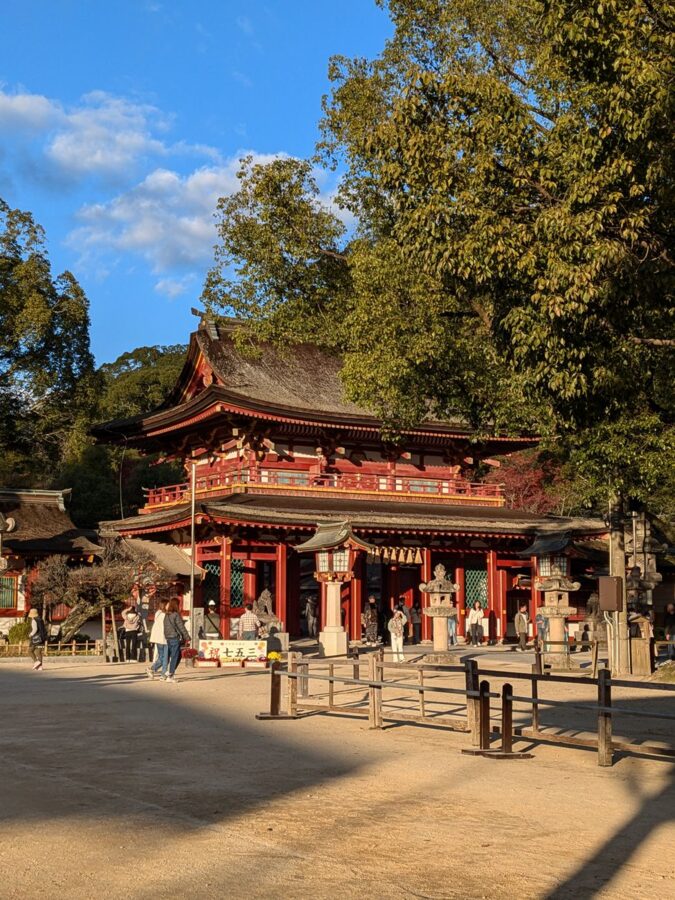
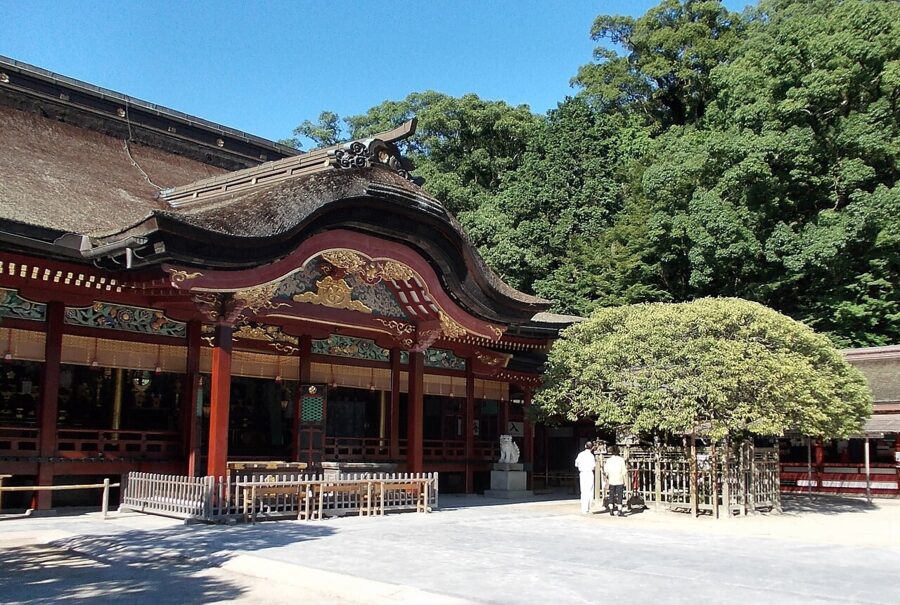
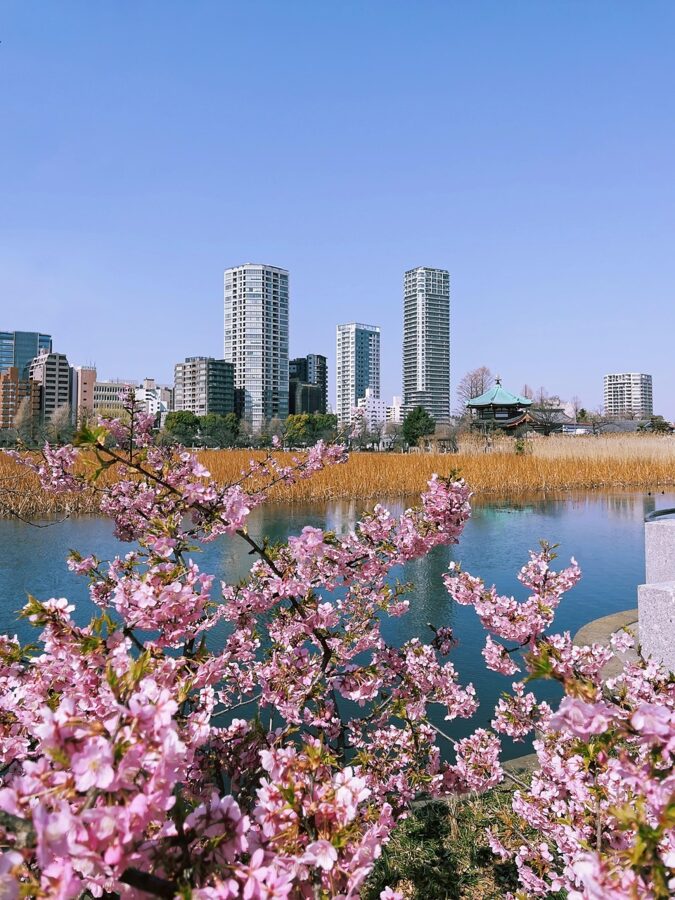
Or look in your change. Find a coin stamped 令和, and the two characters on it are the fine month and the soft wind of a party in Dazaifu nearly thirteen centuries ago, picked out of a sentence and held up on a white board at 11:41 one April morning.